Choosing a grid-tie wind system is easier when you focus on the inverter first. The right match affects voltage compatibility, power output, safety, and how smoothly your turbine ties into home energy use.
This roundup highlights 10 options for different home setups, from smaller wind projects to higher-capacity kits, so you can compare features and find a practical fit for your budget and goals.
Best 10 Grid Tie Wind Turbine Inverter for Home Picks for 2026
Best for Easy Grid Integration
300W Grid Tie Inverter for Wind Turbines

- Integrated wind inverter/controller with MPPT
- Pure sine wave output synced to the grid
- Built-in electrical and islanding protections
Best For: Homeowners with a small wind turbine who want a simple grid-connected inverter setup.
Best for Quiet Low-Wind Charging
20,000W Wind Turbine Kit for Home Use
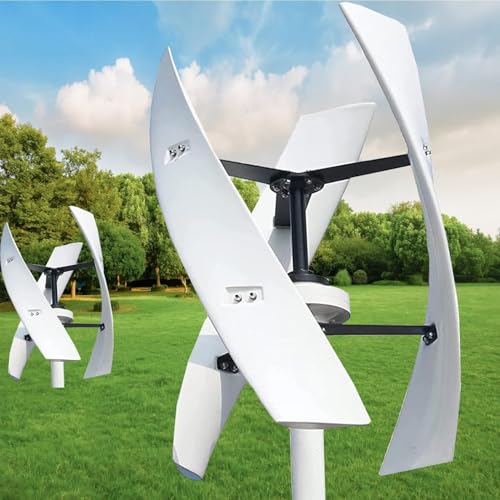
- Starts at just 2 m/s for better low-wind performance.
- Quiet 30–40 dB operation suits residential areas.
- Works across homes, cabins, boats, and small projects.
Best For: Homeowners who want a quiet wind-turbine setup that can perform in lighter winds and flexible small-scale applications.
Best for 45-90V Wind Systems

- Pure sine wave output with 1000W capacity
- LCD, WiFi/sensor support, and dump-load resistor
- 110V/220V auto-sense output with built-in protections
Best For: Home wind turbine owners with 45-90V systems who want a compact grid-tie inverter with monitoring.
Best for Off-Grid Home Hybrid Use
20,000W Vertical Axis Wind Turbine Kit
- Vertical-axis design captures wind from multiple directions
- Includes controller and DIY-friendly installation materials
- Pairs well with solar for hybrid renewable setups
Best For: Homeowners and DIY users building a hybrid wind-and-solar system for residential or mobile applications.
Best for 360° Wind Capture
Home Vertical Wind Turbine 3000W/8000W

- All-direction vertical-axis design
- Low starting wind speed
- Controller and inverter included
Best For: Homeowners building a vertical wind setup for changing winds or hybrid energy use.
Best for Easy Installation
20000W Vertical Axis Wind Turbine Kit
- Includes grid-tie inverter and controller
- Starts in low wind at 2 m/s
- Vertical-axis design suits varied mounting locations
Best For: Homeowners and DIY users who want a bundled vertical wind turbine kit for supplemental power.
Best for Easy Grid Integration – 300W Grid Tie Inverter for Wind Turbines
Solinba 300w on Grid tie Inverter for Wind Turbine 110v dc to ac Pure sine Wave (WGT3-12V-US)
Check Price On AmazonIf you want a practical grid tie wind turbine inverter for home use, this 300W unit is designed to take wind power from a small turbine and feed it into your house grid with minimal extra hardware. It’s built for straightforward hookup, pure sine wave output, and monitoring the home grid’s voltage, frequency, and phase so the inverter can sync the power it sends back.
Best For: Homeowners with a small wind turbine who want a simple, integrated inverter/controller for grid-connected power generation.
Pros:
- Integrated wind grid inverter/controller with MPPT support
- Pure sine wave output synchronized to the household grid
- Built-in protections for overcurrent, voltage, short circuit, temperature, and islanding
- Convenient setup for small residential wind systems
Cons:
- 300W output is only suitable for smaller turbines and light-duty use
- Requires the wind turbine to operate within the inverter’s rated input range
- Grid-tie setup may still need careful compatibility checks for home systems
For buyers focused on a compact, purpose-built grid tie wind turbine inverter for home applications, this model stands out for its integrated design and safety protections. It’s a good fit if you’re prioritizing simple residential wind-to-grid conversion over higher power output.
Best for Quiet Low-Wind Charging – 20,000W Wind Turbine Kit for Home Use
If you want a grid tie wind turbine inverter for home use that’s geared toward low-wind starts and quieter operation, this 20,000W kit is worth a look. It’s built around a three-phase permanent magnet generator, starts at just 2 m/s, and is designed to suit homes, cabins, boats, and other off-grid or hybrid setups where steady renewable output matters.
Best For: Homeowners or DIY buyers who want a wind-turbine-based renewable power setup for low-wind environments, light-duty residential use, or mixed application projects.
Pros:
- Starts generating at a low 2 m/s wind speed, which helps in gentler wind areas.
- Quiet 30–40 dB operation is a plus for residential and neighborhood installs.
- Durable build with galvanized aluminum alloy and reinforced composite materials.
- Versatile enough for homes, cabins, boats, street lighting, and monitoring systems.
Cons:
- Large claimed wattage may be optimistic for real-world home wind conditions.
- Installation and system matching may require extra planning for grid-tie use.
- Product details are broad, so buyers should verify inverter/controller compatibility.
Overall, this is a flexible option if you’re shopping for a grid tie wind turbine inverter for home use and care more about quiet operation and low starting wind speed than a plug-and-play kit. Just make sure the electrical components and site conditions match your actual energy goals.
Best for 45-90V Wind Systems – 1000W Wind Grid-Tie Inverter
If you need a grid tie wind turbine inverter for home use and your turbine runs in the 45-90V range, this 1000W model is built for straightforward wind-to-grid conversion with a pure sine wave output, LCD monitoring, and dump load support. It’s a practical fit for small residential wind setups where you want automatic voltage sensing and built-in protection features.
Best For: Home wind turbine owners with 45-90V 3-phase AC systems who want a 1000W grid-tie inverter with monitoring and dump-load handling.
Pros:
- Pure sine wave output with 1000W capacity for small home wind systems
- LCD plus WiFi/sensor support for easier monitoring
- Built-in dump load resistor and multiple protection features
- Wide 110V/220V auto-sense output for flexible installation
Cons:
- Only suitable for matching voltage ranges, especially 45-90V setups
- 1000W limit may be too small for larger home energy goals
- Wind-specific design is less versatile than a general solar/wind hybrid inverter
For buyers comparing a grid tie wind turbine inverter for home use, this one stands out for its wind-focused features and monitoring extras rather than raw power. It makes the most sense if your turbine voltage and output are already aligned with the inverter’s operating range.
Best High-Capacity Kit – 20,000W Vertical Axis Wind Turbine Kit
If you want a grid tie wind turbine inverter for home use with serious output potential, this 20,000W vertical-axis kit is aimed at larger off-grid or grid-connected setups. It includes an inverter and controller, so it’s built for buyers who want a more complete renewable energy package rather than a bare turbine.
Best For: Homeowners planning a higher-capacity wind setup who want a bundled turbine, inverter, and controller package for grid-tied power planning.
Pros:
- High advertised 20,000W capacity for ambitious energy projects
- Vertical-axis design can be a practical fit for varied wind conditions
- Includes inverter and controller in one kit
- 220V output suits larger residential power needs
Cons:
- Likely more system complexity than a plug-and-play home backup option
- May be oversized for small homes or modest energy goals
- Grid-tie installations typically require careful planning and compliance
This is a strong fit if you’re sizing up a wind system and want a bundled package rather than piecing components together. For buyers comparing a grid tie wind turbine inverter for home use, the main appeal is capacity and completeness, not simplicity.
Best for Compact Turbine Setups – Maglev Vertical Wind Generator with 8000W Grid Tie Inverter
If you want a grid tie wind turbine inverter for home use and need something that emphasizes compact sizing, quiet operation, and a wide wind range, this Maglev vertical wind generator is worth a closer look. It is designed to fit tighter spaces while still aiming to produce usable power in changing wind conditions.
Best For: Homeowners who want a space-saving vertical turbine paired with an on-grid inverter for practical small-scale energy production.
Pros:
- Compact rotation radius helps it fit where larger turbines may be impractical.
- Quiet coreless generator design is better suited to residential settings.
- Wide operating wind speed range supports energy capture in variable conditions.
- Curved blades and stable frame are built to improve durability and output.
Cons:
- Real-world performance will depend heavily on local wind conditions and mounting height.
- 8000W claims should be reviewed carefully against your actual site and system needs.
- Best results may require proper installation and compatible grid-tie planning.
This is a solid fit if you want a grid tie wind turbine inverter for home use with a smaller footprint and quieter profile than many traditional options. It makes the most sense for buyers prioritizing space efficiency and residential-friendly operation over raw-size systems.
Best for Vertical-Axis Setups – 20,000W Vertical Axis Wind Turbine Kit
If you’re comparing a grid tie wind turbine inverter for home use, this vertical-axis kit stands out for its high advertised output, low-start wind performance, and included controller/inverter setup. It’s aimed at buyers who want a more flexible renewable-energy add-on for cabins, homes, boats, or off-grid structures, especially where wind direction changes often.
Best For: DIY buyers who want a vertical-axis wind turbine kit with grid-tie components for home, cabin, or mixed solar-wind systems.
Pros:
- Vertical-axis design can better handle shifting wind direction
- Starts at low wind speeds, which helps in lighter wind areas
- Includes controller/inverter components for a more complete setup
- Easy-to-install kit is practical for DIY-minded buyers
Cons:
- Output claims are high, so real-world performance may vary
- Not the simplest choice if you only need a plug-and-play solution
- May require careful system matching for safe grid-tie use
For shoppers shopping for a grid tie wind turbine inverter for home energy support, this kit makes the most sense when you want a versatile vertical-axis design and don’t mind verifying compatibility before installation. It’s more of a project-friendly renewable-energy system than a casual add-on.
Best for High-Power Off-Grid Homes – Vertical Wind Turbine Generator 8000W
If you’re comparing a grid tie wind turbine inverter for home use and want a higher-capacity option, this 8000W vertical wind turbine is built for bigger energy ambitions. It combines a compact footprint, a wide wind-speed operating range, and an included on-grid tie inverter setup for households looking to offset electricity use with wind power.
Best For: Homeowners with enough wind exposure who want a high-output turbine for grid-tied or hybrid renewable setups.
Pros:
- 8000W rated output with up to 8500W max power for serious generation potential
- Starts at very low wind speeds and covers a wide 2.5 to 25 m/s operating range
- Vertical design with a smaller rotation radius helps save space
- Quiet operation is better suited to residential settings than noisy alternatives
Cons:
- Requires proper wind conditions to come close to advertised output
- Installation and grid integration may be more involved than a plug-and-play home kit
- Product details are somewhat technical, so it may not suit first-time buyers
For buyers specifically shopping a grid tie wind turbine inverter for home, this model stands out for its large wattage rating and space-saving vertical format, but real-world performance will depend heavily on site wind quality and correct system setup.
Best for Off-Grid Home Hybrid Use – 20,000W Vertical Axis Wind Turbine Kit
If you’re comparing a grid tie wind turbine inverter for home use, this 20,000W vertical-axis kit stands out for buyers who want a simple wind-and-solar style setup with broad application potential. Its compact VAWT design, included controller, and all-in-one installation materials make it a practical option for cabins, small properties, boats, and backup power projects where easy installation matters.
Best For: Homeowners and DIY users who want a vertical-axis wind turbine kit that can support hybrid renewable setups and general residential or mobile use.
Pros:
- Vertical-axis design can capture wind from multiple directions without yaw adjustments.
- Includes controller and installation materials for a more complete DIY-ready kit.
- Nylon fiber blades are designed for durability across a wide temperature range.
- Can complement solar panels for hybrid renewable energy projects.
Cons:
- Real-world output will vary significantly with local wind conditions.
- 20,000W claims should be evaluated carefully against site, tower height, and controller specs.
- May be more than needed for buyers seeking a simple plug-and-play home solution.
Overall, this is a flexible-looking choice if you want a grid tie wind turbine inverter for home projects and prefer a vertical turbine that’s geared toward easier installation and mixed-use applications rather than a purely utility-style system.
Best for 360° Wind Capture – Home Vertical Wind Turbine 3000W/8000W
If you’re shopping for a grid tie wind turbine inverter for home use, this vertical-axis kit stands out for its all-direction wind capture, low starting wind speed, and built-in controller/inverter support. It’s a practical fit for buyers who want a home wind setup that can work with changing wind directions without constant re-aiming.
Best For: Homeowners who want a vertical wind turbine for mixed wind conditions, off-grid charging, or a small hybrid wind-and-solar setup.
Pros:
- 360-degree vertical design works without tracking wind direction
- Low starting wind speed helps it begin generating earlier
- Permanent magnet generator and controller support efficient power handling
- Safety-focused blade design with lower maintenance needs
Cons:
- Big power claims may be optimistic in real-world residential wind conditions
- Requires proper mounting and a suitable tower for best results
- May be more than casual buyers need for basic backup charging
As a grid tie wind turbine inverter for home projects, this model makes the most sense when you have a consistent breeze, room for a proper install, and realistic expectations about output. It’s better suited to enthusiasts and hybrid energy users than to anyone expecting plug-and-play household power.
Best for Easy Installation – 20000W Vertical Axis Wind Turbine Kit
If you want a grid tie wind turbine inverter for home use, this vertical-axis kit is aimed at buyers who value simple setup, broad voltage compatibility, and low-wind starting performance. It’s designed to slot into a small renewable-energy setup for backup charging or supplemental power, rather than as a no-fuss plug-and-play utility replacement.
Best For: Homeowners, DIY installers, and off-grid users looking for a vertical wind turbine kit that includes a grid-tie inverter and controller.
Pros:
- Includes the grid-tie inverter and controller needed for a more complete setup
- Starts in light wind, with a claimed 2 m/s starting wind speed
- Vertical-axis design can be easier to position in varied environments
- Wide voltage options support different home and backup-power configurations
Cons:
- Large claimed wattage may be optimistic for real-world home wind conditions
- Best results still depend heavily on proper mounting height and local wind quality
- Not a simple set-and-forget solution for grid-tied home power
As a package, this is more appealing for buyers who want the components bundled together than for those expecting a turnkey grid tie wind turbine inverter for home installation. If your site gets usable wind and you’re comfortable with DIY planning, it offers a practical starting point for a small renewable-energy system.
How We Picked the Best Grid Tie Wind Turbine Inverter for Home
We looked for products that are relevant to a Grid Tie Wind Turbine Inverter for Home setup, with attention to output rating, input voltage range, controller inclusion, and whether the system is positioned for practical residential use. We also favored listings that clearly indicate grid-tie support, since compatibility matters more than raw wattage alone.
Quick Comparison: What Matters Most
For home wind projects, the most useful comparison points are not just wattage. Check whether the inverter matches your turbine type, whether it supports single-phase or three-phase input, and whether the kit includes a controller or dump load handling. Higher wattage can be helpful, but only if your turbine, wiring, and site conditions can support it.
Key Buying Factors for a Grid Tie Wind Turbine Inverter for Home
Input Voltage and Turbine Match
Make sure the inverter’s DC input range matches your turbine output. A mismatch can reduce efficiency or prevent the system from operating safely. This is especially important with 12V, 24V, and wider-range wind systems.
Pure Sine Wave and Power Quality
Pure sine wave output is generally preferred for cleaner power conversion and better compatibility with home electrical systems. If your setup includes sensitive electronics or you want more stable output behavior, this is worth prioritizing.
Grid-Tie Support and Protection Features
A true grid-tie setup should include the protections and operating logic needed to synchronize appropriately with household power use. Look for overload protection, controller support, and dump load or braking features where applicable to wind applications.
Controller, Sensor, and Kit Completeness
Some buyers only need the inverter, while others benefit from an all-in-one kit with controller and monitoring components. A more complete package can simplify setup, but only if the included parts are properly rated for your turbine.
Who Should Buy Which Grid Tie Wind Turbine Inverter for Home?
If you are building a smaller residential project, a lower-wattage inverter may be the most sensible choice, especially if you want to test site performance before scaling up. For larger properties or off-grid-to-grid hybrid plans, high-wattage kits can offer more headroom, but they also require careful sizing, stronger mounting, and a more serious installation plan.
In general, the best choice is the one that matches your turbine output, local installation conditions, and long-term energy goals. For a Grid Tie Wind Turbine Inverter for Home use, compatibility and system balance matter more than chasing the biggest watt number.