Choosing a level 2 ev charger with solar integration can make home charging more efficient, especially if you want to use more of your own solar power and less grid electricity.
Below, we focus on practical features that matter most: solar-aware charging, load management, smart controls, and installation flexibility.
Best 10 Level 2 Ev Charger with Solar Integration Picks for 2026
Best for Solar Integration
Smart Level 2 EV Charger, 40A Wi‑Fi

- 3 solar charging modes with app-based energy tracking
- 40A plug-in Level 2 charging for faster home charging
- OCPP-ready, Wi‑Fi enabled, and weatherproof for indoor/outdoor use
Best For: Homeowners who want smart, solar-aware EV charging with flexible installation and future-proof connectivity.
Best for Fast Smart Charging
Autel MaxiCharger 80A Level 2 EV Charger

- Up to 80A / 19.2 kW for rapid home charging
- AI app scheduling and remote charging controls
- Hardwired J1772 charger with CSA/UL certification
Best For: Drivers who want a fast, app-controlled Level 2 charger for home or light commercial use.
Best for Solar-Ready Smart Charging
Splitvolt Smart EV Charging Station
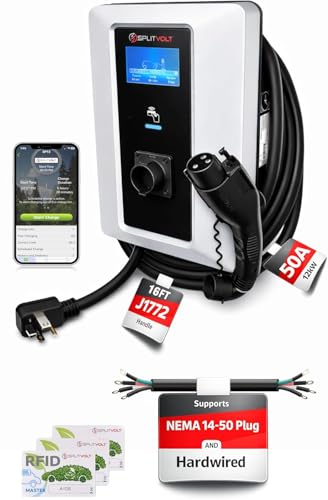
- Adjustable 8A–50A output for flexible charging
- OCPP, RFID, and scheduling for smarter control
- Indoor/outdoor rated with plug-in or hardwired install
Best For: Homeowners wanting a flexible, solar-ready smart charger with advanced control features.
Best for Solar-Powered Charging

- Three solar charging modes for cleaner, lower-cost charging
- Active load management helps avoid electrical panel upgrades
- 50A hardwired, app-controlled charger with OCPP support
Best For: Homeowners with solar who want smart, hardwired Level 2 charging and energy management.
Best for Solar Homes
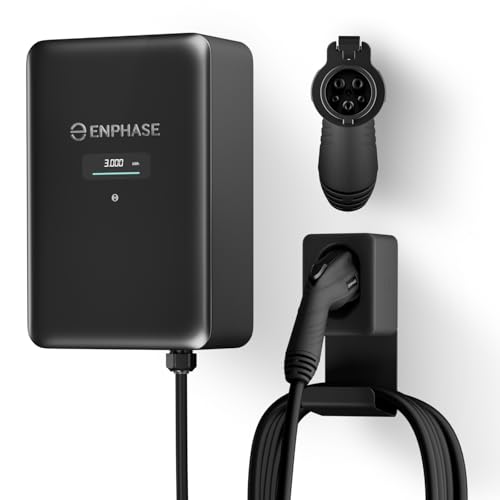
- Solar-aware charging for homes with rooftop PV
- Up to 9.6 kW fast Level 2 charging
- Revenue-grade metering and 5-year warranty
Best For: Homeowners with Enphase solar or buyers who want smarter charging that can use more of their own solar power.
Best for Solar-Aware Home Energy Management

- 48A charging with PowerSmart load balancing
- Emporia app with scheduling and usage tracking
- Included Vue adds whole-home energy monitoring
Best For: Homeowners who want fast charging plus smarter energy awareness and load balancing.
Best Smart App Pick
ChargePoint HomeFlex Level 2 EV Charger

- 50A Level 2 charging on a 240V circuit
- ChargePoint app adds scheduling and charge tracking
- UL-certified, indoor/outdoor-ready design with 23-foot cable
Best For: Drivers who want a reliable app-controlled home charger with flexible installation.
Best Heavy-Duty Pick

- WiFi app supports scheduling and energy monitoring
- Up to 48A hardwired or 40A via NEMA 14-50
- UL listed, ENERGY STAR certified, and J1772 compatible
Best For: EV drivers who want fast home charging with smart scheduling for solar or off-peak power.
Best for High-Power Hardwired Charging
Level 2 EV Charger 48A WiFi Smart Control

- 48A hardwired output for fast home charging
- App-based scheduling and current adjustment
- IP65/NEMA 4 build with 25 ft cable
Best For: Homeowners who want a fast, hardwired J1772 charger with WiFi control and outdoor durability.
Best for Solar Integration – Smart Level 2 EV Charger, 40A Wi‑Fi
If you want a level 2 ev charger with solar integration that can actually fit into a smart home setup, this ELECQ unit is a strong pick. It adds 40A charging, app control, and three solar charging modes, so you can prioritize cleaner energy use while still keeping daily charging convenient.
Best For: Homeowners who want app-controlled Level 2 charging with solar-aware energy management and future-proof OCPP support.
Pros:
- Supports solar charging modes plus real-time grid/solar energy tracking in the app
- 40A output with a NEMA 14-50 plug makes setup easier than a hardwired-only unit
- Wi‑Fi, Bluetooth, and OCPP 1.6/2.0.1 support improve smart-home flexibility
- CSA certified, UL compliant, weatherproof, and surge-protected for indoor/outdoor use
Cons:
- Full dynamic load balancing requires the separate ELECQ Power Monitor
- Solar features depend on app setup and compatible home energy data
- Plug-in format is convenient, but hardwiring may be better for some installations
Overall, this is a practical level 2 ev charger with solar integration for buyers who want charging speed, smart controls, and a path to energy optimization without locking themselves into a rigid setup. It stands out most for homes that already care about solar usage, load management, and long-term software compatibility.
Best for Fast Smart Charging – Autel MaxiCharger 80A Level 2 EV Charger
If you want a level 2 ev charger with solar integration-ready smart controls, the Autel MaxiCharger stands out for its AI app scheduling, adjustable amperage, and high-output 80A hardwired design. It’s built for drivers who want faster overnight charging, remote management, and a charger that can adapt to time-of-use rates or future energy setups.
Best For: Homeowners and light commercial users who want a high-power, app-connected charger with flexible charging control and reliable hardwired installation.
Pros:
- Up to 80A / 19.2 kW output for very fast Level 2 charging
- AI-powered app features for scheduling, monitoring, and remote control
- Hardwired, CSA/UL certified, and rebate-ready for cleaner installs
- Universal J1772 cable works with most EVs and PHEVs in North America
Cons:
- Requires professional hardwired installation and a 100A circuit for full output
- No native solar control features are listed, so integration may depend on your broader energy system
As a level 2 ev charger with solar integration considerations, this model makes the most sense if you value smart scheduling and load control more than built-in solar software. Its real strength is fast, reliable charging with app-based management that can fit well into a home energy setup.
Best for Solar-Ready Smart Charging – Splitvolt Smart EV Charging Station
Splitvolt’s Level 2 unit is a practical pick if you want a level 2 ev charger with solar integration plus scheduling, RFID access, and adjustable output. It supports either plug-in use with a NEMA 14-50 outlet or a hardwired install, and the OCPP compatibility makes it a better fit for more advanced home or shared-energy setups than a basic charger.
Best For: Homeowners who want a flexible, smart charger that can work with solar or grid-based energy management and still be easy to install.
Pros:
- Adjustable charging from 8A to 50A for different electrical setups
- OCPP compatible with scheduling, RFID, and power-sharing support
- Weather-resistant design for indoor or outdoor installation
- Plug-in or hardwired configuration adds installation flexibility
Cons:
- Tesla drivers need an adapter
- Solar integration is system-level compatible, not a built-in solar controller
- Advanced features may be more than casual users need
For buyers comparing a level 2 ev charger with solar integration, Splitvolt stands out for smart controls and installation flexibility rather than flashy extras. It makes the most sense if you want a charger that can fit into a broader energy-management setup and still deliver dependable everyday charging.
Best for Solar-Powered Charging – ELECQ 50A Level 2 EV Charger
If you want a level 2 ev charger with solar integration that goes beyond basic home charging, the ELECQ is built around energy management. Its 50A hardwired design, app-based current control, and three solar charging modes make it a strong fit for households trying to balance EV charging with rooftop solar and whole-home electrical limits.
Best For: EV owners who want smart solar-aware charging, load balancing, and a future-proof hardwired setup.
Pros:
- Three solar charging modes help prioritize clean energy use and lower charging costs.
- Active load management can reduce the need for an expensive panel upgrade.
- 50A hardwired output and J1772 compatibility suit most North American EVs.
- Wi-Fi, Bluetooth, and OCPP support add app control and long-term flexibility.
Cons:
- Hardwired installation means it’s not the easiest plug-and-play option.
- Tesla drivers will need an adapter for the J1772 connector.
- Full load-balancing features require the separate Elecq Power Monitor.
This is a compelling pick if your main goal is a level 2 ev charger with solar integration and smarter home energy control. It stands out more for its solar-aware features and load balancing than for being the simplest charger to install.
Best for Solar Homes – Enphase IQ EV Charger 2
The Enphase IQ EV Charger 2 is a strong pick if you want a level 2 ev charger with solar integration that can prioritize clean energy from your home system. It delivers up to 9.6 kW on a 40A circuit, adds app-based smart charging modes, and includes utility-friendly metering for rebate programs.
Best For: Homeowners with Enphase solar or anyone who wants a smart, utility-ready charger that can make better use of rooftop solar.
Pros:
- Solar integration helps you charge with more of your own clean energy
- Up to 9.6 kW charging with smart app control and RFID access
- Revenue-grade metering may support utility rebate eligibility
- UL and Energy Star certification with a 5-year warranty
Cons:
- Most compelling if you already use or plan to use Enphase solar
- Hardwired-style smart charger, so installation may require an electrician
- Price may be higher than basic non-connected Level 2 options
For buyers looking specifically for a level 2 ev charger with solar integration, this Enphase model stands out for pairing fast charging with energy-aware controls and a durable, rebate-friendly feature set.
Best for Solar-Aware Home Energy Management – Emporia Pro 48A EV Charger
The EMPORIA Pro stands out if you want a level 2 ev charger with solar integration-style energy awareness, because its PowerSmart load balancing helps you charge at top speed without necessarily forcing a service upgrade. Pair that with app-based scheduling and the included Emporia Vue, and you get a charger built for homeowners who want to make smarter use of available power.
Best For: Drivers who want a fast 48-amp home charger with load balancing, usage tracking, and stronger whole-home energy visibility.
Pros:
- 48A charging with PowerSmart load balancing can help avoid a panel upgrade.
- Emporia app supports scheduling, real-time tracking, and lower-cost off-peak charging.
- Included Vue adds whole-home energy monitoring for smarter charging decisions.
- Flexible install options with NEMA 14-50 plug or hardwired setup.
Cons:
- Solar users will still want to confirm how it fits into their specific energy setup.
- Install complexity may be higher if you choose hardwired setup.
- J1772 means Tesla owners need an adapter.
Overall, this is a strong pick for shoppers who want a level 2 ev charger with solar integration-minded energy management rather than just raw charging speed. It’s especially appealing if you value monitoring, scheduling, and load balancing in one home charging package.
Best for Smart Solar Scheduling – EVIQO 48A Level 2 EV Charger
If you want a level 2 ev charger with solar integration-style scheduling and remote control, the EVIQO is a strong pick for homeowners who care about charging flexibility. It supports 6-48A current settings, app-based start/stop control, and charging timers that can help line up sessions with off-peak or solar-heavy hours.
Best For: EV owners who want a hardwired, weatherproof 48A charger with smart app control and easy schedule-based charging management.
Pros:
- 48A hardwired output on a dedicated 60A/240V circuit for fast Level 2 charging
- WiFi app control with current adjustment, scheduling, and charging data tracking
- IP66/NEMA 4 weatherproof design for indoor or outdoor installation
- Extra-long 25ft cable and fluorescent holster make daily use more convenient
Cons:
- Requires professional hardwired installation, so setup is not plug-and-play
- Smart features need 2.4GHz WiFi to work properly
- J1772 connector means Tesla drivers need an adapter
For buyers comparing a level 2 ev charger with solar integration, EVIQO stands out more for smart scheduling and controllable amperage than for direct solar hardware links. That still makes it a practical choice if you want to time charging around your solar production or utility rates without paying for a more complex setup.
Best Smart App Pick – ChargePoint HomeFlex Level 2 EV Charger
If you want a dependable level 2 ev charger with solar integration-friendly smart controls, the ChargePoint HomeFlex is a strong home-charging option. It delivers up to 50 amps on a 240V circuit, works with the ChargePoint app for scheduling and charge tracking, and can be installed indoors or outdoors by a qualified electrician.
Best For: EV owners who want a reliable J1772 charger with app-based control and flexible home installation.
Pros:
- Up to 45 miles of range per hour, depending on vehicle and circuit setup
- Smart app features for reminders, charging data, and connected controls
- UL-certified, ENERGY STAR listed, and suitable for indoor or outdoor use
- 23-foot cable and NEMA 14-50 plug for flexible placement
Cons:
- Requires a proper 240V outlet or electrician-installed circuit
- Solar integration depends on your broader home energy setup, not built-in PV management
- Tesla drivers need an adapter
Overall, the HomeFlex stands out for shoppers who value app-driven convenience and trusted hardware more than advanced energy hardware features. For a level 2 ev charger with solar integration, it makes the most sense if your solar system is paired with smart home or utility controls that can manage when charging happens.
Best Heavy-Duty Pick – Emporia 48A WiFi EV Charger
If you want a level 2 ev charger with solar integration, the Emporia is a strong fit thanks to its WiFi app control, real-time energy monitoring, and flexible scheduling. It can run at up to 48A when hardwired, or 40A with the included NEMA 14-50 plug setup, making it a practical option for homes that want fast charging plus smarter energy management.
Best For: EV owners who want app-based charging control and a charger that can pair well with solar-aware energy management.
Pros:
- WiFi-connected app lets you schedule sessions and track charging data
- Fast 240V charging with up to 48A hardwired or 40A plug-in operation
- J1772 connector works with most EVs sold in North America
- UL listed and ENERGY STAR certified for added peace of mind
Cons:
- Hardwiring and full-speed operation may require professional installation
- Solar integration is more about smart load planning than direct solar hardware control
Overall, this is a well-rounded level 2 ev charger with solar integration potential if your priority is timing charging around solar production or utility rates. It’s not the most specialized solar charger, but for shoppers who want a reliable, connected home EVSE with strong specs, it makes a lot of sense.
Best for High-Power Hardwired Charging – Level 2 EV Charger 48A WiFi Smart Control
If you want a level 2 ev charger with solar integration potential through smart scheduling and adjustable amperage, this 48A hardwired station is built for fast home charging with more control over when and how it pulls power. It supports app-based current adjustment, charging timers, and real-time monitoring, which can help you line up charging with solar production or lower-rate utility windows.
Best For: Homeowners who want a fast, hardwired J1772 charger with WiFi control, flexible amperage, and outdoor-ready durability.
Pros:
- Up to 48A / 11.5kW charging for quick overnight top-ups
- WiFi app control with scheduled charging and current adjustment
- IP65/NEMA 4 enclosure and 25 ft cable for indoor/outdoor use
Cons:
- Requires hardwired installation on a dedicated circuit
- Solar integration is indirect, not native vehicle-to-home or ESS control
- Tesla drivers need a separate J1772 adapter
This is a strong fit if you want a level 2 ev charger with solar integration-friendly scheduling rather than a true smart-energy hub. Its high output, app controls, and weatherproof build make it practical for households that charge regularly and want better timing around solar or off-peak rates.
How We Picked the Best Level 2 Ev Charger with Solar Integration
We prioritized chargers that support solar-aware operation, smart scheduling, load balancing, and common home installation options. We also looked for strong safety certifications, reliable app control, and compatibility with a wide range of EVs through J1772 or similar connectors.
Because solar integration can mean different things on different products, we favored models that can either respond to solar surplus directly or work well with home energy management systems. That makes them a better fit for buyers who want a Level 2 Ev Charger with Solar Integration rather than just a fast wall charger.
Quick Comparison
In this group, plug-in models are usually easier to install, while hardwired units can offer a cleaner, more permanent setup and often higher amperage. Wi-Fi-enabled chargers tend to offer better scheduling and energy monitoring, and RFID or access control can be useful for shared driveways, rentals, or multi-user homes.
If your solar system already has an energy platform or smart home ecosystem, check whether the charger can communicate with it directly or via load management features. That connection is often the difference between basic charging and truly optimized solar charging.
Key Buying Factors for a Level 2 Ev Charger with Solar Integration
Solar and Energy Management Features
Look for solar charging modes, active load management, or compatibility with energy monitoring apps. These features help shift charging to times when your solar production is highest.
Charging Speed and Amperage
Higher amperage can reduce charging time, but only if your vehicle and home electrical service can support it. Many homes do well with 40A to 48A chargers, while some installations may justify higher output.
Installation Type
Decide between plug-in and hardwired units. Plug-in chargers are simpler to move or replace, while hardwired chargers are often preferred for long-term installations and higher power delivery.
Smart Controls and Compatibility
App scheduling, Wi-Fi, OCPP support, and RFID access can improve usability. For solar-focused buyers, software flexibility matters almost as much as raw charging speed.
Cable Length and Placement
A longer cable can make daily use easier, especially if your parking position is not fixed. Weather resistance is also important for outdoor installs.
Who Should Buy Which Level 2 Ev Charger with Solar Integration?
If you want the most efficient solar-first setup, choose a charger with solar modes or strong load management. If you mainly want convenience and broad compatibility, a smart 48A plug-in or hardwired model may be the best fit. If multiple drivers will use the charger, look for RFID, user controls, or robust scheduling.
Homeowners with a dedicated garage circuit may prefer a hardwired option for a cleaner installation, while renters or anyone expecting to move may benefit from a plug-in model. In short, pick the charger that matches your electrical setup, solar system, and day-to-day charging habits—not just the highest wattage on the box.