Looking for a quieter way to generate home power? A vertical-axis turbine can be a practical option for rooftops, yards, cabins, and off-grid setups when space is limited.
This roundup focuses on models that balance low noise, residential-friendly operation, and useful features like controllers, voltage options, and portability.
Best 10 Quiet Vertical Wind Turbine for Residential Use Picks for 2026
Best for Small Residential Setups
Quiet Vertical Wind Turbine Kit

- Compact vertical design for tighter spaces
- Controller included for a more complete setup
- Portable and DIY-friendly for small projects
Best For: Homeowners who want a compact vertical wind turbine for small-scale residential power projects.
Best for Low-Noise Operation
10,000W Vertical Magnetic Levitation Turbine

- Very low-noise vertical-axis design for residential settings
- Starts at lower wind speeds for earlier power generation
- Magnetic levitation generator and fiberglass blades for smoother running
Best For: Homeowners seeking a quieter vertical turbine for residential or backup power projects.
Best for Higher Output
20000W Vertical Wind Turbine Generator

- 10-blade lightweight design for lower-noise operation
- Low 1.5 m/s start wind speed claim
- Permanent magnet rotor with copper winding stator
Best For: Homeowners and off-grid buyers who want a compact vertical turbine with higher-output ambitions.
Best for Everyday Use
18,000W Vertical Wind Turbine Kit

- Dual bearings help reduce vibration and noise.
- Captures wind from multiple directions for flexible placement.
- One-piece blade design adds a safety-focused build.
Best For: Homeowners and cabin users looking for a quieter supplemental wind power option.
Best for Multi-Voltage Homes
18,000W Silent Vertical Wind Turbine

- Supports 12V, 24V, 48V, and 220V setups
- Low starting wind speed for lighter breezes
- Includes controller for easier home integration
Best For: Homeowners and off-grid users who need a flexible vertical wind turbine for mixed-voltage installations.
Best for Low-Start Wind Capture
Portable Vertical Wind Turbine Generator Kit
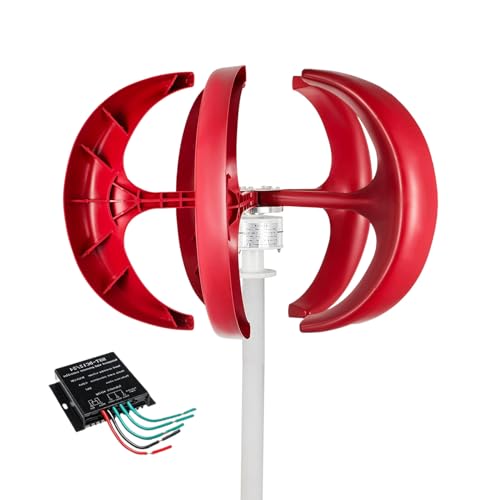
- Starts in lighter winds with a 2 m/s threshold
- 5-blade vertical design works with 360° wind
- Includes controller and multiple voltage options
Best For: Homeowners and off-grid users seeking a quiet, compact vertical turbine for supplemental power.
Best for Low Wind Starts
18000W Quiet Vertical Wind Turbine
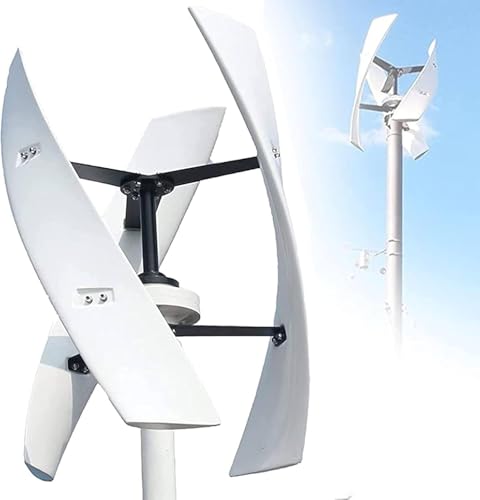
- Starts at 2m/s for light-breeze operation
- Vertical 3-blade design with automatic wind-angle adjustment
- 12V/24V/48V/220V options for flexible setups
Best For: Homes, cabins, and off-grid buyers who want a quiet, low-start-speed turbine.
Best for 360° Wind Capture
Quiet Vertical Wind Turbine Generator Kit
- Vertical 5-blade design works without a yaw system.
- Starts at just 2 m/s for better light-wind use.
- Controller included for a more complete setup.
Best For: Homeowners and off-grid buyers who need a compact turbine that handles changing wind directions.
Best for Small Residential Setups – Quiet Vertical Wind Turbine Kit
If you want a quiet vertical wind turbine for residential use, this kit is geared toward homeowners who need a compact, low-profile way to explore wind power without a bulky rooftop setup. It’s a practical fit for off-grid projects, backup charging, or supplementing a small renewable system.
Best For: Homeowners and DIY users who want a portable vertical-axis turbine for small-scale residential power projects.
Pros:
- Vertical design is better suited to tighter spaces and varied wind direction
- Includes a controller for a more complete home-power setup
- Portable format makes it easier to move, test, or reposition
- Eco-friendly option for experimenting with renewable energy at home
Cons:
- Better suited to supplemental power than full home energy needs
- Performance will depend heavily on local wind conditions
- May require DIY installation and system matching
Overall, this is a sensible pick if you’re comparing a quiet vertical wind turbine for residential use and want something compact, controller-ready, and easier to integrate into a small household energy plan.
Best for Low-Noise Operation – 10,000W Vertical Magnetic Levitation Turbine
If you want a quiet vertical wind turbine for residential use, this model is built around low-noise vertical-axis operation, low starting wind speed, and a compact profile that can fit a range of home setups. It’s aimed at buyers who care more about smooth running and broad wind capture than a traditional horizontal-blade design.
Best For: Homeowners who want a low-noise vertical turbine with strong starting efficiency and a durable build for off-grid or backup power projects.
Pros:
- Designed for very low noise, making it more suitable for residential areas
- Starts generating at lower wind speeds thanks to its compact vertical design
- Magnetic levitation generator, double bearings, and fiberglass blades support smoother operation
- Includes automatic braking at 300 rpm for added protection
Cons:
- Claims are ambitious, so real-world output may vary by wind conditions
- Large wattage ratings can be misleading without a well-matched system and site
- Installation and mounting requirements may be more involved than expected
For shoppers comparing a quiet vertical wind turbine for residential use, this unit stands out more for noise control and low-wind responsiveness than for proven household-scale power output. It makes the most sense if you’re prioritizing a calmer, more compact turbine for experimental, backup, or light home-energy applications.
Best for Quiet Operation – 20,000W Vertical Axis Wind Turbine Kit
If you want a quiet vertical wind turbine for residential use, this kit is aimed at buyers who need low-noise backup power with straightforward installation and grid-tied compatibility. It’s designed to start in light winds, work with an inverter/controller setup, and fit a range of small-scale home or off-grid projects.
Best For: Homeowners, cabins, and mobile homes that want a quieter wind option for supplemental energy and hybrid solar setups.
Pros:
- Quiet 30–40 dB operation suits residential settings
- Starts generating in low wind conditions around 2 m/s
- Includes inverter and controller for grid-tied use
- Durable blade materials and all-in-one installation hardware
Cons:
- Large 20,000W rating may be optimistic for real-world home output
- Requires proper mounting height and site conditions to perform well
- May be more complex than a simple plug-and-play residential kit
This is a practical pick if your priority is a quiet vertical wind turbine for residential use and you want a system that can complement solar or serve as a supplemental renewable source. The noise rating and low-wind startup are the main selling points, while the big-watt marketing number should be viewed with realistic expectations.
Best for Small Spaces – High Efficiency 3-Blade Vertical Wind Turbine
If you want a quiet vertical wind turbine for residential use, this 3-blade model is built around low-noise operation, smooth rotation, and a compact vertical form factor. It’s aimed at homeowners who want to experiment with small-scale renewable power while keeping vibration and sound to a minimum.
Best For: Homeowners, off-grid setups, and residential buyers who want a quieter vertical turbine with low-wind-start performance.
Pros:
- Low-noise design helps reduce disturbance around the home
- Vertical, compact build is better suited to tighter residential spaces
- Designed to start generating power at lower wind speeds
- Double bearings and low vibration support smoother operation
Cons:
- Output claims are highly dependent on wind conditions and setup
- Residential installation may still require mounting hardware and planning
- Not a plug-and-play backup power solution for most homes
This is a practical pick if noise and stability matter more than chasing maximum output. For shoppers prioritizing a quiet vertical wind turbine for residential use, its low-start design and reduced vibration make it more appealing than louder, more aggressive alternatives.
Best for Higher Output – 20000W Vertical Wind Turbine Generator
If you want a quiet vertical wind turbine for residential use with a focus on higher output potential, this 48V vertical-axis kit is built around a permanent magnet rotor, copper winding stator, and lightweight 10-blade design. It is aimed at homeowners who want a renewable-energy setup that can run in a variety of low- to moderate-wind locations, though real-world performance will depend heavily on local wind conditions and installation quality.
Best For: Homeowners, cabin owners, and off-grid users who want a vertical turbine platform with low start-up wind claims and a compact, multi-use footprint.
Pros:
- Lightweight 10-blade design is promoted for reduced noise and smoother operation.
- Low stated start wind speed of 1.5 m/s may help in gentler breeze conditions.
- Permanent magnet rotor and copper winding stator are designed for efficient energy conversion.
- Versatile enough for homes, cabins, boats, pavilions, and mobile homes.
Cons:
- Large power claims may be optimistic without strong, consistent wind.
- Needs proper controller/inverter setup and careful installation to perform well.
- Not a plug-and-play residential solution for buyers expecting near-silent operation in all conditions.
This is a reasonable option to consider if you need a quiet vertical wind turbine for residential use and value a lightweight blade layout with broad application potential. It makes the most sense for buyers who are comfortable managing a more technical renewable-energy system rather than a simple backyard appliance.
Best for Everyday Use – 18,000W Vertical Wind Turbine Kit
If you want a quiet vertical wind turbine for residential use, this 12V vertical wind kit stands out for low-vibration operation, all-direction wind capture, and a safety-focused blade design. It’s aimed at buyers who want supplemental renewable power for homes, cabins, or mixed-use properties rather than a noisy, high-maintenance setup.
Best For: Homeowners, cabin owners, and off-grid users who want a quieter vertical turbine for supplemental energy generation.
Pros:
- Dual bearings help reduce vibration and operating noise for calmer everyday use.
- Vertical blade design captures wind from multiple directions, which can help in changing conditions.
- One-piece molded blades are built to improve safety and reduce blade-detachment risk.
- Useful for residential, mobile, and light commercial energy-supplement applications.
Cons:
- Performance claims are ambitious, so real-world output will depend heavily on wind conditions.
- May be more turbine than many typical homes need if you only want a small backup solution.
- Installation and mounting quality will matter a lot for noise and performance.
For shoppers comparing a quiet vertical wind turbine for residential use, this model’s main appeal is its quieter running profile and flexible wind handling rather than a tiny footprint or minimalist design. It makes the most sense as a supplemental power option where steady airflow and secure mounting are available.
Best for Multi-Voltage Homes – 18,000W Silent Vertical Wind Turbine
If you want a quiet vertical wind turbine for residential use that can fit a range of setups, this 3-blade vertical axis model is built around flexibility. It supports 12V, 24V, 48V, and 220V systems, starts at low wind speeds, and includes a controller for easier integration with home or off-grid power setups.
Best For: Homeowners who want a multi-voltage wind turbine for cabins, sheds, street lighting, or backup residential power.
Pros:
- Low starting wind speed helps it begin generating in lighter breezes.
- Vertical-axis design is a practical fit for compact residential and mixed-use spaces.
- Multiple voltage options make it easier to match different off-grid systems.
- Includes a controller, which simplifies setup for DIY users.
Cons:
- Large claimed power rating may be optimistic for typical home wind conditions.
- Best performance still depends heavily on proper mounting height and wind exposure.
- May be more complex than a plug-and-play solution for first-time buyers.
Overall, this is a versatile option if you need a quiet vertical wind turbine for residential use and want a system that can adapt to different voltage needs. It makes the most sense for buyers planning a more serious off-grid or supplemental energy setup rather than casual backyard use.
Best for Low-Start Wind Capture – Portable Vertical Wind Turbine Generator Kit
If you want a quiet vertical wind turbine for residential use, this kit stands out for its 2 m/s low starting speed, 5-blade vertical design, and automatic 360° wind capture. It’s aimed at homeowners who want a compact renewable-energy setup that can handle changing wind directions without a yaw system.
Best For: Homes, cabins, and off-grid setups that need a vertical-axis turbine with low start-up speed and broad application flexibility.
Pros:
- Low 2 m/s start-up speed helps it begin generating in lighter breezes
- Vertical 5-blade design captures wind from all directions without yaw adjustment
- Quiet, low-vibration operation is a better fit for residential spaces
- Controller included, with multiple voltage options for different setups
Cons:
- Performance will still depend heavily on consistent real-world wind conditions
- Large stated wattage claims may be optimistic for typical home use
- Installation and wiring may be more involved than a simple plug-and-play device
For buyers comparing a quiet vertical wind turbine for residential use, this model is appealing because it combines low start-up speed, all-direction wind capture, and a residential-friendly design. It’s a practical option if you want a compact turbine for experimentation or supplemental energy rather than a primary home power source.
Best for Low Wind Starts – 18000W Quiet Vertical Wind Turbine
If you want a quiet vertical wind turbine for residential use that can begin producing power in light breezes, this 3-blade vertical-axis model is built around a low 2m/s start-up speed and automatic wind-direction adjustment. It’s aimed at homeowners, off-grid setups, and small properties that want a compact renewable-energy option without the noise and maintenance of a traditional horizontal turbine.
Best For: Homes, cabins, and small off-grid systems that need a quiet, low-start-speed turbine for supplemental power.
Pros:
- Starts at just 2m/s, so it can work in lighter wind conditions.
- Vertical 3-blade design is compact, easy to place, and quieter than many open-blade alternatives.
- Multiple voltage options (12V/24V/48V/220V) add flexibility for different setups.
- Includes a controller and is positioned for straightforward residential installation.
Cons:
- Large 18,000W marketing claim may be optimistic for typical home wind conditions.
- At 12kg, it may still require solid mounting and careful installation planning.
- Best results will depend heavily on consistent wind exposure and site placement.
As a quiet vertical wind turbine for residential use, this unit makes the most sense for buyers who value low cut-in speed, compact vertical design, and flexible voltage choices over premium build details. It’s a practical pick for supplemental energy, but performance will depend on real-world wind at your site.
Best for 360° Wind Capture – Quiet Vertical Wind Turbine Generator Kit
If you want a quiet vertical wind turbine for residential use, this kit is worth a look for buyers who value simple installation, low starting speed, and all-direction wind capture. Its 5-blade vertical design is meant to work without a yaw system, which can be handy in mixed wind conditions around homes, cabins, and small off-grid setups.
Best For: Homeowners and off-grid users who want a vertical-axis turbine that can handle 360° wind and run with minimal vibration.
Pros:
- 5-blade vertical design captures wind from any direction without a yaw system.
- Low 2 m/s startup speed helps it generate in lighter breezes.
- Reinforced nylon fiber blades and corrosion-resistant motor design suit outdoor use.
- Controller included for a more complete residential power setup.
Cons:
- Real-world output will likely be far below the advertised maximum in typical home conditions.
- May require additional components and setup knowledge for a full residential system.
- Not a plug-and-play replacement for grid power.
As a quiet vertical wind turbine for residential use, this model stands out more for directional flexibility and low-speed performance than for raw power claims. It makes the most sense for buyers who want a compact renewable-energy project and can pair it with the right supporting hardware.
How We Picked the Best Quiet Vertical Wind Turbine for Residential Use
For this roundup, we focused on factors that matter most to home buyers: noise claims, expected power range, controller inclusion, voltage compatibility, and whether the design looks suitable for residential installation. We also favored products with clear use cases, such as portable backup power, off-grid charging, and grid-tied support.
Quick Comparison
The best option for you depends on where and how you plan to use it. Smaller, quieter models are better for cabins, workshops, and battery charging. Higher-wattage kits may fit larger properties or ambitious off-grid systems, but they usually require stronger mounting, more careful electrical planning, and a bigger budget.
Key Buying Factors for a Quiet Vertical Wind Turbine for Residential Use
Noise and Vibration
“Quiet” can mean different things across listings, so look for design details such as magnetic levitation, balanced blades, and low-start-up resistance. Even a low-noise turbine can become disruptive if vibration is transferred into a roof, pole, or wall mount.
Rated Power Versus Real-World Output
Many residential wind turbines advertise very high wattage, but actual output depends heavily on wind speed, site exposure, and installation height. Treat rated power as a ceiling, not a promise.
Controller, Inverter, and Voltage Match
Make sure the turbine matches your battery bank or electrical system. A controller is especially important for safe charging and regulation, while an inverter is needed if you plan to power standard household AC devices.
Durability and Installation
Choose weather-resistant materials and a mounting style that fits your property. Compact and portable models are easier to move, while larger systems usually need a more permanent pole or tower setup.
Who Should Buy Which Quiet Vertical Wind Turbine for Residential Use?
If you want the simplest path to small-scale renewable power, choose a compact Quiet Vertical Wind Turbine for Residential Use with a controller and lower voltage requirements. If you already have an off-grid battery system, a higher-capacity kit may make sense, provided your mounting and electrical setup can support it. For homeowners mainly concerned with backup power and low disturbance, the best choice is usually the model that combines moderate output, straightforward installation, and the clearest noise-focused design.