If you need reliable power in gentle breezes, a vertical wind turbine for low wind speed can be a smarter choice than many traditional designs. These systems are built to start spinning earlier and work in changing wind conditions.
In this roundup, we focus on options for different budgets and use cases, from small DIY projects to higher-output home and off-grid setups.
Best 10 Vertical Wind Turbine for Low Wind Speed Picks for 2026
Best for Low-Wind Startups
VEVOR 800W 12V Wind Turbine Kit

- 2.5 m/s startup speed for lighter winds
- MPPT controller for more efficient charging
- Durable 3-blade 12V off-grid design
Best For: Off-grid buyers who need a low-startup wind turbine kit for homes, farms, RVs, or boats.
Best for DIY Demonstrations
2-Piece Micro Vertical Wind Turbine Kit

- Two-pack DIY micro generator kit
- 360° wind-facing rotation
- Good for demos and LED experiments
Best For: Students and hobbyists building a small wind-power demo kit.
Best for Low Wind Start-Up
3000W Vertical Wind Turbine Kit
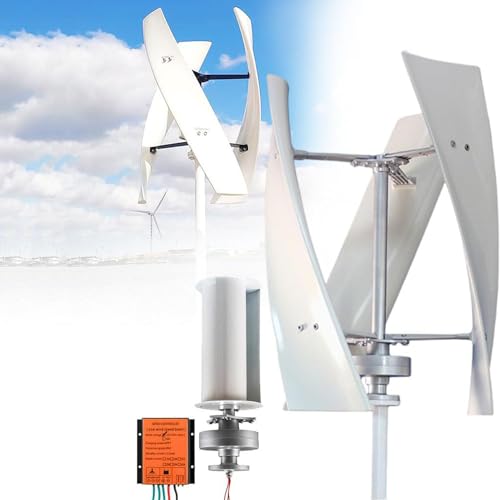
- Starts at just 2 m/s for gentler wind conditions
- 360° wind capture with vertical-axis blade design
- Quieter, residential-friendly operation for rooftops and off-grid sites
Best For: Homes, cabins, and small off-grid setups that need early power generation in light wind.
Best for Low Wind Sites
Archimedes 1kW Vertical Wind Turbine

- Cuts in at just 1.5 m/s for light-wind locations
- Compact 0.85 m rotor fits smaller installs
- Aluminum blades and PM generator aim for durability
Best For: Off-grid cabins, cottages, and rooftops in consistently light wind.
Best for STEM Demos
Vertical Axis Wind Turbine DIY Learning Kit

- Hands-on DIY assembly for science learning
- Vertical-axis design for wind-power demonstrations
- LED lights up with enough airflow for easy visual feedback
Best For: Students, hobbyists, and teachers who need a simple wind-energy experiment kit.
Best for Everyday Use
Archimedes 1kW Vertical Wind Turbine
- Starts at 1.5 m/s for light-wind locations
- Compact 0.85m rotor suits rooftops and small spaces
- 12V/24V off-grid design for cabins and small homes
Best For: Off-grid cabins, small homes, and tight-space installs in light wind areas.
Best for Quiet, 360° Wind Capture
Vertical Wind Turbine Generator Kit
- 360-degree wind handling for changing conditions
- Quieter than many horizontal turbine setups
- Controller included for a more complete kit
Best For: Quiet rooftop, home, or off-grid installs where wind direction changes often.
Best for Low Wind Start
20,000W Vertical Wind Turbine Generator

- Low 1.5 m/s startup for light-wind locations
- Permanent-magnet rotor with copper winding
- Quiet blade design for homes and cabins
Best For: Home and off-grid buyers looking for a low-start vertical turbine with broad installation flexibility.
Best for Quiet Off-Grid Use
HYZHANHONG 10000W Vertical Wind Turbine

- Quiet vertical-axis design for residential areas
- Permanent maglev generator for lower resistance
- Available in multiple voltages for flexible setups
Best For: Quiet off-grid and rooftop users who need a vertical-axis turbine for low-wind installations.
Best for Low-Wind Charging
3000W/8000W Vertical Wind Turbine Kit
- Low-speed PMG for weaker winds
- 360-degree wind capture without tracking
- Controller included for a more complete kit
Best For: Homes, cabins, boats, and lighting setups that need a versatile turbine for variable wind conditions.
Best for Low-Wind Startups – VEVOR 800W 12V Wind Turbine Kit
If you’re shopping for a vertical wind turbine for low wind speed, this VEVOR 800W kit is worth a close look thanks to its 2.5 m/s startup speed and MPPT controller. It’s aimed at users who want a compact 12V wind generator for off-grid charging on homes, farms, RVs, or boats, especially in areas with steady but not extreme wind.
Best For: Buyers who want a low-startup wind turbine kit for off-grid backup power, small systems, and mixed-use setups.
Pros:
- 2.5 m/s startup speed helps it begin generating in lighter wind conditions
- MPPT controller improves charging efficiency by matching voltage and current
- Three-phase 12V generator is built for quiet, durable operation
- Corrosion-resistant blades and aluminum body suit outdoor installs
Cons:
- Tower pole is not included, so installation needs extra hardware
- Performance depends heavily on wind consistency and proper siting
- Not a plug-and-play solution for beginners without mounting experience
Overall, this is a practical pick if you need a vertical wind turbine for low wind speed conditions and want an efficient 12V kit rather than a full bundled tower system. It makes the most sense for users who can mount it correctly and have realistic expectations about output in variable wind.
Best for DIY Demonstrations – 2-Piece Micro Vertical Wind Turbine Kit
If you want a simple, hands-on vertical wind turbine for low wind speed testing, this 2-piece micro generator is a compact option for classroom demos, DIY science projects, and small LED experiments. It’s designed to rotate toward the wind and can produce power at low output levels, but it’s better suited to learning and display than serious energy generation.
Best For: Students, hobbyists, and DIY builders who want an affordable micro turbine for experiments and small-scale demonstrations.
Pros:
- Includes two micro wind generator kits for DIY use
- 360° rotation helps it face changing wind direction
- Works as a compact teaching and demonstration model
- Can light low-power LEDs under light wind conditions
Cons:
- Low 0.55 W rated power limits real-world output
- Requires assembly before use
- Not intended for practical home power generation
As a vertical wind turbine for low wind speed learning projects, this model makes more sense as an educational kit than a performance pick. It’s a budget-friendly way to explore wind power basics, but buyers looking for usable electricity output will need a much larger turbine.
Best for Low Wind Start-Up – 3000W Vertical Wind Turbine Kit
If you want a vertical wind turbine for low wind speed, this 3000W kit is built around a low start-up threshold, curved blades, and a permanent magnet generator designed to capture gentle breezes more efficiently. It is a practical option for off-grid power, backup charging, and sites where wind is inconsistent but you still want a renewable-energy setup.
Best For: Homes, cabins, marine setups, and surveillance or lighting projects that need a vertical turbine optimized for light to moderate wind conditions.
Pros:
- Low 2 m/s start-up wind speed helps it begin generating earlier than many small turbines.
- Vertical-axis design can take wind from any direction, simplifying placement.
- Quieter operation suits rooftops and residential environments better than louder horizontal models.
- Permanent magnet generator and curved blades are tuned for better low-resistance performance.
Cons:
- 3000W claims may be optimistic in real-world low-wind conditions.
- Performance depends heavily on tower height and installation quality.
- May require additional components for a complete battery-charging system.
This is a solid pick if your priority is a vertical wind turbine for low wind speed rather than maximum peak-output bragging rights. It makes the most sense for buyers who value easier wind capture, quieter operation, and flexible placement over a more complex high-speed turbine setup.
Best for Low Wind Sites – Archimedes 1kW Vertical Wind Turbine
If you need a vertical wind turbine for low wind speed conditions, this Archimedes 1kW model is built around early cut-in performance and compact off-grid use. It starts generating at just 1.5 m/s, making it a practical option for cabins, cottages, rooftops, and small renewable projects where wind is inconsistent.
Best For: Off-grid homeowners and DIY energy users who want a compact 12V/24V turbine for light-wind locations.
Pros:
- Starts producing power at a very low 1.5 m/s wind speed
- Compact 0.85 m rotor and 35 kg build suit smaller installations
- Three aluminum blades and three-phase PM generator support durable operation
- Rated for 1kW output in suitable wind conditions
Cons:
- Real-world output will vary a lot in light and turbulent wind
- Best suited to off-grid systems, not grid-tied households
- May need careful mounting to get the most from rooftop or yard placement
This is a compelling vertical wind turbine for low wind speed applications if your site rarely sees strong gusts but still gets steady air movement. It is less about high-output performance and more about getting usable generation sooner than many small turbines.
Best for STEM Demos – Vertical Axis Wind Turbine DIY Learning Kit
If you want a hands-on vertical wind turbine for low wind speed learning and classroom demonstrations, this DIY vertical-axis kit is a practical pick. It is designed for assembly, experimentation, and showing basic power-generation principles, with the LED lighting up when airflow is strong enough from blowing or a fan.
Best For: Students, hobbyists, and teachers who want an affordable science experiment kit for wind power demonstrations and STEM learning.
Pros:
- Educational vertical-axis design makes wind-power concepts easy to demonstrate
- DIY assembly adds hands-on learning and engineering practice
- LED indicator gives a simple visual cue when airflow is sufficient
- Useful for classroom, home, or lab-style experiments
Cons:
- Requires self-assembly before use
- Better suited to learning and demos than real power output
- Needs a fan or steady airflow to perform well
This kit is a solid match if your goal is education rather than utility. For anyone comparing a vertical wind turbine for low wind speed applications, it works best as a teaching model that visually explains the principle, not as a household energy solution.
Best for Everyday Use – Archimedes 1kW Vertical Wind Turbine
If you need a vertical wind turbine for low wind speed conditions, this 1kW Archimedes-style model stands out for its 1.5 m/s cut-in speed and compact 0.85m rotor. It is aimed at off-grid homes, cabins, and small renewable setups where dependable power in lighter breezes matters more than raw peak output.
Best For: Off-grid homeowners, cabin owners, and small property setups that want a compact turbine designed to start producing in light wind.
Pros:
- Starts generating at just 1.5 m/s, making it well-suited to low-wind locations
- Compact, 35kg design with a small rotor footprint for rooftops and tight spaces
- Three aluminum blades and a permanent magnet generator for durable operation
- Works with 12V/24V off-grid systems for flexible small-scale use
Cons:
- 1kW rating is modest for larger household energy needs
- Rooftop or off-grid installs may still require careful mounting and wiring
- Performance will depend heavily on consistent airflow and site conditions
As a vertical wind turbine for low wind speed use, this model is a practical fit when you want earlier spin-up and a manageable form factor rather than a large, utility-scale turbine. It makes the most sense for buyers who value compact size and low-start performance in a small off-grid system.
Best for Quiet, 360° Wind Capture – Vertical Wind Turbine Generator Kit
If you want a vertical wind turbine for low wind speed sites, this 3000W/8000W kit is built around low-noise operation, 360-degree wind-direction handling, and a stable vertical-blade design. It’s a practical option for rooftops, streetside installs, and off-grid projects where you want flexible wind capture without the footprint of a horizontal turbine.
Best For: Homeowners, DIY off-grid users, and small commercial installs that need a quieter vertical turbine for variable wind directions.
Pros:
- Vertical-blade design helps it accept wind from any direction
- Quieter operation than many horizontal turbine setups
- Controller included for a more complete install package
- Suitable for rooftops, marine use, and lighting or surveillance projects
Cons:
- High wattage claims may not reflect real-world output in light winds
- Installation and mounting may still require technical know-how
- Not the most compact choice for very small spaces
Overall, this is a solid pick if you need a vertical wind turbine for low wind speed and changing wind directions, especially when quieter operation matters. Just keep expectations realistic on output and make sure your mount and site conditions are suited to a turbine of this size.
Best for Low Wind Start – 20,000W Vertical Wind Turbine Generator
If you want a vertical wind turbine for low wind speed use, this model stands out for its claimed 1.5 m/s startup and quiet, lightweight blade design. It’s aimed at buyers who want a compact renewable-energy setup for homes, cabins, boats, or small off-grid systems, with the added convenience of a grid inverter and controller package.
Best For: Homeowners and off-grid users who need a low-start vertical turbine for light winds and flexible everyday power generation.
Pros:
- Starts at a low 1.5 m/s wind speed, making it attractive for breezier or inconsistent sites.
- Permanent-magnet rotor and copper winding design are built for efficient energy conversion.
- Lightweight blades and rotating balance system help reduce noise during operation.
- Works across multiple use cases, including cabins, boats, pavilions, and mobile homes.
Cons:
- Large wattage claims may be optimistic for real-world residential wind conditions.
- Best results still depend heavily on proper mounting height and consistent airflow.
- More of a system purchase, so setup is less plug-and-play than a simple appliance.
As a vertical wind turbine for low wind speed projects, this one is appealing on paper because it prioritizes low startup speed, broad compatibility, and quieter operation. It makes the most sense if you have realistic expectations and want a turbine suited to variable wind rather than a high-output farm-scale installation.
Best for Quiet Off-Grid Use – HYZHANHONG 10000W Vertical Wind Turbine
If you want a vertical wind turbine for low wind speed setups that prioritizes quiet operation and simple installation, this HYZHANHONG vertical-axis generator is built around a permanent maglev design and multiple voltage options. It is a practical fit for buyers who need a compact wind solution for homes, rooftops, monitoring equipment, or lighting, especially where noise and space matter.
Best For: Homeowners, DIY off-grid users, and property owners who want a quieter vertical-axis turbine for low-wind applications.
Pros:
- Quiet vertical-axis design suits residential and rooftop installs.
- Permanent maglev generator aims to reduce resistance and improve efficiency.
- 12V, 24V, 48V, and higher-voltage options add setup flexibility.
- Alloy steel and plastic construction is made for outdoor use.
Cons:
- Marketing claims are broad, so real-world output may vary by wind conditions.
- Works best as part of a properly matched system with controller and storage.
- Not the simplest choice for buyers who want a plug-and-play turbine.
For shoppers comparing a vertical wind turbine for low wind speed conditions, this model stands out more for quiet operation and adaptable voltage choices than for a proven high-output track record. It makes the most sense if you value low-noise, off-grid flexibility, and a vertical form factor over maximum performance claims.
Best for Low-Wind Charging – 3000W/8000W Vertical Wind Turbine Kit
If you want a vertical wind turbine for low wind speed, this kit is built around a low-speed permanent-magnet generator and 360-degree wind capture, which can help it start producing power in more variable conditions. It’s aimed at buyers who need an adaptable turbine for off-grid, home, marine, or lighting applications rather than a highly specialized commercial setup.
Best For: Homes, cabins, boats, and roadside lighting setups that need a versatile vertical turbine for variable wind conditions.
Pros:
- Low-speed PMG design is suited to weaker, inconsistent winds
- 360-degree wind-direction capture removes the need for tracking
- Works across multiple use cases, including home and marine setups
- Controller included for a more complete charging setup
Cons:
- “3000W/8000W” claims may be optimistic for real-world output
- Installation and support details may still require buyer research
- Not the most compact choice for small rooftops or tight spaces
For shoppers comparing a vertical wind turbine for low wind speed, this model stands out more for its broad compatibility and low-speed focus than for precision engineering claims. It makes the most sense if you want an all-in-one kit and can tolerate some uncertainty around rated wattage.
How We Picked the Best Vertical Wind Turbine for Low Wind Speed
We prioritized low-startup-speed performance, realistic output claims, control hardware, voltage options, and suitability for common use cases such as cabins, backup charging, and educational projects. For a Vertical Wind Turbine for Low Wind Speed, startup behavior matters more than peak wattage alone, so we weighed specifications that suggest better capture in light air movement.
Quick Comparison
Smaller DIY and educational kits are best for learning, testing, and small electronics. Midrange off-grid units can make sense for battery charging and modest backup systems. High-wattage models may appeal on paper, but they usually require stronger wind, taller mounting, and proper electrical protection to deliver useful real-world performance.
Key Buying Factors for a Vertical Wind Turbine for Low Wind Speed
Startup Speed
Look for a low cut-in or startup speed if your site has light, inconsistent wind. A turbine that begins turning earlier is often more valuable than one with a higher rated peak output.
Voltage and System Match
Match the turbine’s voltage to your battery bank, controller, and inverter plan. Common 12V and 24V systems are easier for small off-grid builds, while larger installations may use higher-voltage setups to reduce losses.
Controller and Protection
A good controller helps manage charging and prevents damage from overspeed or overvoltage. This is especially important when winds can shift quickly.
Blade Design and Durability
Blade shape, rotor size, and build quality affect how well the turbine performs in light wind and how long it lasts outdoors. Corrosion resistance and balanced construction matter if you want lower maintenance.
Noise, Space, and Mounting
Vertical turbines are often chosen for compact spaces and quieter operation, but they still need secure mounting and clear airflow. Check rooftop, pole, or yard requirements before buying.
Who Should Buy Which Vertical Wind Turbine for Low Wind Speed?
If you want a learning tool or bench-top demo, choose a micro or educational kit. If your goal is small-scale battery charging, look for a modest 12V or 24V model with a controller and a realistic startup speed. For cabin or home backup, prioritize a proven controller, sturdy construction, and a system size that matches your actual wind resource. Shoppers evaluating the largest units should verify local wind conditions, mounting structure, and electrical compatibility before committing.