Choosing the right inverter for a 24V battery bank is about more than wattage. You need a setup that matches charging input, battery chemistry, and your real power needs.
This roundup focuses on practical options for off-grid homes, cabins, boats, and backup power systems, with an eye on compatibility, efficiency, and value.
Best 10 Wind Turbine Inverter for 24v Battery Bank Picks for 2026
Best Hybrid Solar Option
SUMRY 4000W 24V Hybrid Solar Inverter

- 4000W rated / 8000W surge output
- Built-in 140A MPPT charge controller
- Supports battery-less and 24V battery-based setups
Best For: Off-grid buyers who want a 24V hybrid inverter-charger for solar-backed power systems.
Best Dual-Purpose Generator
Small Wind Turbine Generator 36W 12-24V
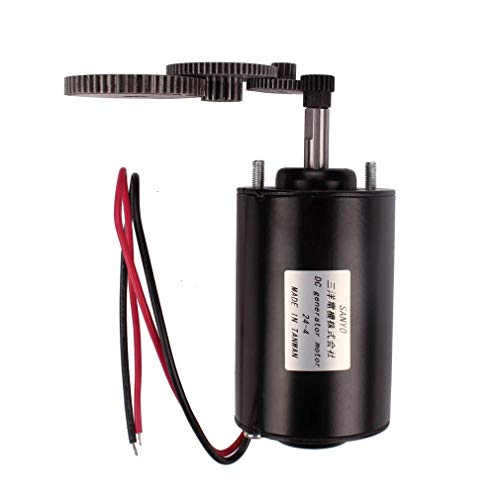
- Runs as a DC generator or DC motor
- Compact, quiet, and lightweight for small setups
- 12-24V range suits light charging and hobby use
Best For: DIY users who need a small, versatile generator for light 12V/24V charging projects.
Best for Low-Wind Charging
800W 24V Wind Turbine with MPPT

- MPPT controller for smarter charging
- Starts at 2.0 m/s for better low-wind capture
- Lightweight 5-blade design for small off-grid systems
Best For: Off-grid buyers needing a 24V wind charging setup for boats, cabins, RVs, or small home systems.
Best for Easy Setup
Portable 120W Wind Generator Kit

- No-tool assembly in about 5 minutes
- Adjustable output for 5V/24V~32V use
- 360-degree rotation and compact build
Best For: RVs, cabins, boats, and simple off-grid charging setups.
Best Hybrid Wind-Solar Starter Kit
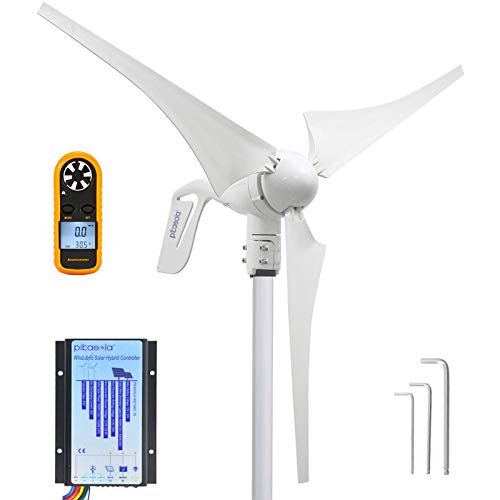
- Low-speed-start turbine for small off-grid builds
- 30A hybrid controller supports wind plus solar charging
- Lightweight, corrosion-resistant blades for outdoor use
Best For: DIY users building a small wind-and-solar charging setup with basic battery support.
Best for Comfort
Wind Turbine Generator Kit 12V/24V

- Low 2 m/s start-up speed for lighter winds
- Three-phase PMG design for efficient charging
- Fits 12V/24V off-grid battery bank setups
Best For: Cabins, boats, and small off-grid setups that need a wind charger for light wind conditions.
Best for Multi-Voltage Systems
20000W Wind Generator Kit 12V/24V/48V

- 12V/24V/48V system compatibility
- Works for home, RV, and marine use
- High 20,000W capacity for larger setups
Best For: Off-grid buyers who need a flexible wind turbine solution for a 24V battery bank.
Best All-in-One Hybrid Off-Grid Kit
1KW 24V Solar-Wind Complete Kit

- Bundled 24V hybrid system with wind, solar, batteries, and inverter
- Pure sine inverter supports sensitive electronics
- Good fit for cabins, RVs, and off-grid backup builds
Best For: Shoppers who want a ready-made 24V solar-and-wind power bundle.
Best for Quiet Off-Grid Charging
400W 24V Vertical Wind Turbine Kit

- Includes controller for 24V battery-bank setups
- Quiet vertical-axis design suits homes and boats
- IP67 build helps in rain and harsh weather
Best For: Small off-grid users who want quiet, weather-resistant 24V wind charging.
Best Hybrid Solar Option – SUMRY 4000W 24V Hybrid Solar Inverter
If you need a wind turbine inverter for 24v battery bank setups, this SUMRY unit is worth a look because it combines a 24V pure sine wave inverter with a built-in 140A MPPT charge controller. It can handle solar input directly, but it also gives you battery-backed flexibility for off-grid cabins, backup power, and mixed renewable systems.
Best For: Users who want one inverter-charger that can support a 24V battery bank while also managing solar charging and utility backup.
Pros:
- 4000W rated output with 8000W surge for higher startup loads
- Pure sine wave power is safer for sensitive electronics and appliances
- Built-in 140A MPPT controller supports hybrid solar charging and battery-less daytime operation
- Works with AGM, gel, lead-acid, lithium-ion, and LiFePO4 batteries
Cons:
- Not a dedicated wind controller, so turbine systems may need separate wind charge equipment
- Battery-less mode has input and grid limitations that require careful setup
- Higher power capacity may be more than small 24V systems actually need
For a wind turbine inverter for 24v battery bank builds, the main appeal here is the hybrid power architecture: you get a strong inverter, broad battery compatibility, and a capable MPPT section in one enclosure. Just make sure your turbine charging path is properly regulated before connecting it to this inverter system.
Best Dual-Purpose Generator – Small Wind Turbine Generator 36W 12-24V
Small Wind Turbine Generator 36W 40W 12-24V DC Permanent Magnet Motor Dual Purpose 4 Gears
Check Price On AmazonIf you need a compact, multi-use option for a wind turbine inverter for 24v battery bank setups, this small permanent-magnet generator is worth a look. It can be used as either a DC generator or motor, and its 12-24V range makes it a flexible fit for hobby builds, low-power charging projects, and basic off-grid experiments.
Best For: DIY users who want a small, low-noise generator for light charging tasks and simple 12V/24V projects.
Pros:
- Dual-purpose design can function as a DC generator or DC motor
- Compact, lightweight build with low noise and low power consumption
- 12-24V rating gives it broader compatibility for small off-grid setups
- Can handle basic charging and light-load test applications
Cons:
- Not ideal for high-output or serious battery-bank charging
- Performance is better suited to small loads than full home systems
- Specs and output claims are modest compared with larger turbine generators
Overall, this is a practical entry-level pick if you’re experimenting with a wind turbine inverter for 24v battery bank use and want something simple, compact, and versatile rather than a high-wattage solution. It makes more sense for learning, testing, and light-duty charging than for demanding power generation.
Best for Low-Wind Charging – 800W 24V Wind Turbine with MPPT
If you need a wind turbine inverter for 24v battery bank setups, this 800W FLTXNY POWER unit is aimed at efficient charging in light-to-moderate wind conditions. Its MPPT charge controller helps regulate output, while the 24V configuration makes it a practical fit for small off-grid systems, boats, cabins, and backup power projects.
Best For: Off-grid users who want a 24V wind charging setup with MPPT support for boats, cabins, RVs, or small home systems.
Pros:
- MPPT controller helps optimize charging performance
- Starts at just 2.0 m/s, which is useful in lighter wind areas
- Lightweight aluminum housing with double bearing support
- 5-blade nylon design is built for quieter, steadier operation
Cons:
- 3.4-star average suggests mixed owner satisfaction
- Best suited to smaller systems rather than high-demand setups
- Requires proper wind conditions to reach its rated output
For buyers comparing a wind turbine inverter for 24v battery bank use, this model stands out more for low-start performance and integrated MPPT charging than for premium build or proven long-term reliability. It makes the most sense when you want an affordable, compact turbine for supplemental charging rather than a primary power source.
Best for Easy Setup – Portable 120W Wind Generator Kit
If you want a simple wind turbine inverter for 24v battery bank setups with a compact, portable design, this 120W kit is built around fast assembly and adjustable output. The included regulator supports 5V/24V~32V output, making it a flexible option for light off-grid charging and small outdoor power needs.
Best For: RVs, cabins, boats, and DIY users who want a lightweight wind turbine kit that’s quick to assemble and easy to reposition.
Pros:
- 5-minute, no-tool assembly is ideal for quick setup
- Adjustable voltage output adds flexibility for different small-load applications
- 360-degree rotation helps capture wind from changing directions
- Compact aluminum-alloy body is lightweight and travel-friendly
Cons:
- 120W output is modest for larger battery banks or heavy loads
- Best suited to supplemental charging rather than full-time power
- May require extra components to integrate cleanly with a 24V battery system
This is a practical pick if your priority is portability and easy installation rather than maximum output. For buyers comparing a wind turbine inverter for 24v battery bank use, the adjustable voltage and compact build make it a convenient entry-level option for light off-grid setups.
Best Hybrid Wind-Solar Starter Kit – 12V 400W Wind Turbine Kit
If you need a compact entry-level option for a wind turbine inverter for 24v battery bank planning, this 12V 400W wind turbine kit is worth a close look for off-grid hobby setups and small hybrid systems. It combines a low-speed-start turbine, three-phase permanent magnet generator, and a 30A hybrid charge controller that can also handle up to 500W of solar input on a 12V battery bank.
Best For: DIY users building a small wind-and-solar charging setup who want an integrated controller and a simple path to battery charging.
Pros:
- Low starting speed and yaw adjustment help capture wind more efficiently in variable conditions.
- Includes a 30A hybrid controller for combined wind and solar charging.
- Lightweight nylon carbon-fiber blades are waterproof and corrosion resistant.
- Compact 400W design suits small off-grid battery projects.
Cons:
- Designed around 12V systems, so it is not a direct match for native 24V battery banks.
- Best performance depends on consistent wind, which can be limited in some locations.
- Not ideal for larger cabins or higher-demand inverter loads.
Overall, this is a practical starter kit if you want a hybrid controller and a modest turbine package rather than a high-output system. For a wind turbine inverter for 24v battery bank use, it makes more sense as a small charging solution paired with the right battery and inverter setup, not as a heavy-duty power source.
Best for 24V/48V Systems – 3000W Wind Turbine Kit with Inverter
If you need a wind turbine inverter for 24v battery bank use, this 3000W kit is aimed at DIY off-grid setups that want both 24V and 48V compatibility. It pairs a 3-phase permanent magnet turbine with built-in control features, making it a practical option for homes, farms, boats, and small renewable projects.
Best For: Buyers building a 24V or 48V off-grid wind system who want a compact turbine kit with integrated inverter-style control features.
Pros:
- Supports both 24V and 48V battery-bank setups
- Low start-up wind speed and low-noise operation
- Compact design suited to home, farm, or marine use
- High-power tracking microprocessor control helps regulate output
Cons:
- Not a standalone pure inverter; it is part of a turbine kit
- May be more system than needed for very small battery banks
- Installation and wiring still require basic off-grid know-how
As a wind turbine inverter for 24v battery bank applications, this kit makes the most sense when you want a higher-capacity, all-in-one renewable setup rather than a simple plug-in accessory. Its real value is in flexibility and control, especially for users comfortable sizing the rest of the system around it.
Best for Comfort – Wind Turbine Generator Kit 12V/24V
If you need a compact turbine kit that can feed a small off-grid system, this 12V/24V model is worth a look. It uses a three-phase PMG, low start-up speed, and a controller-focused design that can pair with a wind turbine inverter for 24v battery bank setups when your system is sized correctly.
Best For: Cabins, boats, sheds, and mobile homes that need a small wind generator for battery charging in light to moderate wind conditions.
Pros:
- Low 2 m/s start-up speed helps capture energy in gentler winds
- Three-phase permanent magnet generator supports efficient charging
- Double-bearing design aims to reduce vibration and noise
- Works across multiple wattage options and 12V/24V systems
Cons:
- Product listing mixes terms and can be confusing to verify
- May need careful matching with a charge controller and inverter
- Not ideal as a primary power source for larger home systems
This is a practical choice if you want a basic wind charging setup and are comfortable confirming compatibility with your battery bank and electronics. For buyers comparing a wind turbine inverter for 24v battery bank installations, the main appeal is its low-start performance and flexible 12V/24V format.
Best for Multi-Voltage Systems – 20000W Wind Generator Kit 12V/24V/48V
If you want a flexible wind turbine inverter for 24v battery bank setups, this 20000W wind generator kit stands out for its 12V/24V/48V compatibility and broad home, RV, and marine use. It’s a practical option for buyers who need a renewable-energy turbine that can adapt to different battery systems without committing to a single voltage.
Best For: Off-grid users, RV owners, and boat owners who want a multi-voltage wind turbine solution for a 24V battery bank.
Pros:
- Supports 12V, 24V, and 48V battery systems
- Useful for home, RV, and marine applications
- Large 20,000W rating offers strong headroom for expansion
Cons:
- Higher-capacity system may be more than casual users need
- Requires proper installation and matching components
- Product details may be less beginner-friendly than simpler kits
Overall, this is a versatile pick if you need a wind turbine inverter for 24v battery bank use and want room to scale later. It’s most appealing when flexibility and multi-voltage support matter more than a compact, plug-and-play setup.
Best All-in-One Hybrid Off-Grid Kit – 1KW 24V Solar-Wind Complete Kit
If you want a wind turbine inverter for 24v battery bank use cases without piecing together every component separately, this complete hybrid kit is a straightforward option. It combines solar panels, a 400W wind turbine, LiFePO4 batteries, a pure sine inverter, and a hybrid controller in one package for small off-grid systems.
Best For: Buyers who want a bundled 24V solar-and-wind setup for cabins, RVs, backup power, or experimental off-grid builds.
Pros:
- Includes the major components needed for a 24V hybrid power system
- Pure sine inverter is a better fit for sensitive electronics
- LiFePO4 batteries offer a modern, long-life storage option
- Useful for mixed solar and wind charging in one purchase
Cons:
- Full kit may be more system than some buyers actually need
- Installation and wiring still require planning and basic technical know-how
- Not ideal if you only need a standalone inverter or turbine
This kit makes sense if you want a bundled starting point rather than shopping for each part individually. For shoppers comparing a wind turbine inverter for 24v battery bank applications, the main appeal is convenience and compatibility across the system components.
Best for Quiet Off-Grid Charging – 400W 24V Vertical Wind Turbine Kit
If you’re shopping for a wind turbine inverter for 24v battery bank setups, this 400W vertical-axis kit is a practical pick for small off-grid systems, boats, and lighting projects. It includes a controller, runs quietly, and uses an automatic windward adjustment design to help keep charging more stable in changing wind conditions.
Best For: Small 24V battery-bank systems where low noise, weather resistance, and simple wind charging matter more than maximum output.
Pros:
- Includes a controller for easier integration with a 24V battery bank
- Low start wind speed and automatic windward adjustment improve everyday usability
- Quiet vertical-axis design is a good fit for homes, boats, and street lighting
- IP67 protection and corrosion-resistant materials help in harsh weather
Cons:
- 400W output is modest for larger battery banks or high-demand loads
- Performance depends heavily on consistent wind exposure and tower placement
- Vertical turbines can be less efficient than larger horizontal models in strong steady wind
This is a sensible choice if you want a compact, low-noise wind turbine inverter for 24v battery bank charging and need better durability than a bare-bones entry-level kit. It’s more about reliable small-system support than big power production.
How We Picked the Best Wind Turbine Inverter for 24v Battery Bank
For a Wind Turbine Inverter for 24v Battery Bank setup, the most important factors are usable output, system voltage match, charge-controller compatibility, and how well the unit fits real-world off-grid use. We prioritized models that help convert or manage wind-generated power safely, with attention to hybrid capabilities, MPPT support, and support for solar-wind combinations where relevant.
Quick Comparison
Not every product in this roundup serves the same role. Some are full inverter-charger systems for a 24V battery bank, while others are wind generators or hybrid kits that pair with an inverter. Compare them by intended use: pure power conversion, wind charging, hybrid charging, or compact portable generation.
Key Buying Factors for Wind Turbine Inverter for 24v Battery Bank
Voltage Match
Make sure the inverter or charging system is designed for 24V battery input. A mismatch can reduce efficiency or prevent proper charging and battery protection.
Continuous and Surge Power
Look beyond the headline wattage. Appliances with motors, pumps, or compressors may need higher surge capacity than their running load suggests.
Waveform Quality
Pure sine wave output is the safer choice for sensitive electronics, battery chargers, and modern appliances. It usually costs more, but it is the better long-term option for mixed loads.
Charging Features
If you are building a wind-based system, a built-in or compatible charge controller matters. MPPT support can improve energy harvest, especially in variable wind conditions and hybrid wind-solar setups.
Battery Chemistry Support
Confirm compatibility with your battery type, especially if you use LiFePO4. Proper charge profiles help protect battery life and improve performance.
System Role
Some buyers need a true inverter for AC appliances, while others need a wind turbine, controller, or hybrid kit that feeds a separate inverter. Choosing the right role matters more than chasing the biggest watt number.
Who Should Buy Which Wind Turbine Inverter for 24v Battery Bank?
If you want dependable AC power from a 24V bank, choose a pure sine inverter with enough surge headroom. If your goal is to capture wind energy first and store it efficiently, prioritize a wind turbine kit with a strong controller and then pair it with a suitable inverter. For cabins, RVs, boats, and backup systems, the best choice is usually the simplest setup that matches your actual load and battery bank size.