Choosing a wind turbine inverter for home battery system use is mostly about matching voltage, output, and charge control to your battery bank and real-world energy needs.
This roundup focuses on hybrid kits that can help you store wind power efficiently, support solar input where included, and keep an off-grid or backup setup running more reliably.
Best 10 Wind Turbine Inverter for Home Battery System Picks for 2026
Best Off-Grid Hybrid Kit
VEVOR 24V 1000W Solar Wind Kit
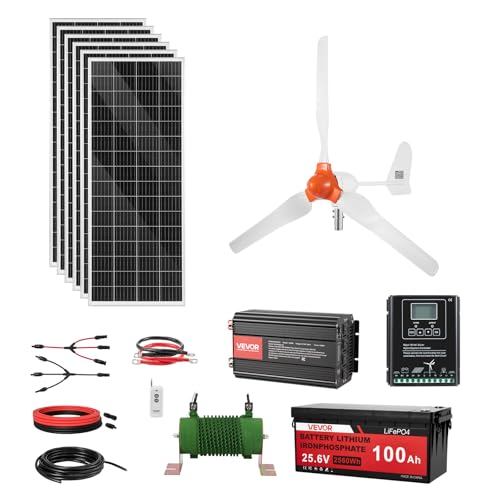
- All-in-one solar + wind + battery package
- MPPT controller for hybrid charging efficiency
- 3000W inverter supports larger AC loads
Best For: Off-grid buyers who want a complete hybrid renewable power system.
Best Hybrid Backup
400W Wind-Solar Kit with 2x100W Panels

- Hybrid wind + solar design for steadier charging
- Low-start turbine helps in lighter wind conditions
- Durable aluminum alloy body and toughened-glass panels
Best For: RV, marine, cabin, or small off-grid battery charging setups.
Best for Windy Off-Grid Setups

- MPPT controller improves charging efficiency
- Starts at 2.5 m/s for lower-wind areas
- Adjustable tail and 5-blade design aid stability
Best For: Windy off-grid homes, RVs, farms, or boats needing 12V battery charging.
Best for Wind-Solar Hybrid Charging
1400W Off Grid Hybrid Controller

- Hybrid wind/solar charging for 12V/24V batteries
- Boost MPPT wind charging improves low-wind performance
- LCD display with configurable DC load modes
Best For: DIY off-grid setups that need a single controller for wind, solar, and battery charging.
Best for 12V Off-Grid Charging
Wind Turbine Generator Kit, 1200W 5 Blade

- Controller included for battery charging
- Yaw system helps capture changing wind direction
- Weather-resistant build for outdoor use
Best For: DIY off-grid users charging a 12V battery bank for cabins, RVs, boats, or small homes.
Best for Low-Wind Off-Grid Setups
20,000W Vertical Axis Wind Kit
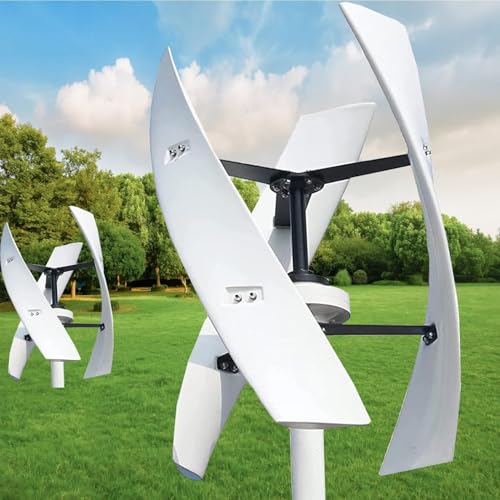
- Starts at 2m/s for better low-wind performance
- Controller and grid inverter included
- Works well with cabins, boats, and solar hybrids
Best For: DIY buyers building a wind-plus-solar battery backup system in low-wind locations.
Best for Comfort
1000W Solar + 400W Wind Inverter Kit

- Hybrid wind-and-solar charging for mixed weather
- Includes 3000W inverter and hybrid charge controller
- Good fit for 12V off-grid battery systems
Best For: Off-grid users who want a single kit for wind and solar battery charging.
Best for Quiet Off-Grid Charging
100W Vertical Axis Wind Turbine Kit
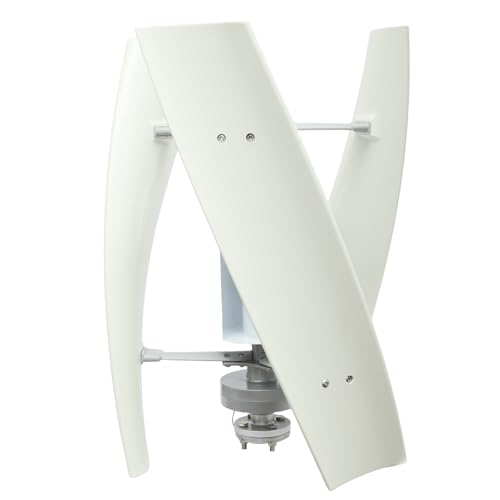
- Quiet vertical-axis design for near-home installs
- 12V DC output suits battery charging and hybrid systems
- Includes controller and mounting hardware for easier setup
Best For: DIY off-grid users who want a quiet 12V wind source for a small battery bank or hybrid solar-wind setup.
Best Hybrid Off-Grid Starter Kit
1120W Solar Wind Kit with 2x100Ah Batteries

- Hybrid solar + wind charging for day and night power
- Includes 2 x 100Ah LiFePO4 batteries and 3000W inverter
- All-in-one kit is convenient for off-grid beginners
Best For: Homeowners and off-grid beginners who want a bundled wind-and-solar battery system.
Best for High-Output Off-Grid Builds

- 3000W/5000W/7000W-rated turbine options
- Works with 12V, 24V, and 48V battery systems
- Low start speed and durable dual-bearing build
Best For: Off-grid users who want a higher-output wind turbine for battery charging in homes, farms, RVs, or boats.
Best Off-Grid Hybrid Kit – VEVOR 24V 1000W Solar Wind Kit
If you want a wind turbine inverter for home battery system use that can also pull in solar, this VEVOR kit gives you a ready-made off-grid package instead of piecing everything together separately. It combines panels, a wind turbine, MPPT hybrid control, a LiFePO4 battery, and a 3000W inverter, making it a practical fit for cabins, farms, boats, and backup power setups where energy sources can vary.
Best For: Buyers who want an all-in-one hybrid renewable setup for off-grid charging and AC power.
Pros:
- Includes solar panels, wind turbine, battery, controller, and inverter in one bundle
- MPPT hybrid controller helps optimize charging from both wind and solar
- 3000W inverter and LiFePO4 battery support larger household or cabin loads
- Useful for varied off-grid applications where solar alone may not be enough
Cons:
- Bulk kit is better for committed off-grid installs than casual users
- Packages may arrive separately, which can complicate setup timing
- Wind output depends heavily on local conditions and tower placement
As a wind turbine inverter for home battery system needs, this kit stands out more for completeness than simplicity: it is a strong choice if you want hybrid charging, storage, and AC output in one coordinated package.
Best Hybrid Backup – 400W Wind-Solar Kit with 2x100W Panels
If you want a practical wind turbine inverter for home battery system support, this hybrid kit is aimed at topping up power from both wind and sun. The 400W wind turbine starts at low wind speeds, while the included 2 x 100W monocrystalline panels help keep charging more consistent when conditions change.
Best For: RV, marine, cabin, or small off-grid users who want a simple wind-and-solar add-on for battery charging.
Pros:
- Hybrid setup combines wind generation with two solar panels for better all-day charging.
- Low-start wind turbine design can generate power in lighter breezes.
- Monocrystalline panels with reported 24% conversion efficiency help maximize solar input.
- Durable build materials, including aluminum alloy and toughened glass, suit outdoor use.
Cons:
- Not a complete battery/inverter package, so additional system components are still required.
- Best suited to modest off-grid loads rather than whole-home backup power.
- Wind performance will vary significantly based on local conditions and mounting height.
This is a good match if you need a wind turbine inverter for home battery system support that can work alongside solar instead of relying on one source alone. It makes the most sense for buyers building a compact hybrid charging setup for intermittent power needs.
Best for Windy Off-Grid Setups – VEVOR 500W Wind Turbine Kit
VEVOR’s 500W 12V wind turbine kit is a practical option if you want a compact wind turbine inverter for home battery system charging in a wind-rich location. The MPPT controller helps improve usable output, while the low 2.5 m/s start speed and adjustable windward direction make it better suited to variable outdoor conditions than many basic small-turbine kits.
Best For: Homeowners, RV users, farm sites, or boat owners who need a 12V wind generator with MPPT support for off-grid battery charging.
Pros:
- MPPT controller helps optimize charging efficiency
- Starts in relatively light wind at 2.5 m/s
- 5-blade fiberglass nylon design is weather-resistant and quiet
- Adjustable windward direction improves real-world placement flexibility
Cons:
- Best results depend heavily on steady wind exposure
- 500W output is modest for larger home backup needs
- 12V setup may require compatible battery and charge components
This is a solid fit if you want a budget-conscious wind turbine inverter for home battery system use and can place it where wind is consistent. It is more of a practical off-grid charger than a whole-home power solution, but the MPPT control and durable build make it a sensible pick for smaller renewable setups.
Best for Wind-Solar Hybrid Charging – 1400W Off Grid Hybrid Controller
If you want a practical wind turbine inverter for home battery system setups, this hybrid controller is built for mixed wind-and-solar charging on 12V or 24V batteries, including lithium packs. It combines boost MPPT for the wind side with solar charge handling, making it a flexible pick for off-grid homes, boats, and utility lighting.
Best For: DIY off-grid users who need one controller to manage both a wind turbine and solar array with battery charging and load control.
Pros:
- Supports 12V/24V battery systems, including lithium batteries
- Boost MPPT wind charging helps maintain charging in lower wind conditions
- Handles up to 800W wind and 600W solar for hybrid setups
- Large LCD and adjustable DC load modes add flexibility
Cons:
- More of a controller than a true inverter, so it is not a full power-conversion solution
- Best suited to users comfortable with off-grid wiring and system setup
- External dump-load setup may add installation complexity
For buyers building a wind turbine inverter for home battery system project, this unit stands out for its hybrid design and broad battery compatibility. It is a strong fit if you want integrated charge management more than a plug-and-play inverter.
Best for 12V Off-Grid Charging – Wind Turbine Generator Kit, 1200W 5 Blade
If you need a practical wind turbine inverter for home battery system use, this 12V kit is aimed at simple off-grid charging rather than high-end residential integration. The included controller, automatic shutoff behavior, and five-blade design make it a straightforward option for topping up batteries in a solar-and-wind setup.
Best For: DIY homeowners, cabins, RVs, and boat owners who want a compact 12V wind-charging kit for a battery bank.
Pros:
- Includes a controller and automatic charge protection for battery charging
- Three-phase permanent magnet generator with compact NdFeB magnet design
- Yaw adjustment helps the rotor track wind direction more effectively
- Built for outdoor use with corrosion-resistant and weather-resistant materials
Cons:
- 1200W rating depends heavily on wind conditions and installation quality
- 12V output may be limiting for larger home battery systems
- Not a plug-and-play solution for full residential inverter setups
Overall, this kit makes sense if you want a budget-friendly wind turbine inverter for home battery system charging and can handle a DIY-friendly off-grid install. It is better suited to supplemental power generation than to serving as the core of a large home energy system.
Best for Low-Wind Off-Grid Setups – 20,000W Vertical Axis Wind Kit
This vertical-axis wind kit is aimed at buyers who want a practical wind turbine inverter for home battery system use, especially in off-grid or hybrid setups where low start-up speed matters more than peak ratings. It includes a controller and grid inverter, plus a design that can work in modest wind and pair with solar for a more flexible renewable setup.
Best For: Cabins, mobile homes, boats, street-lighting projects, and DIY users building a wind-plus-solar battery system.
Pros:
- Starts in low wind, with a 2m/s startup speed for easier energy capture.
- Vertical-axis design is compact and better suited to mixed residential and mobile use cases.
- Includes controller and grid inverter, simplifying a home battery or hybrid install.
- Lightweight, corrosion-resistant build with claimed long service life.
Cons:
- Large 20,000W listing may be optimistic versus real-world output in average winds.
- Installation still requires DIY know-how and proper mounting hardware.
- Best results depend heavily on consistent wind exposure.
For buyers comparing a wind turbine inverter for home battery system setups, this kit stands out more for versatility and low-wind usability than for plug-and-play simplicity. It makes the most sense if you want a compact vertical turbine that can complement solar and feed a backup power bank or hybrid inverter setup.
Best for Comfort – 1000W Solar + 400W Wind Inverter Kit
If you need a wind turbine inverter for home battery system use, this hybrid kit is built for mixed-weather off-grid charging. It combines solar panels, a 400W wind turbine, a 3000W 12V inverter, and a hybrid charge controller, making it a practical all-in-one option for cabins, sheds, RVs, and backup battery setups where sunlight alone may not be enough.
Best For: Off-grid buyers who want one kit to support both wind and solar charging for a 12V battery-based system.
Pros:
- Hybrid design helps generate power in both sunny and windy conditions
- Includes five 120W mono panels with up to 21% conversion efficiency
- 400W turbine starts at low wind speeds, which helps in light-breeze locations
- 3000W inverter adds AC output for common home and RV loads
Cons:
- Designed for 12V systems, so it may not suit larger battery banks
- Installation can be more involved than a solar-only kit
- Output depends heavily on local wind and sun conditions
As a wind turbine inverter for home battery system setup, this kit stands out for versatility rather than simplicity. It makes the most sense for users who want a compact hybrid package and are comfortable with off-grid wiring and system sizing.
Best for Quiet Off-Grid Charging – 100W Vertical Axis Wind Turbine Kit
If you want a compact wind turbine inverter for home battery system use, this 100W vertical-axis kit is aimed at small off-grid or hybrid setups rather than whole-home power. Its 12V DC output, low-noise operation, and included controller make it a practical add-on for charging a battery bank before inversion to AC appliances.
Best For: DIYers building a quiet, low-power wind source for a 12V battery bank, cabin, shed, or hybrid solar-wind setup.
Pros:
- Low-noise vertical-axis design is better suited to residential and near-home installs.
- 12V DC output works well with battery charging and hybrid system components.
- Durable build with typhoon-resistant blade shape and included mounting hardware.
- Controller included, so it’s closer to a ready-to-install kit.
Cons:
- 100W output is modest and won’t cover large household loads.
- Requires proper charge control, battery storage, and an inverter for AC use.
- Performance will depend heavily on wind quality and mounting height.
This is a sensible pick if you need a small, quiet generator to feed a battery-based system, but it should be viewed as a supplemental source rather than a primary home power solution. For a wind turbine inverter for home battery system, the value is in its simplicity and off-grid compatibility, not raw output.
Best Hybrid Off-Grid Starter Kit – 1120W Solar Wind Kit with 2x100Ah Batteries
If you want a wind turbine inverter for home battery system use, this kit stands out because it combines solar, wind, lithium storage, and a 3000W pure sine inverter in one package. It is a practical all-in-one option for buyers who want backup power that can keep charging when the sun is low or after dark.
Best For: Homeowners, cabin users, and off-grid beginners who want a bundled wind-and-solar setup with batteries and inverter included.
Pros:
- Includes 400W wind turbine plus 6 x 120W mono solar panels for multi-source charging
- Comes with 2 x 100Ah LiFePO4 batteries and BMS protection for longer cycle life
- 3000W pure sine inverter is suitable for running common AC home loads
- Complete kit format reduces the guesswork for first-time off-grid builders
Cons:
- Large system may be more than many small homes or RV users need
- Wind performance depends heavily on proper tower height and local conditions
- Installation and wiring can still feel complex for absolute beginners
This is a solid pick if you want a wind turbine inverter for home battery system that can handle both daytime solar charging and wind-powered charging at night. It is less of a minimalist kit and more of a complete entry point into hybrid off-grid power.
Best for High-Output Off-Grid Builds – 7000W Wind Turbine Generator
If you need a wind turbine inverter for home battery system support, this 12V/24V/48V horizontal-axis turbine is aimed at off-grid and hybrid setups that want higher power potential and flexible voltage matching. It’s a practical fit for DIY energy projects, but like most wind systems, real-world output will depend heavily on your site’s average wind speed and mounting height.
Best For: Homeowners, farm users, RVs, and boat owners building a larger battery-charging wind setup with a compatible controller/inverter.
Pros:
- High-rated 3000W/5000W/7000W options for larger off-grid systems
- Low startup speed and 3- or 5-blade options for different wind conditions
- Aluminum alloy body with dual bearings for better durability in stronger wind
- Flexible 12V/24V/48V compatibility for battery-based builds
Cons:
- Listings indicate the turbine only, so controller/inverter and install hardware may be separate
- Actual power output will vary a lot by wind quality and tower placement
- Large-rated capacity can be misleading for low-wind residential locations
This is a solid option if you’re sizing a wind turbine inverter for home battery system use and want a turbine that can scale into a bigger off-grid setup. It makes the most sense where wind is consistent and the rest of the electrical system is already planned around battery charging and regulation.
How We Picked the Best Wind Turbine Inverter for Home Battery System
We focused on hybrid systems that pair a wind turbine with an inverter and battery-charging hardware, because that combination matters most for home backup and off-grid storage. Priority went to kits with clearly stated wattage, voltage range, controller type, and battery compatibility.
We also favored setups that reflect practical home use: charging common 12V, 24V, or multi-voltage battery banks, including LiFePO4 options where listed. Clear hybrid support, included controllers, and better overall system completeness weighed heavily.
Quick Comparison
The main differences come down to system scale. Smaller 100W to 500W kits are better for light loads, battery maintenance, or starter systems. Midrange 1000W to 1400W hybrid kits tend to fit cabins, small homes, and backup applications. Larger 7000W and 20000W listings are aimed at bigger installations, but they also demand more careful planning, mounting, and electrical matching.
Key Buying Factors for a Wind Turbine Inverter for Home Battery System
Voltage and Battery Match
Check whether the kit is designed for 12V, 24V, or a wider battery range. Your inverter and controller should match the battery bank you already have, especially if you use lithium batteries.
Inverter Output and Load Planning
Look beyond turbine wattage alone. The inverter must handle your expected AC loads, including startup surges from appliances. A higher inverter rating can help, but only if the rest of the system supports it.
Charge Controller Quality
A hybrid wind-solar controller helps regulate charging and protect batteries from overcharge. For a Wind Turbine Inverter for Home Battery System, this is one of the most important components because wind output is variable.
Hybrid Flexibility
If you plan to expand later, choose a kit that supports both wind and solar. Hybrid designs can improve charging consistency and may reduce how often you depend on one energy source alone.
Installation and Site Conditions
Wind performance depends on tower height, average wind speed, and placement. A higher-rated turbine does not guarantee better output if the site has weak or turbulent wind.
Who Should Buy Which Wind Turbine Inverter for Home Battery System?
Choose a smaller kit if you want a low-cost entry point, battery maintenance, or light off-grid use. Pick a midrange hybrid system if you want a more balanced setup for cabins, workshops, or emergency backup. Go larger only if you have the site, structure, and electrical experience to support the added capacity.
If you want the safest long-term buy, prioritize complete kits with clear specifications, a compatible inverter, and a controller sized for your battery bank rather than chasing the biggest watt number alone.