High winds can be an advantage for small wind systems—if your tower, turbine, and mounting setup are built to handle the load. The right choice improves output, reduces vibration, and helps protect your investment.
In this roundup, we focus on seven wind turbine tower for high wind areas options and related kits that buyers commonly compare for durability, ease of setup, and real-world use.
Best 7 Wind Turbine Tower for High Wind Areas Picks for 2026
Best High-Wind Starter Kit
VEVOR 800W Wind Turbine Generator

- 800W output with MPPT controller
- Starts at 2.5 m/s for windy sites
- Durable blades and corrosion-resistant body
Best For: Windy homes, farms, RVs, or boats that need an 800W 12V turbine kit and already have a tower plan.
Best Weatherproof Starter Kit
Thames & Kosmos Wind Power V4.0 Kit
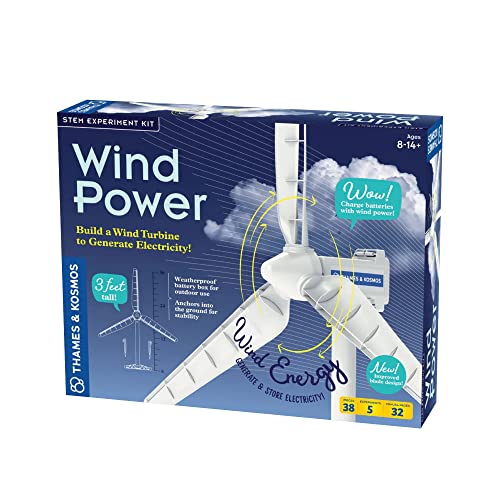
- 3-foot real working turbine for outdoor STEM experiments
- Weatherproof battery box and ground stakes for outdoor use
- Charges a battery and can power a small model car
Best For: Families and STEM learners who want a weather-ready beginner wind-energy kit.
Best Blade Upgrade for DIY Turbines
Marsrock 58CM Carbon Fiber Nylon Blade

- Carbon-fiber-reinforced nylon for extra durability
- 58CM size fits many horizontal DIY turbine builds
- Blade-only format for custom replacements
Best For: DIY builders replacing or upgrading blades on a horizontal wind turbine setup in demanding conditions.
Best STEM Wind Demo
Thames & Kosmos Wind Power V5.0 STEM Kit

- 3-foot model turbine for hands-on learning
- Improved hub and gearing for indoor/outdoor testing
- Stores electricity to power a model car
Best For: Kids, families, and classrooms learning wind energy through a build-it-yourself experiment.
Best for Low-Wind Starts
400W 12V 5-Blade Wind Turbine Kit

- Starts at 2.5 m/s for earlier power generation
- Lightweight nylon carbon-fiber blades resist corrosion
- Yaw system helps capture changing wind direction
Best For: RV, boat, cabin, and hybrid solar-wind users who want a compact starter turbine.
Best for Decorative Wind Power
DIY Small Wind Turbine Light Kit

- Wind-powered LED strip adds motion and color to the yard.
- Built with a brushless motor and weather-resistant materials.
- Easy DIY setup for railings, gardens, or other open areas.
Best For: DIY buyers who want a decorative wind-powered light for exposed outdoor spaces.
Best for High-Wind Output

- 360° wind capture helps in shifting conditions
- Built with galvanized aluminum alloy for durability
- Wide 2.5–25 m/s wind range supports versatile use
Best For: Homes, farms, and small commercial sites in windy areas that need a higher-capacity turbine kit.
Best High-Wind Starter Kit – VEVOR 800W Wind Turbine Generator
If you need a practical wind turbine tower for high wind areas, this VEVOR 800W kit is a strong match for sites with steady airflow and room to scale. It starts at just 2.5 m/s, includes an MPPT controller for better energy capture, and is aimed at homes, farms, RVs, and boats where wind is reliable. Just note that the tower pole is not included, so you’ll need to plan for a compatible mount.
Best For: Buyers who want an 800W 12V turbine kit for windy properties and off-grid setups, with a separate tower or pole solution.
Pros:
- 800W output with MPPT control for improved charging efficiency
- Low 2.5 m/s startup speed suits consistently windy locations
- Durable fiberglass nylon blades and corrosion-resistant aluminum body
- Quiet 58 dB operation with dual bearings for smoother running
Cons:
- Tower pole is not included, adding to total install cost
- Best results depend on a properly sized tower in exposed wind conditions
- May be more turbine than casual users need for light-duty backup power
This is a solid pick if you’re building a wind turbine tower for high wind areas and want a capable kit that can benefit from stronger gusts. The main tradeoff is the missing tower, but for the right location it offers a useful mix of output, durability, and controller support.
Best Weatherproof Starter Kit – Thames & Kosmos Wind Power V4.0 Kit
If you’re comparing a wind turbine tower for high wind areas, this STEM kit is a strong educational pick because it gives you a real 3-foot turbine to test outdoors. It is designed to teach renewable energy basics while handling more rugged use than a typical tabletop model, thanks to its weatherproof battery box, single-piece blades, and ground stakes.
Best For: Kids, families, and STEM learners who want a hands-on wind-energy project they can actually set up outside.
Pros:
- 3-foot turbine with single-piece blades for better durability and aerodynamics
- Weatherproof battery box can stay outside during experiments
- Includes stakes to help secure the tower to the ground
- Can generate electricity to charge a battery and power a small model car
Cons:
- More of an educational kit than a true high-output turbine
- Best results still depend on strong, consistent wind conditions
For buyers who want a practical learning setup, this kit offers a solid balance of outdoor readiness and renewable-energy education. It is not a heavy-duty wind turbine tower for high wind areas, but it does provide a sturdier, more weather-ready platform than many beginner kits.
Best Blade Upgrade for DIY Turbines – Marsrock 58CM Carbon Fiber Nylon Blade
If you need a tougher replacement blade for a wind turbine tower for high wind areas, this Marsrock 58CM rotor blade is built for DIY horizontal-axis builds that prioritize strength and stable performance. The carbon-fiber-reinforced nylon construction is a practical fit when you want a durable blade option without stepping up to a full premium turbine kit.
Best For: DIY users upgrading or replacing blades on a horizontal wind turbine generator, especially where durability and weather exposure matter.
Pros:
- High-strength carbon fiber and nylon blend for added toughness
- 58CM length suits many DIY horizontal turbine assemblies
- Lightweight design helps reduce stress on the rotor system
- Good replacement option for custom windmill projects
Cons:
- Blade-only product, so it is not a complete turbine
- DIY compatibility depends on your hub and generator setup
- Single-piece replacement may not suit first-time installers
For builders looking to reinforce a wind turbine tower for high wind areas, this blade makes sense as a durable component in a carefully matched system. It is not a turnkey solution, but it can be a solid upgrade if you already have the right frame, hub, and generator.
Best STEM Wind Demo – Thames & Kosmos Wind Power V5.0 STEM Kit
If you’re comparing options for a wind turbine tower for high wind areas, this Thames & Kosmos kit is a smart educational pick rather than a full-scale outdoor turbine. It’s built to teach wind-energy basics with a 3-foot model, updated blade hub, and gear ratio that help it perform better with indoor fans and breezier outdoor conditions.
Best For: Kids, families, and classrooms that want a hands-on wind power project with real electricity-generation lessons.
Pros:
- Updated design improves performance for indoor and outdoor testing.
- Generates and stores electricity to power a model car.
- Clear 32-page manual makes assembly and concepts easy to follow.
Cons:
- It’s a STEM model, not a functional turbine tower for high-wind installation.
- Performance depends on wind or fan strength, so results can vary.
Overall, this is a strong learning tool if your goal is understanding how wind power works, but it’s not the right choice if you need a real wind turbine tower for high wind areas. Think of it as an engaging demo kit that makes renewable energy tangible and fun.
Best for Low-Wind Starts – 400W 12V 5-Blade Wind Turbine Kit
If you need a practical wind turbine tower for high wind areas, this 400W 12V kit stands out more for its low start-up speed and efficient blade design than for brute-force output. It’s a sensible pick for marine, RV, cabin, or small hybrid solar-wind setups where you want a compact turbine that can capture usable power without a complicated install.
Best For: RV, boat, cabin, and home users who want a compact 12V turbine that starts in lighter wind and fits a hybrid solar-wind system.
Pros:
- Starts at a low 2.5 m/s, which helps in areas with inconsistent wind.
- Five long nylon carbon-fiber blades are lightweight, durable, and corrosion resistant.
- Yaw adjustment and tail fin help the rotor track wind direction automatically.
- Three-phase permanent magnet generator is built for compact, efficient output.
Cons:
- 400W output is better for supplemental power than full off-grid replacement.
- High-wind installations still depend on proper tower height and mounting hardware.
This kit is a good fit if you want a small turbine that can contribute power reliably in a wind turbine tower for high wind areas, but it makes the most sense as part of a hybrid system rather than a standalone solution.
Best for Decorative Wind Power – DIY Small Wind Turbine Light Kit
If you want a simple accent piece that turns steady breezes into backyard lighting, this DIY kit is a playful pick. It works best in an open installation, which makes it a practical fit for a wind turbine tower for high wind areas where airflow is more consistent and the lights can stay active more often.
Best For: DIY-minded buyers who want a decorative wind-powered light feature for an exposed yard, railing, or garden space.
Pros:
- Wind-powered strip lights create a lively decorative effect without batteries or external power.
- Brushless motor, ASA/PC blades, and rain-resistant construction are built for outdoor use.
- Simple installation with included flange and screws for railings or other open spots.
- Tail vane helps it adapt to changing wind direction.
Cons:
- Lighting output depends heavily on wind strength.
- More of a decorative novelty than a true power-generating solution.
- Requires an open, well-exposed location to perform well.
As a garden accent, this kit is more about fun and visibility than serious energy production, but that’s exactly what makes it appealing. For buyers evaluating a wind turbine tower for high wind areas, it offers a lightweight way to test windy placement while adding color to the yard.
Best for High-Wind Output – 5000W 48V Wind Turbine Kit
If you need a wind turbine tower for high wind areas, this 5000W 48V kit is aimed at buyers who want a durable, all-directional system that can keep producing across a wide wind range. Its elevated mounting height, 3-blade design, and quiet permanent magnet generator make it a practical option for homes, small businesses, and off-grid projects where reliable wind capture matters more than compact size.
Best For: Homes, farms, and light industrial setups in windy locations that need a high-capacity turbine kit with flexible application.
Pros:
- 360° all-directional blade setup helps capture changing wind from multiple angles.
- Durable galvanized aluminum alloy construction is built for harsher weather conditions.
- Wide operating range supports use from about 2.5 to 25 m/s wind speeds.
- Quiet low-noise generator design is friendlier for residential installs.
Cons:
- Not a plug-and-play solution; installation and tower planning take effort.
- May be oversized for small properties with inconsistent wind.
- Performance depends heavily on proper tower height and site exposure.
This is a solid pick if your priority is dependable wind capture in exposed locations, especially when a wind turbine tower for high wind areas is part of the plan. It fits best where mounting height, weather resistance, and broad operating range are more important than a lightweight, minimal setup.
How We Picked the Best Wind Turbine Tower for High Wind Areas
We looked for options that make sense for windy sites, including stronger construction, practical mounting needs, and system sizes that match home, RV, DIY, or demonstration use. We also favored products with clearer compatibility details, controller support, and balanced power claims.
Quick Comparison
If you want the simplest path, smaller kits are best for learning, decoration, or light charging, while higher-wattage systems are aimed at more serious off-grid or backup use. Blade count, controller quality, and tower compatibility matter as much as raw wattage.
Key Buying Factors for Wind Turbine Tower for High Wind Areas
Stability and Structural Strength
In high-wind locations, tower rigidity is critical. Look for designs that can handle sustained gusts without excessive sway, because vibration can shorten the life of the turbine and its hardware.
Compatibility with Turbine Size
Match the tower to the rotor diameter, total system weight, and mounting pattern. A tower that is too light for the turbine can create safety and performance issues, especially in exposed areas.
Controller and Electrical Match
Make sure voltage, charge controller, and battery system are aligned. A good Wind Turbine Tower for High Wind Areas is only useful when the electrical side can safely manage higher, more variable output.
Maintenance Access
Choose a setup that allows inspection of bolts, guy wires, blades, and wiring. In windy climates, routine checks help catch loosening hardware before it becomes a problem.
Use Case and Power Goals
Not every buyer needs the same thing. Small kits are better for educational projects or decorative installations, while larger systems are more appropriate for serious charging and off-grid planning.
Who Should Buy Which Wind Turbine Tower for High Wind Areas?
Choose a smaller wind kit if you want a learning project, a backyard display, or a low-commitment introduction to wind power. Choose a midrange 12V or 400W system if you need practical charging for marine, RV, or light home backup use. Choose a higher-capacity 48V system if your priority is stronger energy production and you have the space, hardware, and installation experience to support it.
If you are buying specifically for a windy location, prioritize tower stability, safe mounting, and system compatibility over marketing wattage alone. That approach will give you a more reliable setup and a better long-term result.