A portable power station can add a little range to a Tesla when a wall outlet is out of reach. It is a backup plan for reaching a nearby charger, not a substitute for one.
These six options span 2,048Wh to 3,840Wh. Before choosing by battery size alone, check whether the station can continuously power your charging setup—and how much usable energy will actually reach the car.
Best 6 Portable Power Station for Tesla Charging Picks for 2026
Best for Wheeled Backup
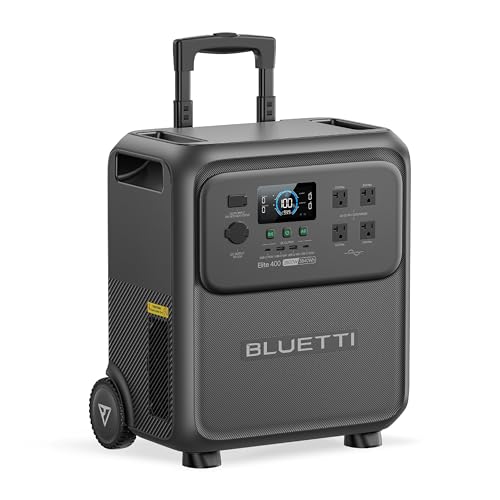
- 3,840Wh LiFePO4 capacity
- 2,600W AC output; nine ports
- Wheeled, 86-pound design
Best For: Movable home and campsite backup
Best for Expandable Home Backup

- 3,584Wh starting capacity
- 3,600W AC output
- Wheels and telescopic handle
Best For: Expandable household outage backup
Best for Direct EV Connection

- NEMA 14-50 EV-charging outlet
- 6,000W, 120V/240V AC output
- 3,840Wh expandable capacity
Best For: Limited Tesla charging and home backup
Highest Rated Output

- 2,048Wh LiFePO4 battery; 3,000W rated output
- Expandable to 10kWh with extra batteries
- 49 lb; Tesla charging compatibility unconfirmed
Best For: Higher-output backup with room to expand
Lightest Listed Option
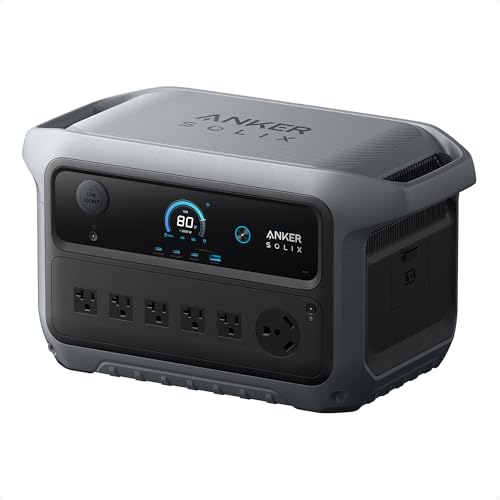
- 2,048Wh battery; 2,400W rated output
- 41.7 lb and expandable to 4kWh
- Tesla charging performance not specified
Best For: Portable road-trip and backup power
Quick-Recharge Backup

- 2,048Wh LiFePO4 battery; 2,400W rated output
- Advertised 0–80% recharge in 1.13 hours
- Tesla charging compatibility unconfirmed
Best For: Fast-recharging home and RV backup
Best for Wheeled Backup – BLUETTI Elite 400
If you’re comparing a portable power station for Tesla charging, the BLUETTI Elite 400 is better viewed as backup power for your home or campsite. Its 3,840Wh battery and 2,600W AC output are substantial, but the supplied specifications list 120V output and do not establish a Tesla-charging setup.
Best For: Buyers who want a wheeled power station for appliances, outages, and off-grid use rather than a documented EV-charging solution.
Pros:
- 3,840Wh LiFePO4 battery with a stated 3,000-plus cycles.
- 2,600W AC output and nine ports for varied backup loads.
- Trolley design helps move its 86-pound body; AC and solar charging are supported.
Cons:
- No dedicated EV-charging outlet or Tesla compatibility is specified.
- At 86 pounds, it still takes planning to transport.
Choose this model for movable household backup. If charging your Tesla is the priority, verify outlet type, grounding requirements, and vehicle-charging compatibility before buying.
Best for Expandable Home Backup – Jackery HomePower 3600 Plus
For shoppers searching for a portable power station for Tesla charging, the Jackery HomePower 3600 Plus offers plenty of home-backup output, but its supplied specifications do not describe an EV-charging connection. It pairs a 3,584Wh battery with 3,600W AC output and a wheeled, luggage-style design.
Best For: Households prioritizing expandable outage backup and easier room-to-room movement.
Pros:
- 3,600W AC output and 3,584Wh starting capacity.
- Capacity can expand to a stated 21kWh per unit with additional equipment.
- Wheels and a telescopic handle help move its 77.2-pound body.
Cons:
- The listed output is 120V, and no dedicated EV outlet or Tesla-charging compatibility is specified.
- Expansion requires additional equipment beyond the base unit.
This is a practical pick for scalable household backup, not a confirmed way to charge a Tesla. Check the exact outlet and charging requirements before considering it for an EV.
Best for Direct EV Connection – Anker SOLIX F3800
The Anker SOLIX F3800 is the clearest portable power station for Tesla charging in this group: its supplied notes explicitly describe EV charging through a NEMA 14-50 port using an EV charging cable. It offers 3,840Wh of onboard capacity, 120V/240V output, and up to 6,000W AC output.
Best For: Tesla owners seeking a documented EV-charging outlet for limited backup energy, alongside home or RV power.
Pros:
- NEMA 14-50 outlet is specifically described for EV charging with a compatible charging cable.
- 6,000W AC output and 120V/240V capability.
- 3,840Wh capacity can expand with optional battery packs.
Cons:
- At 132.3 pounds, it is the heaviest option here.
- The base unit’s 3.84kWh capacity limits how much energy it can add to an EV; expansion packs cost extra.
This is the most relevant pick if EV charging is your main criterion, but don’t confuse its 6,000W output with 6,000Wh of stored energy. Confirm your charging cable, vehicle settings, and expected charging losses before relying on it for extra driving range.
Highest Rated Output – EcoFlow DELTA 3 Max Plus
If you’re comparing a portable power station for Tesla charging, the DELTA 3 Max Plus offers a 2,048Wh battery and 3,000W rated output. Those specs make it worth investigating for a limited emergency top-up, but the supplied information does not confirm Tesla charging compatibility or how many miles it could add.
Best For: Buyers who also want higher-output home or RV backup and expandable storage.
Pros:
- 3,000W rated output and 2,048Wh LiFePO4 battery.
- Capacity can expand to 10kWh with compatible extra batteries.
- Supports AC, solar, car, Smart Generator, and combined PV-plus-car recharging.
Cons:
- At 49 lb, it is the heaviest of these three models with a listed weight.
- No Tesla charging rate or compatibility is specified.
Its expandable capacity is the main reason to consider it over a basic 2kWh unit. Before buying it for a Tesla, verify the vehicle’s charging requirements, the power station’s AC output configuration, and the charging equipment you plan to use.
Lightest Listed Option – Anker SOLIX C2000 Gen 2
For shoppers seeking a portable power station for Tesla charging, the SOLIX C2000 Gen 2 pairs a 2,048Wh battery with 2,400W rated output in a 41.7 lb unit. Its smaller listed size helps with transport, though the supplied notes do not establish Tesla charging compatibility or a vehicle charging rate.
Best For: Buyers prioritizing a more portable station for road trips, camping, and general backup.
Pros:
- 41.7 lb listed weight and 18.1 × 9.8 × 10.1-inch dimensions.
- 2,400W rated output and expansion to 4kWh with an added battery.
- Advertised full recharge in 58 minutes using AC and solar.
Cons:
- Its 2,400W rated output is lower than the DELTA 3 Max Plus’s 3,000W rating.
- No Tesla-specific charging performance is provided.
This is the mobility-focused choice among the three based on the supplied weights. Treat its vehicle-charging potential as unverified until you check outlet specifications and your Tesla charging equipment.
Quick-Recharge Backup – EcoFlow DELTA 3 Max
The DELTA 3 Max is another 2,048Wh portable power station for Tesla charging shoppers to compare, with 2,400W rated output and a stated 0–80% recharge time of 1.13 hours. It is designed for backup and RV use, but the supplied notes do not verify Tesla compatibility or estimate added driving range.
Best For: Buyers who want a fast-recharging station for home and RV essentials.
Pros:
- 2,048Wh LiFePO4 battery and 2,400W rated output.
- Advertised 0–80% recharge in 1.13 hours.
- 10ms transfer time and app-based monitoring and scheduling.
Cons:
- X-Boost’s advertised 3,400W figure is not its 2,400W rated output.
- No Tesla-specific charging rate or compatibility is listed.
This model makes the most sense when backup features matter beyond a possible emergency vehicle top-up. Confirm its AC outlet configuration and your charging equipment’s requirements rather than relying on the X-Boost figure to judge EV charging suitability.
How We Picked the Best Portable Power Station for Tesla Charging
We focused on the specifications that matter for emergency Tesla charging: battery capacity, continuous AC output, and the practicality of moving and recharging the unit. The six selected models range from 2,048Wh to 3,840Wh, with listed outputs from 2,400W to 3,600W where an output figure is provided. Published watt-hours are not the same as energy delivered to the car: inverter and charging losses reduce the usable amount.
Specifications alone do not confirm Tesla compatibility. Before buying, verify the station’s AC outlet type and rating, its continuous-output limits, and whether your Tesla Mobile Connector and vehicle will accept power from that station.
Quick Comparison: Capacity and Output
For the largest single-unit energy reserves in this group, compare the BLUETTI Elite 400 and Anker SOLIX F3800 at 3,840Wh with the Jackery HomePower 3600 Plus at 3,584Wh. BLUETTI lists 2,600W output; Jackery lists 3,600W. Confirm the F3800’s relevant outlet and continuous-output specifications for your charging setup rather than judging it by capacity alone.
The EcoFlow DELTA 3 Max Plus, Anker SOLIX C2000 Gen 2, and EcoFlow DELTA 3 Max are each listed at 2,048Wh. Their stated outputs are 3,000W, 2,400W, and 2,400W, respectively. Higher wattage can support a higher charging draw, but it does not create more stored energy.
Key Buying Factors for a Portable Power Station for Tesla Charging
Usable Energy and Expected Range
Think in kilowatt-hours, not a promised number of miles. A 2,048Wh battery stores about 2.0kWh before losses; a 3,840Wh battery stores about 3.8kWh. The car receives less after AC conversion and onboard charging losses, and miles gained vary with the vehicle and driving conditions. Expect a modest emergency top-up, not a substantial refill.
Outlet Compatibility and Continuous Power
Match the station’s outlet to your charging equipment and check the outlet’s continuous rating, not just the station’s headline inverter rating. Set the car’s charge-current limit low enough to stay within that rating. If the car refuses to charge, the issue may be the power station’s grounding arrangement; do not defeat grounding or use improvised adapters to make it work.
Portability and Recharging
Larger batteries offer more potential range but take more effort to transport. Consider where the unit will ride in your vehicle and how you will recharge it after use. If you plan to rely on solar, check the station’s solar-input limits and your panels’ practical output.
Who Should Buy Which Portable Power Station for Tesla Charging?
Choose from the roughly 3.6–3.8kWh models if maximizing emergency energy matters more than carrying convenience; compare their outlets and output before deciding. Consider the 2,048Wh models if you also want a power station for camping or home backup and only need a small driving buffer. If you need dependable, repeatable Tesla charging or meaningful range, a dedicated EV charging source is the better plan.