A LiFePO4 battery bank for home use can keep essentials running when the power goes out—without the noise or exhaust of a gas generator. The right size depends on what you need to power and for how long.
These seven options range from compact stations for phones and routers to higher-capacity units for refrigerators and other household essentials. Compare usable capacity, outlet output, and charging options before you buy.
Best 7 Lifepo4 Battery Bank for Home Picks for 2026
Best for Home Essentials
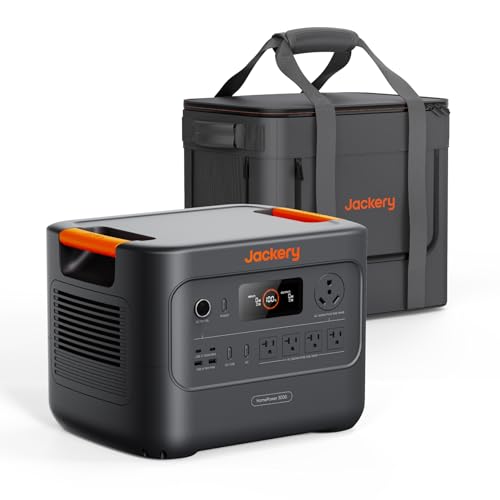
- 3,072Wh LiFePO4 capacity
- 3,600W output; 7,200W surge
- UPS switches within 20ms
Best For: Higher-capacity backup for essential home appliances
Best Mid-Size Portable Backup

- 1,070Wh capacity; 1,500W AC output
- Weighs 23.8 pounds
- One-hour app-enabled emergency charge
Best For: Portable backup for selected devices and appliances
Best for Device Charging

- 230Wh capacity; 300W output
- 100W USB-C input and output
- Seven device connections
Best For: Charging electronics during short outages
Best Lightweight Emergency Kit

- 192Wh capacity; 300W AC output
- About 5.7 pounds
- 60W USB-C and built-in LED light
Best For: Compact backup for low-wattage essentials
Fast-Recharge Home Backup
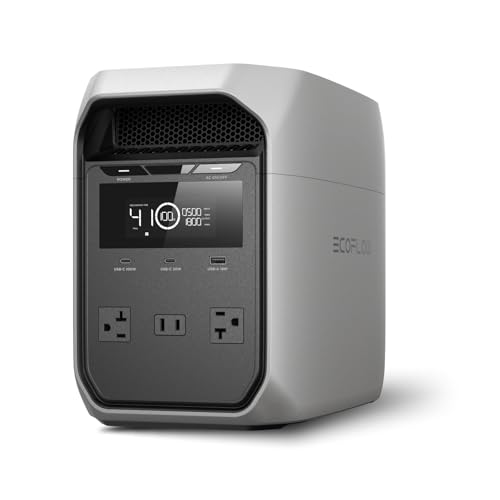
- 1,024Wh capacity and 1,800W AC output
- 0–80% AC charge in 45 minutes
- Under-10ms battery switchover
Best For: Portable outage backup with quick recharging
Compact Device Backup
Daran 89.6Wh Portable Power Station

- 89.6Wh LiFePO4 battery; 100W AC output
- 2.54-pound design with seven output ports
- Fanless operation and built-in flashlight
Best For: Low-power devices during short outages
Expandable Home Backup

- 1,024Wh base capacity; expands up to 5kWh
- 1,800W AC output
- Rated for 4,000 cycles to 80% capacity
Best For: Portable backup with room to add storage
Best for Home Essentials – Jackery HomePower 3000
If you need a LiFePO4 battery bank for home outages, the Jackery HomePower 3000 has the capacity and output to back up essentials such as a refrigerator, lights, and a Wi-Fi router. Its 3,072Wh battery and 3,600W output make it the largest backup option in this group.
Best For: Households prioritizing higher-capacity portable backup for essential appliances.
Pros:
- 3,600W output with 7,200W surge capacity.
- UL-certified UPS switches within 20ms for connected essentials.
- LiFePO4 battery is rated for 4,000 cycles to 70% capacity.
- Recharges in 2.2 hours via AC, according to Jackery.
Cons:
- At 59.5 pounds, it is considerably heavier than the smaller stations here.
- Solar charging requires compatible panels; two 200W panels are specified for the stated solar charging estimate.
This is the strongest fit here for appliance-focused backup, provided you have room to store and move a 59.5-pound unit. The included carrying bag helps with transport, but it does not make this a lightweight grab-and-go choice.
Best Mid-Size Portable Backup – Jackery Explorer 1000 v2
The Jackery Explorer 1000 v2 is a more portable LiFePO4 battery bank for home essentials when you do not need a 3kWh station. Its 1,070Wh capacity, 1,500W AC output, and 23.8-pound weight offer a practical balance for outages and trips.
Best For: Buyers who want backup for selected devices and appliances in a unit they can also take camping.
Pros:
- 1,500W AC output with a 3,000W surge rating.
- Three AC outlets, two USB-C ports, USB-A, and a DC car port.
- LiFePO4 battery retains over 70% capacity after 4,000 cycles, according to Jackery.
- One-hour full recharge is available when emergency charging is enabled in the app.
Cons:
- Less capacity and output than the HomePower 3000 for extended appliance backup.
- Solar charging is compatible only with Jackery solar panels; a panel is not included.
Choose this model if portability matters as much as outage readiness. Its default 1.7-hour full-charge mode is the simpler everyday setting; the faster one-hour mode must be enabled in the app before each use.
Best for Device Charging – VTOMAN FlashSpeed 300
The VTOMAN FlashSpeed 300 is a compact LiFePO4 battery bank for home use when your outage plan centers on charging electronics rather than running large appliances. It pairs a 230Wh battery and 300W output with a 100W USB-C port that works for both input and output.
Best For: Keeping phones, laptops, lights, and other small devices powered during short outages or trips.
Pros:
- Seven connections include two AC outlets, 100W USB-C, three USB-A ports, and a DC port.
- LiFePO4 battery is rated for more than 3,000 cycles.
- Reaches about 80% charge in two hours through 100W USB-C input.
- Includes an LED light with steady, strobe, and SOS modes.
Cons:
- 230Wh capacity and 300W output limit its role in home appliance backup.
- Solar charging is supported, but a solar panel is not listed among the included accessories.
This is a useful small-device station, especially if you value the dual-purpose USB-C port and multiple charging options. Check your equipment’s wattage before relying on either AC outlet.
Best Lightweight Emergency Kit – DaranEner NEOZ2
For a small LiFePO4 battery bank for home emergencies, the DaranEner NEOZ2 focuses on portable power for low-wattage essentials. Its 192Wh battery, 300W pure sine wave AC output, and roughly 5.7-pound weight suit a compact outage kit.
Best For: Phones, laptops, lights, and other devices that stay within the 300W output limit.
Pros:
- Two AC outlets plus 60W USB-C, two USB-A ports, and a 12V DC output.
- LiFePO4 battery is rated for more than 3,500 cycles.
- Built-in battery management system protects against overcharging, overheating, and short circuits.
- Integrated LED light includes an SOS mode.
Cons:
- 192Wh capacity is limited for extended outages.
- Not suitable for appliances exceeding 300W or drawing high startup power.
- Solar panel and car charging cable are not included.
Keep this one for personal electronics and modest loads, not refrigerators or high-wattage kitchen appliances. Its small size makes it easier to store where you can find it when the lights go out.
Fast-Recharge Home Backup – EcoFlow DELTA 3 Classic
If you want a portable LiFePO4 battery bank for home outages, the EcoFlow DELTA 3 Classic pairs 1,024Wh of storage with 1,800W AC output. Its six outlets can support essentials such as a refrigerator, laptop, or other compatible appliances.
Best For: Households that want a portable backup station with quick wall charging and a fast battery switchover for connected electronics.
Pros:
- Charges from 0–80% in 45 minutes via AC.
- Switches to battery in under 10ms for connected devices.
- LiFePO4 cells, app controls, and optional 500W solar charging add flexibility.
Cons:
- Its 1,024Wh capacity calls for careful planning during longer outages.
- Not compatible with DELTA 2 Smart Extra Battery or DELTA 3 Series Smart Extra Battery.
The Classic is a strong fit when charging speed and switchover matter more than building an expandable battery system. Check the wattage of the appliances you plan to run before relying on it for backup.
For shoppers seeking a small LiFePO4 battery bank for home device charging, this Daran station offers 89.6Wh of capacity in a 2.54-pound package. Its 100W AC output is suited to low-power electronics rather than household appliances.
Best For: Keeping phones, USB-C laptops, lights, and other low-wattage devices charged during short outages or camping trips.
Pros:
- Compact, lightweight design with a carry handle.
- Seven output ports include two AC sockets, USB-C, USB-A, and DC.
- Fanless operation, an LED flashlight, and 0–80% charging in 1.5 hours.
Cons:
- 89.6Wh capacity and 100W AC output limit runtime and appliance choice.
- Solar panel and cable are not included.
This is a convenient device-level backup, not a substitute for a larger home power station. Check each device’s power draw against the 100W limit before plugging it in.
If your LiFePO4 battery bank for home needs may grow, the EcoFlow DELTA 3 starts with 1,024Wh and supports expansion up to 5kWh using compatible EcoFlow battery packs. Its 1,800W AC output and multiple interfaces make it a versatile portable backup option.
Best For: Buyers who want a portable station now with the option to add compatible battery capacity later.
Pros:
- Expandable from 1kWh to 5kWh with compatible extra batteries.
- Reaches 80% charge in as little as 30 minutes using the stated charging setup.
- LiFePO4 cells are rated for 4,000 cycles to 80% capacity.
Cons:
- Additional battery packs are needed to reach higher capacities.
- The included 1,024Wh alone may be insufficient for extended outages.
The DELTA 3 makes the most sense if expandability is part of your plan. Its fast recharge and 1,800W AC output are useful immediately, while extra storage remains an optional purchase.
How We Picked the Best Lifepo4 Battery Bank for Home
We focused on the seven selected portable power stations and compared their stated battery capacity, AC output, portability, and suitability for common home-backup tasks. Capacity in watt-hours (Wh) helps estimate runtime; AC output in watts (W) determines what a station can run at one time. We also considered the value of solar-input options and practical features such as USB-C ports. Specifications are a starting point, not a promise of runtime: inverter losses, appliance cycling, and operating conditions all affect results.
Quick Comparison
The Jackery HomePower 3000 is the largest listed option at 3,072Wh with 3,600W output, making it the strongest fit here for longer backup or higher-demand appliances. The EcoFlow DELTA 3 and DELTA 3 Classic each list 1,024Wh and 1,800W, while the Jackery Explorer 1000 v2 lists 1,070Wh and 1,500W; these are more manageable choices for a short outage and a few essentials. At the compact end, the VTOMAN FlashSpeed 300 lists 230Wh and 300W, the DaranEner unit lists 192Wh and 300W, and the Daran unit lists 89.6Wh and 100W. Those smaller stations are better suited to electronics than major appliances.
Key Buying Factors for a Lifepo4 Battery Bank for Home Use
Capacity and Runtime
List the devices you want to run, note their wattage, and multiply by the hours you need them. For example, a device drawing 50W for eight hours uses about 400Wh before conversion losses. Leave a margin rather than matching the station’s advertised capacity exactly. A small unit may cover phones, lights, or a router; a refrigerator typically calls for more capacity, particularly if you need it running through the night.
Output and Outlets
Check both continuous AC output and any stated surge rating. Motors and compressors can briefly draw more power when starting. Confirm that the station has enough AC outlets and suitable USB ports for your setup, and check each appliance’s label instead of assuming its size tells you its power draw.
Recharging and Setup
Consider how you will recharge during an extended outage: wall power is convenient between outages, while compatible solar panels may help when the grid stays down. Check supported solar-input specifications and panel compatibility before purchasing. Portable stations generally power devices plugged directly into them; connecting one to home circuits requires an appropriate, professionally installed setup. Never backfeed a household outlet.
Who Should Buy Which Lifepo4 Battery Bank for Home?
Choose the HomePower 3000 if your priority is more stored energy and higher AC output, and its size suits your storage space. Consider the 1,024–1,070Wh EcoFlow or Jackery models for a balance of backup capability and portability; compare their charging features and outlet layouts to break the tie. Pick the VTOMAN or 192Wh DaranEner for modest electronics backup, or the 89.6Wh Daran when a small, easy-to-store unit matters most. If whole-home power is your goal, look beyond these portable stations to a properly sized installed system.