As a smart homeowner, you know the importance of efficient energy solutions. When it comes to EV charging, integrating energy management features can enhance your home’s performance and reduce costs. From the Tesla Universal Wall Connector to the SIEMENS Inhab Load Manager, these systems offer advanced capabilities. But how do you choose the right one for your needs? Let’s explore the top contenders and what makes them stand out for your home.
Tesla Universal Wall Connector – Home Electric Vehicle Charger

The Tesla Universal Wall Connector is an ideal choice for smart homeowners looking to maximize their electric vehicle charging efficiency. This Level 2 charger offers compatibility with all major North American EVs, including Tesla models, thanks to its dual plug type (NACS + J1772). With a customizable output of up to 48 amps, you can enjoy charging speeds of up to 44 miles of range per hour. The 24-foot cable provides flexibility for installation, while its versatile design suits both indoor and outdoor use. Plus, its PowerShare technology can keep your home powered during outages, making it a smart investment.
Best For: Homeowners with electric vehicles seeking a reliable and efficient charging solution compatible with all major North American EVs.
Pros:
- Customizable charging output with speeds up to 44 miles of range per hour.
- Suitable for both indoor and outdoor installation, enhancing flexibility.
- PowerShare technology allows for home power during outages (currently available for Cybertruck only).
Cons:
- Limited to compatibility with North American EVs only.
- Higher installation costs may be incurred depending on electrical infrastructure.
- Warranty for commercial use is shorter at only one year.
SIEMENS Inhab Load Manager – Intelligent Energy Management System

For homeowners looking to maximize their electrical panel capacity without incurring costly upgrades, the SIEMENS Inhab Load Manager stands out as an ideal choice. This intelligent, programmable energy management system uses real-time data to manage power consumption efficiently. By preventing system overloads, it disconnects power to designated loads when necessary, ensuring safety. It’s compatible with any brand load center and manages 2-pole loads up to 60A, perfect for EV chargers and appliances. With easy installation and a durable outdoor enclosure, the Inhab Load Manager is a smart investment for both existing homes and new constructions.
Best For: Homeowners seeking to optimize their electrical panel capacity and prevent overloads without spending on upgrades.
Pros:
- Maximizes existing electrical panel capacity, allowing homeowners to efficiently manage power consumption.
- Compatible with any brand load center and suitable for managing high-demand appliances like EV chargers and electric water heaters.
- Easy installation and durable outdoor enclosure make it suitable for both existing homes and new constructions.
Cons:
- Requires installation by a qualified person, which may incur additional costs.
- Customer reviews indicate an average satisfaction rating of 3.6 out of 5 stars, suggesting some users may have experienced issues.
- Limited to managing 2-pole loads up to 60A, which may not meet the needs of all high-demand appliances or systems.
Tesla Remote Meter for Wall Connector (NACS EV Charger)
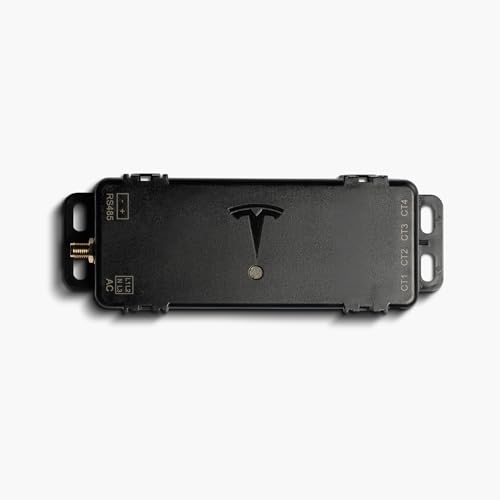
Smart homeowners looking to optimize their EV charging experience will appreciate the Tesla Remote Meter, an essential component for the Wall Connector (NACS EV Charger). This device enables Dynamic Power Management, allowing you to charge your Tesla safely at maximum efficiency without needing to upgrade your electrical panel. With easy installation by a certified electrician, the Remote Meter works seamlessly with both the Tesla Wall Connector and Universal Wall Connector. It operates efficiently in a wide temperature range and includes everything you need for setup. Elevate your home’s energy management with this smart charging solution today!
Best For: Smart homeowners looking to optimize their EV charging experience without needing to upgrade their electrical panels.
Pros:
- Dynamic Power Management adjusts charge rates in real-time for maximum efficiency.
- Compatible with both Tesla Wall Connector and Universal Wall Connector, catering to various EV models.
- Easy installation by a certified electrician ensures seamless integration into existing home systems.
Cons:
- Installation may not be necessary for many homes, leading to potential unnecessary purchases.
- Requires consultation with an electrician, which could add to overall costs and time.
- Limited to use with Gen 3 Wall Connector and Universal Wall Connector, restricting compatibility with older models.
EVIQO Level 2 EV Charger (48 Amp, 240V)

Homeowners seeking an efficient and powerful charging solution will find the EVIQO Level 2 EV Charger (48 Amp, 240V) an excellent option. With an impressive 11.5 kW output, it fully recharges most EVs overnight, making it perfect for daily use. The smart app allows you to control charging, track consumption, and schedule off-peak charging to save on costs. Its weatherproof design guarantees durability, while the 25-foot cable offers flexibility in installation. Plus, you’ll enjoy peace of mind with a three-year warranty and access to U.S.-based customer support. It’s a smart investment for every EV owner.
Best For: Homeowners with electric vehicles looking for a reliable and efficient charging solution that provides fast charging and smart features.
Pros:
- Fast charging capability with 11.5 kW output, fully recharging most EVs overnight.
- Smart app control for monitoring and scheduling charging to save on energy costs.
- Durable weatherproof design, suitable for various environmental conditions.
Cons:
- Requires professional installation by a licensed electrician.
- Limited compatibility for Tesla EVs without a separate adapter (J1772-to-NACS).
- Hardwired installation may not be suitable for renters or those who frequently move.
Tesla Wall Connector – Home Electric Vehicle Charger
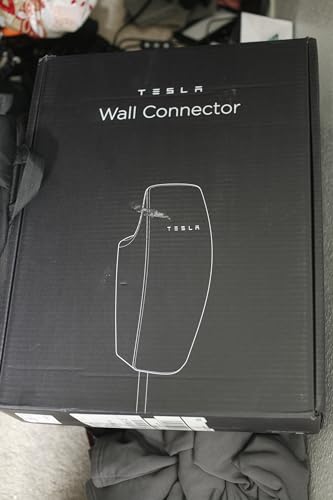
The Tesla Wall Connector is an ideal choice for Tesla owners seeking a powerful and efficient home charging solution. It delivers up to 44 miles of range per hour with an impressive output of 48 amps, making it perfect for all Tesla models. You can customize the amperage settings to suit your needs, and enjoy the convenience of Wi-Fi connectivity for updates and remote access. Plus, you can connect up to six units for simultaneous charging. Weighing just 11.4 pounds, it’s easy to install indoors or outdoors. With high ratings and a solid warranty, it’s a top choice for your home.
Best For: Tesla owners looking for a powerful and efficient home charging solution that offers customization and connectivity features.
Pros:
- High Charging Speed: Delivers up to 44 miles of range per hour, making it quick and efficient.
- Customizable Amperage: Allows users to adjust the output to match their specific charging needs.
- Wi-Fi Connectivity: Enables over-the-air updates and remote access for convenience.
Cons:
- Installation Required: May require professional installation, which can add to overall costs.
- Limited to Tesla Models: Only compatible with Tesla vehicles, limiting its use for other electric cars.
- Higher Initial Investment: Upfront cost may be higher compared to basic charging options.
Smart Level 2 EV Charger with Wi-Fi and OCPP Compatibility

For tech-savvy individuals looking to optimize their EV charging experience, the Smart Level 2 EV Charger by ELECQ stands out with its Wi-Fi and OCPP compatibility. Delivering up to 38 miles of range per hour, this charger is seven times faster than Level 1 options. Its Active Load Management and solar charging modes help you save on energy costs while ensuring safety with features like surge protection and weatherproofing. Control your charging remotely through the Elecq app, where you can monitor energy use and schedule sessions during off-peak rates. Plus, it’s easy to install and backed by 24/7 support.
Best For: Tech-savvy EV owners looking for a fast, smart, and efficient charging solution with remote control features.
Pros:
- Fast Charging: Delivers up to 38 miles of range per hour, charging up to seven times faster than Level 1 chargers.
- Smart Features: Wi-Fi and OCPP compatibility allow for remote monitoring and control via the Elecq app.
- Safety and Durability: Built with surge protection, weatherproofing, and certified to meet various safety standards.
Cons:
- Installation Requirement: While it is plug-and-play, some users may need professional installation depending on their electrical setup.
- Dependency on Wi-Fi: Optimal functionality relies on a stable internet connection for remote features.
- Potential Cost: Initial investment may be higher compared to basic Level 1 chargers.
EMPORIA Pro Level 2 EV Charger with PowerSmart – 48 amp Fast EV Charger for Home

Looking for an efficient way to charge your electric vehicle at home? The EMPORIA Pro Level 2 EV Charger offers a powerful 48 amp fast charging solution. With its PowerSmart technology, you can charge without upgrading your electrical service. This charger connects to your existing panel, automating schedules to avoid peak rates while tracking usage through the Emporia app. Installation options include a NEMA 14-50 plug or hardwired connection, with resources available for setup. Plus, the included Emporia Vue provides real-time insights into your energy use, helping you save money and reduce waste while ensuring durable performance.
Best For: Homeowners looking for an efficient and flexible solution to charge their electric vehicles without the need for electrical service upgrades.
Pros:
- Fast charging capability with 48 amps ensures quick replenishment of your EV battery.
- PowerSmart technology optimizes charging schedules and balances load, helping to save on electricity costs.
- Durable and weather-resistant design ensures long-lasting performance, backed by reliable US-based customer support.
Cons:
- Installation may require professional assistance, especially for a hardwired connection.
- Higher upfront cost compared to lower amp chargers.
- Limited to J1772 compatible electric vehicles, which may not cover all EV models.
BLACKBOX 240V EV Charger (60-100A Service)
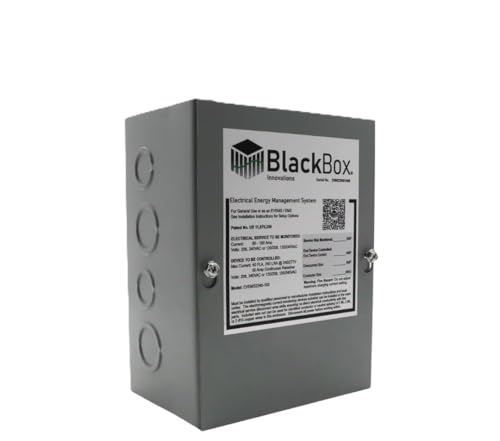
Homeowners seeking a seamless and efficient EV charging solution will find the BLACKBOX 240V EV Charger (60-100A Service) particularly appealing. This versatile charger supports multiple charging rates, accommodating various electric vehicles without needing costly electrical upgrades. Its compact design allows for easy installation, typically completed in just 30-45 minutes. With fail-safe features and compliance with SAE standards, you can trust its safety and reliability. Plus, it’s compatible with any brand of EV charger or 240V plug, making it a flexible choice for your home. Enjoy uninterrupted overnight charging and say goodbye to range anxiety with this innovative solution.
Best For: Homeowners looking for an efficient and cost-effective EV charging solution that offers versatility and safety.
Pros:
- Supports multiple charging rates to accommodate a variety of electric vehicles and charging needs.
- Quick and easy installation process, typically completed within 30-45 minutes.
- Safety features and compliance with SAE standards ensure reliability and protection against potential hazards.
Cons:
- Requires installation by a qualified electrician, which may incur additional costs.
- Limited to residential use, making it less suitable for commercial applications.
- May not support charging of higher capacity EVs at full potential without an electrical service upgrade.
BLACKBOX 240V EV Charger – Weatherproof, 60-100A Service Size

The BLACKBOX 240V EV Charger stands out as an ideal choice for environmentally conscious individuals seeking a reliable and efficient charging solution. With its weatherproof design and a service size ranging from 60 to 100A, it supports multiple charge rates to suit your needs. You won’t need costly electrical panel upgrades, as it installs in just 30-45 minutes by a qualified electrician. Its intelligent energy management features guarantee efficient charging while safeguarding against premature failures. Plus, it’s versatile enough for other applications like AC units and hot tubs, making it a smart investment for your home.
Best For: Individuals seeking a reliable and efficient EV charging solution without the need for costly electrical panel upgrades.
Pros:
- Weatherproof design ensures durability and functionality in various environmental conditions.
- Quick installation time of 30-45 minutes by a qualified electrician, saving both time and hassle.
- Versatile applications allow it to be used for charging EVs as well as other devices like AC units and hot tubs.
Cons:
- Installation requires a qualified electrician, which may incur additional labor costs.
- Limited to service sizes of 60-100A, which may not meet the needs of larger commercial applications.
- Requires electrical capacity monitoring, which may be complex for some users to understand.
Commercial EV Charging Station – OCPP-Compliant Charger

For businesses aiming to capitalize on the growing demand for electric vehicle (EV) charging, the OCPP-Compliant Commercial EV Charging Station stands out as an ideal solution. This revenue-generating charger features a rugged design and is compatible with Level 2 and DC Fast Charging. With the EV Range app, drivers can easily pay, allowing you to set custom pricing and idle fees. It’s perfect for various locations, including apartments, hotels, and retail spaces. Plus, you’ll receive monthly payouts and usage reports, making it simple to manage your charging station and maximize revenue while providing essential services to EV drivers.
Best For: Businesses looking to generate revenue while providing EV charging solutions in locations such as apartments, hotels, and retail spaces.
Pros:
- OCPP-compliant, ensuring compatibility with a wide range of EVs and networks.
- Revenue generation through customizable pricing and idle fees, along with monthly payouts.
- Rugged design with NEMA 4 enclosure, suitable for both indoor and outdoor use.
Cons:
- Pedestal for wall or pedestal mounting is not included, requiring additional purchase.
- Limited to one charging port, which may restrict usage in high-demand areas.
- Initial setup may require integration with the EV Range network and app for optimal functionality.
Factors to Consider When Choosing Ev Charging Systems With Energy Management
When you’re choosing an EV charging system with energy management, consider several key factors. You’ll want to assess charging speed and efficiency, guarantee compatibility with your EV model, and think about installation requirements. Additionally, smart features and energy management capabilities can enhance your overall experience and optimize energy use.
Charging Speed and Efficiency
Choosing the right EV charging system hinges on understanding both charging speed and efficiency, which directly impact your daily convenience and energy costs. Charging speed, measured in miles of range per hour, can vary considerably. With some Level 2 systems offering up to 44 miles of range for every hour of charging, you’ll want to take into account the output power, typically up to 11.5 kW, and current ratings between 12A and 60A. Higher amperage settings, like 48A, guarantee faster charging, allowing full recharges overnight. Smart energy management systems can optimize charging rates based on real-time data, preventing overloads and maximizing efficiency during peak and off-peak hours. Advanced chargers even feature dynamic load management for enhanced safety and efficiency.
Compatibility With EV Models
Ensuring your EV charging system is compatible with your vehicle models is essential for seamless charging experiences. Different EVs use various connector types, like NACS or J1772, so check the specifications of both your vehicle and the charger. Most home chargers support all North American EVs, but you’ll want to confirm compatibility with both Tesla and non-Tesla models. Additionally, consider chargers with customizable amperage settings, as these can impact their suitability for your vehicles. Pay attention to the charging speed capabilities too, since different models have varying maximum charge rates. If you’re thinking about future EV purchases, opt for a charger with versatile compatibility options to accommodate multiple vehicle types down the road.
Installation Requirements and Flexibility
While selecting an EV charging system, it’s important to contemplate installation requirements and flexibility. You’ll likely need a licensed electrician to guarantee compliance with local codes, especially for hardwired connections or higher amperage outputs. Many chargers offer flexible installation options, including plug-and-play designs or hardwired setups, accommodating various electrical panel configurations. Verify that the system is compatible with your existing electrical infrastructure, as some can maximize panel capacity without costly upgrades through effective load management. Additionally, consider the installation environment; some chargers are specifically designed for indoor or outdoor use, impacting placement. Finally, assess your electrical service size, typically between 60A and 100A, to determine suitable charging rates and avoid overloading your system.
Smart Features and Connectivity
As you explore EV charging systems, consider how smart features and connectivity can enhance your experience and efficiency. Many smart EV chargers come with Wi-Fi connectivity, letting you control charging schedules, monitor energy consumption, and receive alerts via a mobile app. Look for systems with dynamic load management that adjusts charging rates based on your electrical panel’s available power, optimizing energy use and preventing overloads. Advanced chargers can integrate seamlessly with home energy management systems, maximizing your existing electrical capacity without costly upgrades. Some even offer solar charging modes to help you utilize renewable energy and lower charging costs. Plus, remote software updates and compatibility with energy management protocols guarantee your system remains adaptable to changing needs.
Energy Management Capabilities
Smart features and connectivity in EV charging systems naturally lead to contemplating energy management capabilities that can further enhance your charging experience. These systems can maximize your existing electrical panel capacity, preventing costly upgrades by optimizing power consumption in real-time. With dynamic load balancing, you can charge your EV at the fastest rate without additional electrical service upgrades, ensuring efficient energy use. Intelligent energy management solutions also prevent system overloads by disconnecting power to designated loads when needed, enhancing safety. Additionally, smart chargers let you schedule charging during off-peak hours, potentially saving you money through time-based energy pricing. Integrating with home energy monitors gives you real-time insights, allowing you to track consumption and automate charging schedules to reduce waste effectively.
Safety and Compliance Standards
When choosing EV charging systems with energy management features, safety and compliance standards are essential factors to take into account. Look for certifications like UL and Energy Star, which confirm that products meet safety and efficiency criteria. Verify your chosen charger complies with the National Electrical Code (NEC) for safe installation and operation. This compliance helps prevent hazards such as electrical overloads and fire risks. Additionally, check for OCPP compliance to verify interoperability between different manufacturers’ stations, enhancing your charging flexibility. Weatherproof ratings like NEMA 4 or IP66 indicate the charger’s ability to withstand various environmental conditions, guaranteeing long-term safety and reliability for your home setup. Prioritizing these standards will keep you and your home safe.
Warranty and Support Options
While exploring EV charging systems, it’s essential to evaluate the warranty and support options available. Look for warranties that range from 1 to 4 years, depending on whether you’re using the charger for residential or commercial purposes. Many manufacturers also offer a 30-day return policy, giving you flexibility if your needs change. Customer support is another key factor; some brands provide U.S.-based support during specific hours to help with any issues. Pay attention to user ratings and reviews, as they can reveal how reliable and effective the warranty and support services are. Finally, check if the warranty covers both parts and labor, and be aware of any conditions that may apply.