Reliable electricity can make an RV trip more comfortable and help keep essential appliances running during an outage. The best portable backup generators for RVs balance usable output, runtime, portability, and the right connection for your coach.
This roundup compares gas, propane, dual-fuel, and battery-powered options across several power levels. Use the buying guide below to narrow the list by RV compatibility, noise, charging needs, and emergency backup priorities.
Best 10 Portable Backup Generators for RVs Picks for 2026
Best Dual-Fuel Value
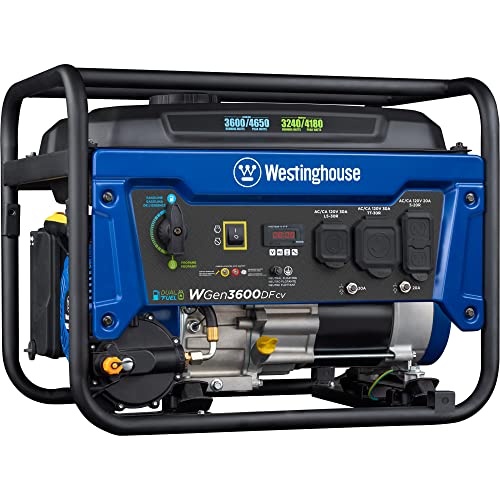
- 3,600 rated watts on gasoline
- Gasoline and propane operation
- RV-ready 30-amp outlet
Best For: RV owners seeking flexible fuel options and extended runtime
Best Large-Capacity Solar Option

- 3,584Wh battery capacity
- 3,600W AC output
- Includes two 200W solar panels
Best For: Quiet RV and campsite power with solar recharging
Best High-Output Fuel Generator

- 5,300 running watts
- RV and transfer-switch-ready outlets
- Up to 14.5 hours of runtime
Best For: High-demand RV use and backup power at home
Best Fast-Charging Power Station

- 2,400W output with 3,400W X-Boost
- 0–80% charging in about 1.13 hours
- Quiet LiFePO4 battery power
Best For: Fast, quiet RV power for appliances and electronics
Best Dual-Fuel RV Inverter

- Gasoline and propane operation
- Dedicated TT-30R RV receptacle
- CO shutdown and fuel shutoff
Best For: RV owners wanting dual-fuel flexibility and inverter power
Best Battery Power Station

- 3,600Wh LFP battery capacity
- 3,600W AC output with X-Boost
- Expandable and app-controlled
Best For: RV users seeking quiet, fuel-free backup power
Best High-Output RV Generator

- Up to 9,500 running gasoline watts
- 120/240V 14-50R RV-ready outlet
- Remote electric and dual-fuel operation
Best For: Large RVs and demanding backup-power needs
Best Lightweight Pick

- 1,500W output with 3,000W surge capacity
- 23.8-pound LiFePO4 power station
- App-controlled fast and quiet charging
Best For: Lightweight RV camping and emergency backup
Best Gas-Powered Value
Power Equipment 4400W Inverter Generator

- 3,400 running watts and 4,400 peak watts
- Dedicated RV outlet and two AC outlets
- Up to 14 hours at 25% load in ECO mode
Best For: Extended RV runtime and high-wattage loads
Best High-Capacity Battery Option
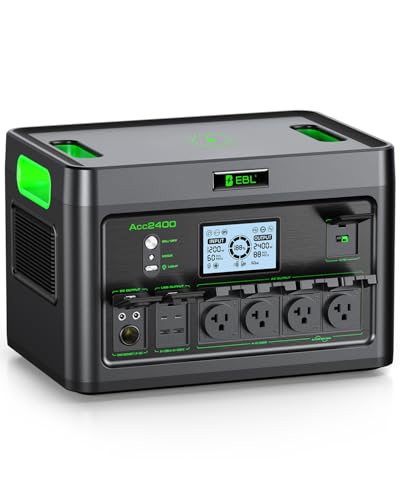
- 1,843.2Wh capacity and 2,400W output
- 12-device charging with varied ports
- LiFePO4 battery rated for 3,500+ cycles
Best For: Group RV trips and high-capacity battery backup
Best Dual-Fuel Value – Westinghouse WGen3600DFcv
The Westinghouse WGen3600DFcv is a practical choice among portable backup generators for RVs when you want both gasoline and propane flexibility. It delivers up to 3,600 rated watts on gasoline, includes an RV-ready TT-30R outlet, and can run for up to 14 hours per tank.
Best For: RV owners who want dual-fuel flexibility and dependable 30-amp RV power.
Pros:
- Runs on gasoline or propane, with up to 3,600 rated watts on gasoline.
- Includes an RV-ready TT-30R 30-amp outlet and fuel gauge.
- Offers up to 14 hours of runtime and automatic low-oil and CO shutdown.
Cons:
- At 108 pounds, it is substantially heavier than a battery power station.
- The open-frame design is less compact for quiet campground use.
With useful RV connectivity, long stated runtime, and the option to use propane when gasoline is inconvenient, this is a well-rounded fuel-powered option. Its weight and open-frame format are the main trade-offs for portability.
Best Large-Capacity Solar Option – Jackery HomePower 3600 Plus
The Jackery HomePower 3600 Plus brings battery-powered convenience to portable backup generators for RVs. Its 3,584Wh capacity, 3,600W output, rolling luggage-style design, and included solar panels make it suited to campers who prioritize quiet, clean power over fuel storage.
Best For: RV and campsite users who want high-capacity, quiet battery power with solar charging.
Pros:
- Provides 3,600W output from a 3,584Wh battery capacity.
- Includes two 200W solar panels and supports four charging methods.
- LiFePO4 battery is rated for 6,000 cycles and a 10-year lifespan.
- Wheels and a telescoping handle make the 77.2-pound unit easier to move.
Cons:
- Its 77.2-pound weight is still significant for lifting into an RV.
- Solar charging depends on available sunlight and conditions.
This Jackery is a strong fit when silent operation, renewable charging, and substantial stored energy matter more than a conventional fuel engine. The included panels and transport-focused design add convenience, although the unit remains bulky.
Best High-Output Fuel Generator – Westinghouse WGen5300cv
The Westinghouse WGen5300cv is designed for RV owners who need more output than a basic 30-amp generator can provide. It supplies 5,300 running watts, includes both an RV-ready TT-30R outlet and a transfer-switch-ready L14-30R outlet, and runs for up to 14.5 hours per tank.
Best For: RV users who need higher running wattage and a generator that can also support home backup.
Pros:
- Delivers 5,300 running watts and 6,600 peak watts.
- Includes an RV-ready 30-amp outlet and transfer-switch-ready outlet.
- Offers a 4.7-gallon tank, fuel gauge, digital hour meter, and up to 14.5 hours of runtime.
- Automatic low-oil and CO shutdown add operating safeguards.
Cons:
- At 133.6 pounds, it is the heaviest fuel generator in this selection.
- Recoil start requires manual starting.
- Its open-frame construction is less convenient for quiet campground settings.
This model makes sense when abundant power and home-backup versatility outweigh ease of transport. It is capable and long-running, but its size and weight make it better for stationary RV use than frequent carrying.
Best Fast-Charging Power Station – EcoFlow DELTA 3 Max
The EcoFlow DELTA 3 Max is a compact battery alternative to traditional portable backup generators for RVs. It combines a 2,048Wh LiFePO4 battery with 2,400W output, rapid 0–80% charging in about 1.13 hours, and a quiet design suited to campsites and sensitive electronics.
Best For: RV campers who want fast, quiet battery power for appliances, electronics, and campsite essentials.
Pros:
- Provides 2,400W output with up to 3,400W X-Boost mode.
- Recharges from 0–80% in about 1.13 hours using X-Stream charging.
- LiFePO4 battery supports a design intended for 10 years of daily use.
- Quiet operation, 10ms transfer time, and app control improve convenience.
Cons:
- The 2,048Wh capacity is lower than the Jackery option in this roundup.
- Solar panels are optional rather than included.
The DELTA 3 Max is a compelling choice when quick charging and quiet operation are priorities. Its X-Boost mode expands appliance compatibility, while the smaller battery capacity means it may be better for shorter outages or focused RV loads.
Best Dual-Fuel RV Inverter – WEN DF680iX
For shoppers comparing portable backup generators for RVs, the WEN DF680iX combines RV-ready connections, dual-fuel flexibility, and inverter power in a relatively compact wheeled package. It supplies up to 5,100 running watts on gasoline or 4,500 running watts on propane, with electric start for easier operation.
Best For: RV owners who want gasoline or propane flexibility, a TT-30R RV outlet, and enough capacity for substantial camping loads.
Pros:
- Runs on gasoline or propane, with up to 6,800 gasoline surge watts.
- Includes a dedicated TT-30R RV receptacle plus 120V/240V output.
- CO Watchdog shutdown and fuel shutoff add useful safety and maintenance features.
- Wheels and a telescoping handle help with repositioning its 99.2-pound body.
Cons:
- At 99.2 pounds, it is portable but not especially lightweight.
- Listed runtime is up to 6 hours, so extended use may require refueling.
- Its fuel-powered design requires outdoor operation and fuel management.
The DF680iX is a practical choice when an RV-compatible outlet and dual-fuel operation matter more than minimal weight. Its electric start, CO protection, and fuel shutoff make it a well-equipped option for campsite backup power.
Best Battery Power Station – EcoFlow DELTA Pro
The EcoFlow DELTA Pro offers a fuel-free alternative for portable backup generators for RVs. Its 3,600Wh LFP battery provides 3,600W of AC output, while X-Boost can raise output to 4,500W for compatible devices. It can recharge from wall power, solar panels, a car outlet, an EV station, or a smart generator.
Best For: RV users who prefer quiet, fuel-free backup power with expandable capacity and multiple charging options.
Pros:
- Large 3,600Wh LFP battery with expansion up to 25kWh using compatible additions.
- Provides 15 output methods, including AC, USB, DC, car, and Anderson connections.
- Supports fast wall charging and solar charging with compatible equipment.
- Wi-Fi and Bluetooth app control enables remote monitoring and settings adjustments.
Cons:
- Its 99-pound weight limits easy lifting despite the portable format.
- Battery capacity eventually requires recharging rather than refueling.
- Solar expansion and higher-capacity operation require additional compatible equipment.
Choose the DELTA Pro if quiet operation, indoor-use flexibility, and charging versatility are priorities. It is especially appealing for RVers who want a scalable battery system rather than a conventional gas generator.
Best High-Output RV Generator – Westinghouse WGen9500DF
For buyers needing substantial capacity from portable backup generators for RVs, the Westinghouse WGen9500DF delivers up to 9,500 running watts on gasoline and 8,500 on propane. Its RV-ready 120/240V 14-50R outlet, remote electric start, and large 6.6-gallon tank make it suited to demanding loads and longer operating periods.
Best For: RV owners or households that need high-output dual-fuel power and an RV-ready 50-amp connection.
Pros:
- High output: 12,500 peak and 9,500 running watts on gasoline.
- Supports propane operation with 11,200 peak and 8,500 running watts.
- Includes a 120/240V 14-50R RV-ready outlet and transfer-switch-ready connection.
- Remote, electric, and recoil starting options plus up to 12 hours of gasoline runtime.
Cons:
- Its large open-frame design is less convenient to transport than smaller generators.
- The 457cc fuel-powered engine requires outdoor operation and fuel storage.
- Its high output may be more than needed for basic RV loads.
The WGen9500DF is the capacity-focused option in this group. Its 50-amp RV outlet and strong dual-fuel output suit large RVs, multiple appliances, or backup scenarios where lower-wattage models may be limiting.
Best Lightweight Pick – Jackery Explorer 1000 v2
For campers seeking portable backup generators for RVs without carrying gasoline, the Jackery Explorer 1000 v2 offers a compact battery-powered option. Its 1,070Wh capacity, 1,500W output, and 23.8-pound weight make it practical for road trips, camping, and emergency use.
Best For: RV travelers who prioritize low weight, quiet operation, and fast battery charging.
Pros:
- 1,500W output with a 3,000W surge peak can run multiple appliances.
- Lightweight 23.8-pound design with a foldable handle.
- LiFePO4 battery rated for over 4,000 charge cycles and a 10+ year lifespan.
- App-controlled charging modes, including one-hour emergency charging and quiet overnight charging.
Cons:
- Solar charging is compatible only with Jackery solar panels.
- The one-hour charging mode requires activation through the Jackery app.
- Its 1,070Wh capacity is smaller than larger power stations.
The Explorer 1000 v2 is a strong fit when portability and clean, quiet power matter more than maximum capacity. It includes useful RV-friendly ports, including three pure sine wave AC outlets, a DC car port, and USB-C charging.
Best Gas-Powered Value – Power Equipment 4400W Inverter Generator
For RV owners who need extended runtime and higher sustained output, this gasoline model is one of the more traditional portable backup generators for RVs. It provides 3,400 running watts, 4,400 peak watts, and a dedicated RV port in a 56-pound open-frame design.
Best For: RV users who need long runtime for appliances and prefer gasoline power.
Pros:
- 3,400 running watts and 4,400 peak watts support demanding RV loads.
- Dedicated RV port plus two 120V AC ports and a 12V DC port.
- Up to 14 hours of runtime at 25% load with ECO mode.
- Fuel gauge, low-oil shutdown, overload protection, and cold-start technology.
Cons:
- Gasoline operation requires fuel storage, refueling, and outdoor use.
- Rated under 72 dBA from 23 feet, so it is not the quietest option.
- Its open-frame construction is less compact than a power station.
This generator makes sense for longer RV stays or backup situations where battery capacity would be limiting. The two-gallon tank and ECO mode help extend runtime, while the 56-pound weight keeps it reasonably movable for an open-frame generator.
Best High-Capacity Battery Option – EBL Acc2400 Power Station
The EBL Acc2400 is a high-capacity alternative for shoppers comparing portable backup generators for RVs. Its 1,843.2Wh battery, 2,400W output, and 12-device charging support make it suitable for group camping, home emergencies, and RV use where multiple appliances may run at once.
Best For: RV groups and campers who want substantial battery capacity, many ports, and high output without gasoline.
Pros:
- 1,843.2Wh capacity with 2,400W output and a 4,800W starting rating.
- Supports up to 12 devices through AC, USB-A, USB-C, DC, car, and wireless charging ports.
- LiFePO4 battery rated for more than 3,500 cycles and a 10+ year service life.
- Emergency power mode switches to backup in 0.1 seconds during outages.
Cons:
- At about 54 pounds, it is substantially heavier than smaller power stations.
- Its larger capacity also makes it less convenient for frequent hand-carrying.
- The supplied notes do not specify included solar panels.
With its broad port selection and larger battery, the Acc2400 is better suited to shared RV use than a compact personal power station. Dual-side handles, a display, and a four-mode LED light add practical convenience, though the 54-pound weight favors planned transport over quick relocation.
How We Picked These Portable Backup Generators for RVs
We selected models across the main categories RV owners consider: conventional generators, inverter generators, and battery power stations. We looked for practical output levels, RV-ready connections where specified, dual-fuel flexibility, electric-start convenience, battery capacity, portability, and safety features such as carbon-monoxide monitoring. Because RV electrical systems and appliances vary, wattage claims should be treated as a starting point rather than a guarantee that every model can run simultaneously.
Quick Comparison
Gas and dual-fuel generators generally offer longer refueling flexibility and higher sustained output, making them useful for air conditioners and extended outages. Inverter generators are typically a better fit when lower noise and cleaner power matter. Battery power stations are quiet and require no fuel or exhaust, but their runtime depends on battery capacity and recharge access. The 1,000Wh-class units suit electronics, small appliances, and short-duration needs; models around 2,000Wh or more provide greater reserve, while larger systems can support heavier loads for longer.
Key Buying Factors for Portable Backup Generators for RVs
Output and RV Compatibility
Check both running watts and starting watts. Air conditioners, refrigerators, and pumps can draw substantially more power during startup. A 30-amp RV outlet is convenient for many travel trailers, but verify your RV plug, service rating, and whether an adapter is required. Do not connect a generator to an RV or home circuit in a way that bypasses required safety equipment.
Fuel, Runtime, and Noise
Dual-fuel models can run on gasoline or propane, giving you more options when one fuel is unavailable. Compare runtime at a stated load rather than relying only on tank size. For campgrounds, an inverter generator or battery station may be preferable because of reduced noise. Always follow campground rules and operate fuel-burning units outdoors, away from doors, windows, and vents.
Battery Capacity and Recharging
For power stations, watt-hours indicate stored energy, while AC output indicates how much power can be delivered at once. Consider solar input, vehicle charging, wall charging speed, battery chemistry, and whether expansion batteries are supported. A larger capacity is not automatically better if it makes the unit difficult to transport.
Who Should Buy Which Portable Backup Generators for RVs?
Choose a compact power station for phones, laptops, CPAP machines, and quiet overnight use. Pick a mid-size battery unit or inverter generator for moderate RV loads and occasional emergency backup. Choose a dual-fuel RV-ready generator when you need flexible fueling and enough surge capacity for appliances such as an air conditioner. High-output home-backup generators are better for extended outages or multiple large loads, but they are heavier and may require careful storage, ventilation, and transfer-switch planning. Before buying, confirm the manufacturer’s rated output, outlet configuration, operating limits, warranty, and local noise or fuel regulations.