If you’re looking to cut down on your utility bills, investing in a real-time energy monitor could be a smart move. These devices give you insights into your energy consumption, helping you identify areas where you can save. With various options on the market, from the Emporia Vue 3 to the Sense Energy Monitor, you might wonder which one suits your needs best. Let’s explore the top choices that can empower you to optimize your energy usage effectively.
Emporia Vue 3 Home Energy Monitor

The Emporia Vue 3 Home Energy Monitor is an excellent choice for homeowners looking to take control of their energy usage and costs. It’s UL Listed, ensuring safety and reliability, preventing hazards like overheating and short-circuiting. Installation is straightforward, fitting most homes with clamp-on sensors. You can automate and manage your energy usage through the Emporia Energy App, tailoring settings for peak demand and rewards programs. With real-time data updates and accurate monitoring of critical appliances, you’ll gain insights into your spending and make informed decisions. Plus, it comes with a 1-year warranty for peace of mind.
Best For: Homeowners looking to monitor and manage their energy consumption effectively.
Pros:
- UL Listed for safety and reliability, preventing electrical hazards.
- Easy installation with clamp-on sensors compatible with most home systems.
- Real-time data and insights through the Emporia Energy App for informed energy management.
Cons:
- Requires a 2.4 GHz WiFi connection for real-time monitoring.
- Additional sensors may be needed for certain system configurations (sold separately).
- Data retention limits for minute data (7 days) may be restrictive for some users.
SIEMENS Inhab Smart Home Energy Monitor

If you’re looking for a reliable way to track your home’s energy usage, the SIEMENS Inhab Smart Home Energy Monitor stands out for its ability to provide real-time insights at both the whole home and circuit levels. Weighing just 4.75 pounds, this compact device installs easily in new or existing panels. It allows you to monitor energy consumption 24/7, even sending personalized alerts for savings opportunities. With its ability to manage peak demand and excess solar, you can optimize your energy use effectively. Plus, it’s CE marked and UL Listed, ensuring safety and compliance for your peace of mind.
Best For: Homeowners looking for an efficient way to monitor and manage their energy consumption in real-time.
Pros:
- Real-time monitoring allows users to track energy usage continuously, providing valuable insights.
- Personalized alerts for energy-saving opportunities help optimize electricity consumption and reduce costs.
- Compatible with existing panels makes installation straightforward and accessible for various home setups.
Cons:
- Requires a WiFi connection for optimal functionality, which may be a limitation for some users.
- Installation may require basic electrical knowledge, potentially deterring those unfamiliar with home wiring.
- The device’s size may not fit all electrical panels, necessitating careful consideration before purchase.
Smart Home Energy Monitor with Circuit Sensor

For homeowners looking to take control of their energy consumption, the Smart Home Energy Monitor (Model: EM16) stands out with its robust circuit sensor capabilities. With 16 branch circuit sensors, you can monitor real-time energy usage, gaining insights into your appliances’ consumption. Its easy clamp-on design makes installation a breeze, supporting various electrical systems. You’ll appreciate the 98% accuracy, plus the ability to store detailed data for up to three years. By optimizing your usage, you could save 10%-20% on your energy bills. Plus, smart consumption alerts help you manage your energy efficiently and effectively.
Best For: Homeowners seeking to optimize their energy consumption and reduce electricity bills through detailed monitoring and alerts.
Pros:
- Real-Time Monitoring: Provides instant insights into power, current, voltage, and power factor for major appliances.
- Energy Savings: Users can save an average of 10%-20% on their energy bills by optimizing appliance usage.
- User-Friendly Installation: Features an easy clamp-on design compatible with various electrical systems, making setup straightforward.
Cons:
- Firmware Update Required: Integration with Home Assistant requires a firmware update for seamless functionality.
- No Cloud Processing: All data is stored locally, which may limit remote access and cloud-based features.
- Limited API Support: The lack of API support may hinder advanced integration with other smart home devices.
Sense Energy Monitor – Track Electricity Usage in Real Time
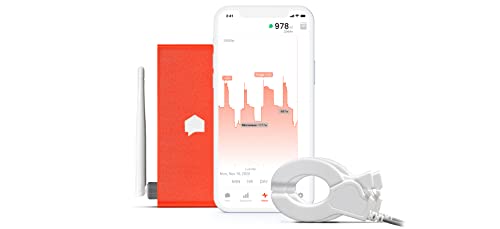
Looking to take control of your energy consumption? The Sense Energy Monitor lets you track electricity usage in real time, helping you save both energy and money. It meets strict ETL/Intertek safety standards, ensuring safe installation inside electrical panels. With Sense, you gain valuable insights into your home’s energy patterns, allowing you to adjust usage for better efficiency. You can monitor your energy consumption from anywhere using iOS, Android, or web apps. Plus, set custom notifications for critical devices to prevent potential disasters. Currently, Sense is compatible only in the United States and Canada, making it a smart choice for homeowners.
Best For: Homeowners in the United States and Canada looking to monitor and optimize their energy consumption.
Pros:
- Real-time tracking of electricity usage to help save energy and reduce bills.
- Custom notifications for critical devices to prevent potential hazards.
- Accessible monitoring through iOS, Android, and web apps for convenience.
Cons:
- Currently only available for users in the United States and Canada.
- Requires installation inside electrical panels, which may necessitate professional assistance.
- Initial setup and configuration may be challenging for some users.
Emporia Vue 3 Home Energy Monitor

The Emporia Vue 3 Home Energy Monitor stands out as an ideal choice for homeowners seeking to gain precise control over their electricity usage. This UL Listed device installs easily in your circuit panel, supporting various systems, including single-phase and 3-phase configurations. With its 24/7 monitoring capabilities, you can automate energy usage and manage peak demand through the Emporia Energy App. You’ll receive real-time notifications and insights to help reduce your electric bills. Plus, by adding branch sensors, you can track individual appliances accurately, making energy management both efficient and effective. It’s a smart investment for any energy-conscious homeowner.
Best For: Homeowners looking for precise control and monitoring of their electricity usage to optimize energy consumption and reduce costs.
Pros:
- Real-time monitoring: Provides immediate insights into energy usage, helping users make informed decisions.
- Versatile installation: Compatible with various electrical systems, making it suitable for a wide range of homes.
- Energy management features: Offers automation for peak demand management, leading to potential cost savings on electric bills.
Cons:
- Requires Wi-Fi connection: The monitor needs a stable 2.4 GHz Wi-Fi connection for real-time data access.
- Additional costs for sensors: Tracking individual appliances requires purchasing additional branch sensors separately.
- Initial installation: Installing the device may require professional assistance for those unfamiliar with electrical systems.
Emporia Vue 3 Home Energy Monitor

Emporia Vue 3 Home Energy Monitor stands out for homeowners who want precise control over their electricity usage. This UL Listed device guarantees safety, preventing hazards like overheating and short-circuiting. Installation is easy; it fits into your circuit panel and works with various systems. With the Emporia Energy App, you can monitor energy consumption in real-time and automate settings for cost savings. Plus, it supports solar and net metering. You’ll receive actionable notifications, helping you reduce bills effectively. Accurate data is always at your fingertips, allowing you to make informed decisions about your energy consumption anytime, anywhere.
Best For: Homeowners looking for precise control and monitoring of their electricity usage to save on energy bills.
Pros:
- UL Listed for safety, preventing hazards like overheating and short-circuiting.
- Easy installation in the circuit panel and compatibility with various electrical systems.
- Real-time data access through the Emporia Energy App, enabling informed energy management decisions.
Cons:
- Requires a 2.4 GHz Wi-Fi connection for monitoring, which may not be suitable for all users.
- Additional sensor required for certain 3-phase systems, leading to extra costs.
- Real-time data is only available for 1 second when the app is open, which may limit immediate insights.
Sense Energy Monitor with Solar

For homeowners enthusiastic to optimize their energy use and solar production, the Sense Energy Monitor with Solar stands out as an excellent choice. It tracks your electricity usage and solar output in real time, helping you identify patterns that can save you energy and money. You can compare solar production with consumption to make the most of your renewable energy. Additionally, it notifies you about specific activities, like when kids come home or if lights are left on. Safety is guaranteed, as it meets rigorous standards, making it a reliable addition to your home’s energy management system.
Best For: Homeowners looking to optimize their energy consumption and solar production for increased efficiency and savings.
Pros:
- Real-time tracking of electricity usage and solar production helps identify energy patterns.
- Custom notifications for critical devices enhance safety and awareness of household activities.
- Supports time-of-use rate plans, maximizing savings on energy costs.
Cons:
- Currently not compatible outside the United States and Canada, limiting its availability to some users.
- Installation may require professional assistance, adding to the overall cost.
- Initial investment cost could be a barrier for some homeowners.
Smart Home Energy Monitor with 16 Circuit Level Sensors

Looking to gain complete control over your energy consumption? The Smart Home Energy Monitor with 16 Circuit Level Sensors is your ideal solution. It measures real-time power usage and provides historical data through an easy-to-use app. Installation is a breeze, fitting most homes with clamp-on sensors. You can monitor a variety of appliances, from your air conditioner to your water heater, all while receiving actionable notifications to help lower your bills. Plus, with Super Privacy Mode, you can operate without internet access. Enjoy peace of mind knowing it’s backed by a one-year warranty and a solid customer rating.
Best For: Homeowners and light commercial users looking to monitor and optimize their energy consumption effectively.
Pros:
- Easy installation with clamp-on sensors compatible with most home circuit panels.
- Real-time monitoring and historical data accessible through a user-friendly app.
- Super Privacy Mode allows operation without internet access, ensuring enhanced data security.
Cons:
- Limited to a maximum of 16 circuits, which may not suffice for larger homes or businesses.
- Requires a 2.4GHz WiFi connection, which may be a limitation in some setups.
- Initial setup may require some technical knowledge, potentially challenging for non-tech-savvy users.
eMylo 2 Channel WiFi Power Meter Smart Power Monitor
The eMylo 2 Channel WiFi Power Meter Smart Power Monitor stands out as an excellent choice for those who want to keep a close eye on their energy consumption while enjoying the convenience of real-time data. With its 2.4GHz WiFi capability, you can monitor usage in kilowatt-hours, track voltage, current, and even automate appliances through the Smart Life/Tuya app. Installation is a breeze—just plug the wires into the terminals without altering cable connections. Plus, you can integrate it with Alexa or Google Assistant for added control. Stay informed and save on your utility bills effortlessly!
Best For: Individuals looking to monitor and manage their energy consumption in real-time with easy automation features.
Pros:
- Real-time monitoring of energy usage, voltage, current, and other vital metrics.
- Easy integration with Smart Life/Tuya app, Alexa, and Google Assistant for seamless home automation.
- Simple installation process without any need for altering existing cable connections.
Cons:
- Limited to 2.4GHz WiFi, which may not be suitable for users with only 5GHz networks.
- Requires app compatibility for full functionality, which may not appeal to everyone.
- Current range of 0.2A-80A may not meet the needs of high-power devices beyond this limit.
Smart WiFi Energy Monitor with 3 * 80A Clamp

Experience unparalleled energy management with the Smart WiFi Energy Monitor featuring three 80A clamps, ideal for homeowners seeking to optimize their energy consumption. This device tracks electricity in real-time, making it perfect for solar net metering and home automation. You can easily monitor appliances like air conditioners and water heaters, ensuring you manage your energy usage effectively. With support for 2.4 GHz WiFi, you’ll access valuable data on power consumption and voltage through the app. Just remember, installation should be done by qualified personnel for safety. Enjoy a smarter, more efficient home while reducing your utility bills!
Best For: Homeowners looking to optimize energy consumption and reduce utility bills through real-time monitoring.
Pros:
- Real-time monitoring of power consumption, voltage, current, and power factor for effective energy management.
- Compatible with various appliances and integrates seamlessly with other Tuya devices for home automation.
- Easy installation into most home circuit panels with clamp-on sensors, ensuring safe and efficient operation.
Cons:
- Requires 2.4 GHz WiFi for app monitoring, limiting compatibility with some modern WiFi networks.
- Installation should be performed by qualified personnel, which may incur additional costs.
- Incorrect clamp installation can yield negative values, leading to potential confusion in energy tracking.
Factors to Consider When Choosing a Real Time Energy Monitor
When choosing a real-time energy monitor, you should consider several key factors. Installation requirements, monitoring capabilities, and data accuracy can greatly impact your experience. Additionally, think about energy management features and compatibility with your existing systems to guarantee a seamless integration.
Installation Requirements
Choosing a real-time energy monitor involves several important installation requirements that can impact its effectiveness in your home. First, confirm the monitor’s compatibility with your electrical system, whether it’s single-phase, split-phase, or three-phase. Most monitors use clamp-on sensors that attach to your circuit panel, so check if your model requires these. Consider the ease of installation; some models offer simple clamp-on designs, while others may need complex wiring or a professional installer. Safety is vital, so verify that the monitor has certifications like UL Listing or ETL certification. Finally, assess the space in your electrical panel, as some devices and their sensors need more room than others, which could affect your choice.
Monitoring Capabilities
Monitoring capabilities are essential factors to evaluate in selecting a real-time energy monitor. Look for devices that offer real-time tracking of your electricity usage, allowing you to continuously monitor consumption throughout the day. It’s beneficial to choose monitors that provide both whole home and circuit-level monitoring, so you can measure energy usage directly at the panel and for individual circuits. Customizable notifications for energy-saving opportunities or unusual behavior can keep you informed about your energy habits. Additionally, opt for products that support time-of-use and peak demand management features to help you optimize costs based on fluctuating electricity rates. If you have solar panels, verify the monitor can track solar energy production for improved efficiency.
Data Accuracy
Accurate data is essential for anyone looking to effectively manage their energy consumption. When choosing a real-time energy monitor, pay attention to its data accuracy, often expressed as a percentage. Devices that offer precision within ±1% to ±2% are ideal for reliable tracking. This accuracy helps you identify patterns and reduce unnecessary energy usage. Additionally, consider how frequently the monitor updates its data. Some provide real-time updates every few seconds, while others may take longer, affecting how quickly you can respond to consumption changes. Finally, check if the monitor allows you to export historical data. This feature enhances transparency and enables better analysis of your energy expenses, empowering you to make informed decisions about your energy usage.
Energy Management Features
When it comes to managing your energy consumption, the features of a real-time energy monitor can make a significant difference in your efficiency. Look for devices that offer real-time monitoring, allowing you to track usage continuously and adjust habits instantly. Advanced features like time-of-use management, peak demand management, and load shedding help you optimize costs effectively. Customizable notifications alert you to abnormal usage or savings opportunities, keeping you proactive. Detailed reporting and analytics reveal historical data and energy consumption patterns, guiding your decisions. If you have or plan to install solar panels, opt for monitors that support solar energy management and net metering, ensuring you maximize both your energy consumption and production.
Compatibility With Systems
Choosing the right real-time energy monitor means ensuring it fits seamlessly with your home’s electrical system. You need to determine if your setup is single-phase, split-phase, or three-phase to guarantee accurate monitoring. Some monitors require specific configurations or additional sensors, especially for 3-wire or 4-wire Wye systems. Make sure the installation method, like clamp-on sensors or direct wiring, aligns with your circuit panel to facilitate easy integration. It’s also essential to check that the monitor’s voltage and current ratings match your home’s electrical capacity. Finally, compatibility with home automation systems can greatly enhance functionality, allowing for centralized control and integration with other smart devices, making your energy management more efficient.
User Interface Experience
A quality user interface can make all the difference in your experience with a real-time energy monitor. A user-friendly interface allows you to navigate easily and quickly access your energy usage data, enhancing efficiency. Look for customizable features that help you stay informed about your consumption patterns, giving you actionable insights directly through the app. Integration with smart home platforms like Home Assistant can also streamline your interactions, boosting automation capabilities for energy management. Additionally, historical data storage and graphical representations help you understand consumption trends, aiding in better planning. Finally, guarantee compatibility with mobile devices and web applications, so you can monitor your energy usage anytime and anywhere, promoting proactive energy management.
Notifications and Alerts
An effective user interface sets the stage for maximizing the benefits of notifications and alerts in real-time energy monitors. These devices can send you custom notifications for critical appliances, alerting you to unusual energy spikes or when something’s left on, which helps prevent potential disasters. You can also set alerts for energy savings opportunities, so you’re notified when your consumption exceeds predefined targets. Some monitors even provide personalized notifications, like when family members return home, helping you track usage patterns. In addition, notifications can be configured for energy management functions, optimizing your energy use. Integrating alerts with smart home systems allows you to automate responses, such as turning off devices during peak usage or when solar production is high.
Warranty and Support
When evaluating real-time energy monitors, warranty and support features can greatly impact your experience and satisfaction. Start by checking the warranty length and terms; a longer warranty often indicates better product reliability. It’s also wise to look for a clear return policy, so you can exchange or return the monitor if it doesn’t meet your expectations. Investigate customer support options, including online resources and direct channels for troubleshooting help. Regular firmware updates are essential for ensuring your monitor stays compatible with new technologies and performs efficiently. Finally, consider the brand’s reputation for customer service—positive feedback from other users can be a strong indicator that you’ll receive reliable support when needed.