If you’re contemplating a greener lifestyle, installing a solar EV charging system at home could be a smart move. These systems not only help reduce your carbon footprint but also cut down on energy costs. With various options on the market, it’s crucial to find the right fit for your needs. Let’s explore the top choices available and what to take into account before making your investment.
Tesla Universal Wall Connector – Home EV Charger

If you’re looking for a reliable home EV charger that works seamlessly with all major North American electric vehicles, the Tesla Universal Wall Connector is an excellent choice. This Level 2 charger offers up to 44 miles of range per hour, making your charging experience efficient. With customizable amperage options from 12A to 48A, you can tailor it to fit your needs. Its 24-foot cable allows for easy access, whether indoors or outdoors. Plus, with Powershare technology, it can even power your home during outages for select models. With a 4-year warranty, you can trust its durability and performance.
Best For: Electric vehicle owners looking for a versatile and efficient home charging solution compatible with all major North American EVs.
Pros:
- Customizable amperage options allow for tailored charging speeds to suit individual needs.
- The 24-foot cable provides flexibility for various installation setups, making it convenient for both indoor and outdoor use.
- Powershare technology enables select models to power a home during outages, adding an extra layer of utility.
Cons:
- Installation may require professional assistance, which could add to overall costs.
- Currently, Powershare technology is only available for the Cybertruck, limiting its functionality for other Tesla models.
- The warranty period for commercial use is shorter at just 1 year compared to 4 years for residential use.
Tesla Wall Connector – Home Electric Vehicle Charger
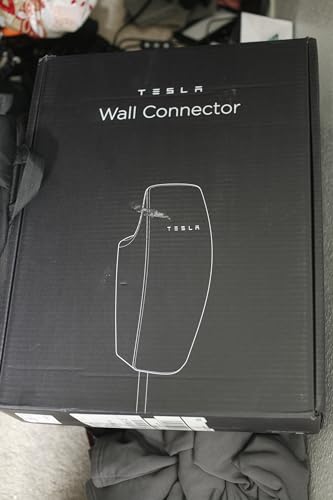
The Tesla Wall Connector is an ideal choice for Tesla owners looking to maximize their home charging experience, as it offers up to 44 miles of range per hour of charge. With an impressive output of up to 48 amps, it’s compatible with all Tesla models, ensuring efficient charging tailored to your needs. You can customize the amperage settings based on your home’s electrical capacity. Plus, its Wi-Fi connectivity allows for easy firmware updates and remote control. Whether you install it indoors or outdoors, this UL Certified charger promises reliability, making it a top-tier option for your electric vehicle charging needs.
Best For: Tesla owners looking for a reliable and efficient home charging solution that offers customizable options.
Pros:
- Fast Charging: Provides up to 44 miles of range per hour, ideal for quick top-ups.
- Compatibility: Works with all Tesla models, ensuring versatility for different owners.
- Wi-Fi Connectivity: Allows for over-the-air updates and remote access management.
Cons:
- Installation Cost: Professional installation may incur additional expenses.
- Limited to Tesla Models: Not compatible with non-Tesla electric vehicles.
- Amperage Dependent on Home Setup: Charging speed may be limited by the home’s electrical system.
EVIQO Level 2 EV Charger (40 Amp, 240V, J1772)

For homeowners looking to charge their electric vehicles efficiently, the EVIQO Level 2 EV Charger stands out with its impressive 40 Amp output and 25ft cable. This charger’s J1772 connector is compatible with all North American EVs and PHEVs, including Teslas with an adapter. With a maximum output of 9.6 kW, you can fully recharge most EVs overnight. Its IP66 weatherproof design guarantees durability, making it ideal for indoor and outdoor use. Plus, WiFi capabilities let you control charging from your smartphone, allowing for scheduling and tracking to optimize energy costs and take advantage of available rebates.
Best For: Homeowners seeking an efficient and versatile charging solution for their electric vehicles.
Pros:
- Versatile Compatibility: Works with all North American EVs and PHEVs, including Teslas with an adapter.
- Smart Features: WiFi-enabled for remote control via smartphone app, allowing for scheduling and consumption tracking.
- Durable Design: IP66 weatherproof enclosure suitable for both indoor and outdoor use.
Cons:
- Adapter Required for Tesla: Tesla vehicles need a J1772-to-NACS adapter (not included) for charging.
- Initial Installation Cost: Higher upfront cost compared to lower Amp chargers may deter some buyers.
- Limited WiFi Frequency: Only supports 2.4GHz WiFi, potentially limiting connection options in some households.
Smart Level 2 EV Charger with Wi-Fi and Solar Charging Mode

Looking for an efficient way to charge your electric vehicle at home? The Smart Level 2 EV Charger by ELECQ is your perfect solution. With a powerful 40A output, it delivers up to 38 miles of range per hour, charging considerably faster than Level 1 chargers. It features Wi-Fi connectivity and solar charging modes, allowing you to harness clean energy and reduce costs. Plus, with dynamic load balancing and a user-friendly app, you can control charging remotely, view energy consumption, and schedule sessions during off-peak hours. CSA certified and weatherproof, this charger is safe for both indoor and outdoor installation.
Best For: Electric vehicle owners looking for a fast, efficient, and smart charging solution that utilizes renewable energy.
Pros:
- Fast Charging: Provides up to 38 miles of range per hour with a 40A output, significantly faster than Level 1 chargers.
- Smart Energy Management: Compatible with the Elecq Power Monitor for dynamic load balancing and includes solar charging modes for cost savings.
- User-Friendly App: Offers remote control, real-time energy consumption tracking, and scheduling options through Wi-Fi and Bluetooth connectivity.
Cons:
- Installation Requirements: May require professional installation depending on home electrical setup and outlet compatibility.
- Higher Initial Cost: Compared to basic Level 1 chargers, the upfront investment may be higher.
- Dependence on Wi-Fi: Performance and features may be limited in areas with poor Wi-Fi connectivity.
ChargePoint HomeFlex Level 2 EV Charger for Electric Vehicles

With its impressive charging speed of up to 45 miles of range per hour, the ChargePoint HomeFlex Level 2 EV Charger is ideal for electric vehicle owners who want to maximize their time and efficiency. Weighing just 13.8 pounds and measuring compactly, it’s easy to install indoors or outdoors. With a 240-volt output and 50 amps of power, it’s nine times faster than a standard 120V outlet. Plus, the UL certification guarantees safe charging. You’ll appreciate the 24/7 customer support and mobile app features for managing your charging. Enjoy peace of mind with a three-year warranty and a 30-day return policy.
Best For: Electric vehicle owners who need a fast and efficient home charging solution.
Pros:
- Fast Charging: Provides up to 45 miles of range per hour, significantly reducing charging time compared to standard outlets.
- Compact Design: Lightweight and compact dimensions make it easy to install in various locations, both indoors and outdoors.
- Comprehensive Support: Offers 24/7 customer support and a mobile app for convenient management of charging sessions.
Cons:
- Requires Professional Installation: Needs to be installed by an electrician, which may incur additional costs.
- Limited Compatibility for Tesla: Tesla vehicles require an adapter for charging, potentially complicating usage for Tesla owners.
- Higher Initial Cost: The upfront cost may be higher compared to simpler charging solutions.
EVIQO NACS Level 2 EV Charger for Tesla
The EVIQO NACS Level 2 EV Charger is the ideal choice for Tesla owners who want a powerful and efficient charging solution at home. With a maximum output of 48 amps, it fully recharges your vehicle overnight, making it perfect for daily use. The 25-foot cable adds convenience, allowing easy access in your garage. Smart app control lets you monitor charging and schedule it during off-peak hours to save on costs. Plus, it’s weatherproof and comes with a three-year warranty. With compatibility across all Tesla models, this charger guarantees you’ll always be ready to hit the road.
Best For: Tesla owners looking for a powerful, efficient, and convenient home charging solution.
Pros:
- High maximum output of 48 amps allows for overnight charging of most EVs.
- Smart app control provides monitoring and scheduling features to optimize charging costs.
- Weatherproof design (IP66/NEMA 4) ensures durability in various conditions.
Cons:
- Installation requires a licensed electrician and a dedicated circuit, which may incur additional costs.
- The NACS-to-J1772 adapter is not included, limiting compatibility with non-Tesla vehicles.
- The smart features rely on WiFi connectivity, which may be an issue in some locations.
ECO-WORTHY Home Power Backup Station with Solar Inverter Charger

For homeowners seeking a robust backup power solution, the ECO-WORTHY Home Power Backup Station with Solar Inverter Charger stands out with its impressive 10,000W output. This system features a 10,240Wh wall-mount LiFePO4 battery and a versatile inverter that supports 120V/240V, perfect for heavy-duty appliances. You can expand the setup by connecting up to six units for a total of 30kW, while the smart monitoring features let you track performance via Bluetooth. With reliable performance down to -4℉ and a lifespan of over 6,000 cycles, it’s an excellent choice for sustainable energy management at home.
Best For: Homeowners looking for a reliable and expandable backup power solution to support heavy-duty appliances and off-grid solar systems.
Pros:
- High capacity: 10,240Wh storage with the ability to expand up to 163.84KWh.
- Versatile output: Supports both 120V/240V and can power heavy-duty household appliances.
- Smart monitoring: Bluetooth and LCD technology for real-time system performance tracking.
Cons:
- Higher initial investment: The setup may require a significant upfront cost.
- Multiple shipping packages: Components are shipped separately, which may cause delays.
- Installation complexity: Requires proper setup and potential professional installation for optimal performance.
ChargePoint HomeFlex Level 2 EV Charger J1772

Designed for electric vehicle owners seeking efficiency, the ChargePoint HomeFlex Level 2 EV Charger J1772 stands out with its robust 50-amp current rating. This charger delivers fast smart battery power at 240 volts, ensuring your vehicle gets the charge it needs quickly. With a NEMA 14-50 plug, it’s compatible with most non-Tesla EVs. The 23-foot cable provides flexibility in installation, and its UL certification guarantees safe indoor or outdoor use. Plus, you can manage settings through the ChargePoint mobile app. With a solid 3-year warranty and access to a vast charging network, it’s a reliable choice for your home.
Best For: Electric vehicle owners seeking a fast, efficient, and reliable home charging solution.
Pros:
- Fast charging capability with a robust 50-amp current rating, allowing for quick battery replenishment.
- UL certified for safe indoor and outdoor installation, ensuring peace of mind during use.
- Comprehensive app integration for managing settings, reminders, and accessing charging data.
Cons:
- Limited compatibility as it is designed primarily for non-Tesla electric vehicles.
- Installation may require professional assistance, especially for optimal placement and electrical requirements.
- Weight of 13.8 pounds could make it less portable for some users compared to lighter alternatives.
EMPORIA Pro Level 2 EV Charger with PowerSmart – 48 amp Fast EV Charger for Home

Looking for a fast and efficient way to charge your electric vehicle at home? The EMPORIA Pro Level 2 EV Charger with PowerSmart technology offers a powerful 48 amp charging solution. With a 25′ cable and options for hardwired or NEMA 14-50 plug installation, it fits your needs seamlessly. PowerSmart balances loads without service upgrades, automating schedules to avoid peak rates. Plus, the Emporia app tracks your usage, helping you charge smarter. Built for durability and weather resistance, this charger comes with responsive US-based support, ensuring you’re always covered. Enjoy convenience and savings while going green!
Best For: Homeowners looking for a fast and efficient way to charge their electric vehicles with smart energy management features.
Pros:
- Fast charging: Provides 48 amps of charging power, allowing for quick EV charging at home.
- Smart technology: PowerSmart balances electrical loads and automates charging schedules to help save on energy costs.
- Durable design: Weather-resistant construction ensures long-lasting performance, suitable for outdoor installation.
Cons:
- Installation complexity: May require professional installation, especially for hardwired connections.
- Higher upfront cost: As a premium charger, it may be more expensive compared to basic models.
- Limited to J1772 connector: Compatibility is restricted to vehicles using the J1772 charging standard, which may not suit all EV owners.
DEWALT Level 2 Compact EV Charger for Tesla EVs

The DEWALT Level 2 Compact EV Charger stands out as an excellent choice for Tesla owners seeking efficient home charging solutions, thanks to its impressive power output of 48A and charging speed of up to 46 miles per hour. Its compact design fits perfectly in garages or driveways, while the durable, waterproof housing guarantees it withstands indoor and outdoor conditions. With a 20-foot UL-certified cable, you’ll enjoy flexibility during installation. Plus, the smart app lets you control charging sessions and track energy usage easily. Backed by a 3-year warranty and professional support, it’s a reliable addition to your home charging setup.
Best For: Tesla owners looking for a compact and efficient home charging solution with smart features.
Pros:
- Fast charging speed of up to 46 miles per hour, making it convenient for daily use.
- Durable and waterproof design, suitable for both indoor and outdoor installations.
- Smart app connectivity allows for easy control and monitoring of charging sessions.
Cons:
- Hardwired installation may require professional assistance and could be inconvenient for some users.
- Limited to Tesla EVs, which may not suit multi-vehicle households.
- Higher initial cost compared to basic charging options.
Factors to Consider When Choosing Solar EV Charging Systems for Home
When you’re choosing a solar EV charging system for your home, there are several key factors to keep in mind. You’ll want to evaluate charging speed, compatibility with your vehicle, and how easy the installation and setup will be. Additionally, think about the smart features and energy management capabilities that could enhance your charging experience.
Charging Speed Requirements
Understanding charging speed requirements is vital for selecting the right solar EV charging system for your home. Charging speed is typically measured in miles of range added per hour, with Level 2 chargers providing up to 44 miles per hour, depending on the charger and vehicle specifications. The charger’s output power, expressed in kilowatts (kW) or amps (A), directly impacts this speed; for instance, a 48-amp charger can deliver up to 11.5 kW. It’s important to take into account your electric vehicle’s charging capabilities, as different models support varying amperage levels. Customizable amperage settings, ranging from 12A to 48A, enable you to adjust the charging speed based on your home’s electrical system, making faster solutions ideal for households with multiple EVs.
Compatibility With Vehicle Models
Choosing the right solar EV charging system hinges on ensuring compatibility with your vehicle models. First, check the connector type; non-Tesla EVs typically use J1772, while Tesla models utilize the NACS. Make sure the charger offers adjustable amperage settings to match your vehicle’s specifications for peak performance. If you own multiple electric vehicles, verify that the system supports all of them. Additionally, consider the charging speed to align with your vehicle’s battery capacity, ensuring efficient charging without long wait times. Finally, confirm any necessary adapters, like a J1772-to-NACS adapter for Tesla vehicles, are included or easily accessible. This thorough approach guarantees you’ll choose a solar EV charger that meets your needs effectively.
Installation and Setup Ease
Although you might be enthusiastic to get started with your solar EV charging system, the installation and setup process can make a significant difference in your overall experience. First, consider if the system offers plug-and-play features or if you’ll need professional help, as this affects both ease and time. Look for systems that come with clear installation instructions and all necessary hardware, which is a boon for DIY enthusiasts. Confirm compatibility with your existing electrical infrastructure to avoid costly upgrades. Also, check for weatherproof ratings like NEMA 4 or IP66, which indicate durability for outdoor setups. A straightforward installation can save you time and potential headaches, allowing you to enjoy your solar EV charging system sooner.
Smart Features Availability
How can smart features enhance your solar EV charging experience? Smart EV chargers come equipped with Wi-Fi connectivity, letting you monitor and control charging sessions through a smartphone app. You can schedule charging times to take advantage of off-peak electricity rates, which can help cut your energy costs. Advanced load management technology optimizes energy use, balancing the electrical load to prevent circuit overloads and enhance safety. Many smart chargers also provide real-time energy consumption tracking, giving you insights into your charging habits and overall energy use. Plus, with over-the-air firmware updates, your charger can stay current with the latest features without any manual effort. These smart features make managing your solar EV charging more convenient and efficient.
Energy Management Capabilities
Smart features considerably enhance the functionality of solar EV charging systems, but energy management capabilities take your charging experience to the next level. With these capabilities, you can optimize your charging schedules, ensuring your EV charges during off-peak hours to save on electricity costs. Dynamic load balancing helps prevent electrical overloads by distributing power efficiently throughout your home while charging. Many systems come with Wi-Fi connectivity, allowing you to monitor real-time energy consumption and adjust settings via a mobile app. Some even offer solar charging modes that utilize excess solar energy, boosting efficiency and reducing grid reliance. Plus, integration with home energy management systems provides insights into your overall energy usage, helping you manage consumption effectively while charging.
Weather Resistance Ratings
Weather resistance ratings are vital when selecting a solar EV charging system for your home. Ratings like IP66 or NEMA 4 indicate how well a charger can endure harsh conditions. An IP66 rating means your charger is completely dust-tight and can handle high-pressure water jets, making it ideal for outdoor use. On the other hand, NEMA 4 ratings show that the enclosure can protect electrical components from moisture and corrosive elements, suitable for both indoor and outdoor environments. Choosing a charger with a high weather resistance rating guarantees it’ll perform reliably in varying climates. In areas prone to extreme weather, robust weatherproof ratings are essential for maintaining safety and functionality, helping you avoid costly repairs or replacements.
Warranty and Support Options
When investing in a solar EV charging system, warranty and support options play a significant role in ensuring long-term satisfaction with your purchase. Look for warranties lasting 3 to 4 years, as these protect you from potential defects. Make sure the warranty covers not just the charger but also connectors and cables, securing your investment thoroughly. It is crucial to choose manufacturers that offer robust customer support, including 24/7 assistance, to address any installation or usage issues. Some systems provide additional services, like installation help or troubleshooting guides, which can enhance your experience. Finally, checking user reviews can reveal the effectiveness of the warranty and support services, helping you make an informed decision.