A solar setup can run cabin air conditioning, but the right unit depends on more than its cooling rating. Power draw, battery capacity, installation needs, and heat management all affect whether it will work when you need it.
These five options span portable and rooftop designs. Use the comparisons below to narrow the field, then size your solar and battery system around the unit you choose.
Best 5 Solar Powered Air Conditioners for Cabins Picks for 2026
Best Rooftop Option
12V RV Air Conditioner with Heat

- 11,000 BTU cooling; 3,500 BTU heating
- 45 dB specified operating noise
- Requires compatible roof opening and 12V power
Best For: Cabins with a 14-by-14-inch roof opening and substantial 12V battery power
Best Battery-Ready Portable

- 6,100 BTU cooling for small spaces
- 1,024Wh battery; up to 8 hours claimed
- Portable, app-controlled, and solar-chargeable
Best For: Small cabins needing portable, battery-powered cooling
Best Compact Heat-and-Cool
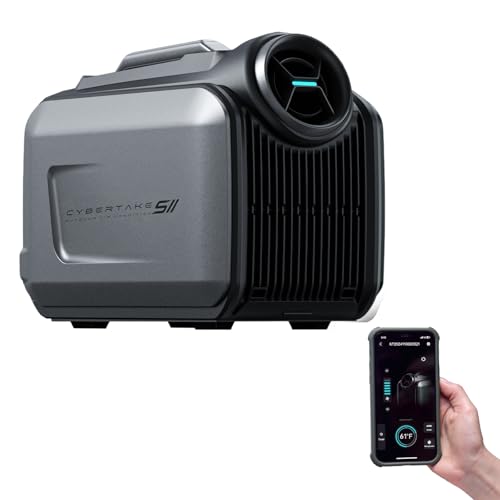
- 5,100 BTU cooling; 6,100 BTU heating
- Four modes, including dehumidification
- External power needed; converter sold separately
Best For: Small cabins needing portable heating and cooling with compatible power
Low-Power Cooling Pick

- 5200 BTU for a stated 130 sq. ft.
- Listed 400W draw; 45 dB sleep mode.
- Needs external power; no heating mode.
Best For: Small cabins with a compatible power station
Cooling-and-Heating Pick
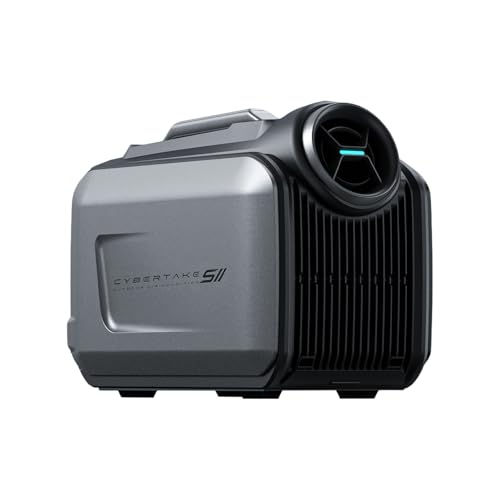
- 5100 BTU cooling and 6100 BTU heating.
- AC, 48V DC, and vehicle-power options.
- Eco+ claims 1 kWh per eight hours.
Best For: Small cabins needing both cooling and heating
Best Rooftop Option – 12V RV Air Conditioner with Heat
Among solar powered air conditioners for cabins, this 12V rooftop unit is worth considering if your cabin has a suitable roof opening and a substantial battery bank. It offers 11,000 BTU of cooling and 3,500 BTU of heating, but solar panels and batteries are separate.
Best For: Cabins with a compatible 14-by-14-inch roof opening and an existing 12V off-grid power system.
Pros:
- Provides both cooling and heating.
- Specified 45 dB operating noise.
- Fits a standard 14-by-14-inch RV roof opening and includes electrical protections.
Cons:
- Rooftop installation makes it unsuitable for cabins without a compatible opening.
- Battery runtime claims depend on large 12V batteries; a solar system is not included.
Its high cooling rating stands out, but plan the roof fit and battery capacity before treating it as a cabin solution.
Best Battery-Ready Portable – EF ECOFLOW WAVE 3
The EF ECOFLOW WAVE 3 is a portable choice among solar powered air conditioners for cabins, especially when you need cooling in a small space without a rooftop installation. Its listed 6,100 BTU cooling capacity and 1,024Wh LFP battery suit a more targeted setup; the supplied notes say it can charge from solar, but do not list panels as included.
Best For: Small cabins where portability, battery operation, and solar charging flexibility matter more than whole-cabin cooling.
Pros:
- Portable 12-by-13-by-20-inch design with a handle.
- Listed battery supports up to 8 hours of cordless operation.
- App controls and a specified 44 dB sleep mode.
Cons:
- Specified coverage is limited to roughly 120–180 square feet.
- Battery runtime will vary with operating conditions; solar charging requires an appropriate setup.
This is the easiest fit of the three for a small cabin without a roof retrofit, provided its coverage and power needs match your space.
Best Compact Heat-and-Cool – Cybertake S2 Pro
For shoppers comparing solar powered air conditioners for cabins, the Cybertake S2 Pro offers portable heating and cooling for spaces up to 130 square feet. It is AC/DC compatible, but the notes describe it as corded and say a boost converter must be purchased separately, so check your power setup before buying.
Best For: Small cabins needing a compact unit that can cool, heat, and dehumidify with a compatible external power source.
Pros:
- Rated at 5,100 BTU cooling and 6,100 BTU heating.
- Cool, Heat, Dehumidify, and Eco+ modes.
- Specified 40 dB noise level and IPX4 water-resistant shell.
Cons:
- No built-in battery or solar panel is listed.
- DC use may require a separately purchased boost converter.
Its heating and dehumidifying modes add versatility, but its modest coverage and external-power requirements make it a small-cabin pick rather than a plug-and-play solar package.
Low-Power Cooling Pick – 5200 BTU Portable Camping AC
Among solar powered air conditioners for cabins, this 400W compressor unit is worth considering for a small space with a compatible power station. It is not solar-powered on its own: the listed inputs are 110V AC, a 1500W+ power station, or EV vehicle-to-load power.
Best For: Small cabins up to the stated 130 sq. ft. where cooling matters more than heating and a suitable power source is available.
Pros:
- 5200 BTU cooling with a stated 400W power draw.
- Cooling, dry, sleep, and fan modes, plus a 24-hour timer.
- Carry handle, washable filter, and a listed 45 dB sleep mode.
Cons:
- No solar panel or battery is listed; power-station adapters are sold separately.
- Cooling only, with no heating mode listed.
The relatively low listed draw makes power planning more approachable, but check your station’s output and battery capacity before relying on it overnight. The 130 sq. ft. rating also makes this a small-cabin option rather than a whole-cabin solution.
For shoppers comparing solar powered air conditioners for cabins, the Cybertake S2 Pro offers both 5100 BTU cooling and 6100 BTU heating for a stated 130 sq. ft. It can use wall power, 48V DC power, or 12V/24V vehicle power with a separately purchased boost converter; solar panels and a battery are not listed as included.
Best For: Small cabins needing portable cooling and heating, with an appropriately configured external power source.
Pros:
- Cool, heat, dehumidify, and Eco+ modes cover more than summer use.
- Multiple listed power options: 100–240V AC, 48V DC, and 12V/24V vehicle power.
- 25.6-pound body, included hoses and adapters, and a listed 40 dB operating noise level.
Cons:
- The vehicle-power boost converter and remote control are sold separately.
- The claimed 1 kWh per eight hours applies to Eco+ mode, not necessarily full-output cooling or heating.
This is the more versatile choice if your cabin needs heat as well as AC. Size the battery and electrical connections for the mode you intend to use, and allow the stated 5–10 minutes for cooling performance to stabilize after startup.
How We Picked the Best Solar Powered Air Conditioners for Cabins
We focused on units with features relevant to off-grid use: DC power compatibility, relatively low stated power consumption, portable placement, or a rooftop design suited to permanent installation. The five selections are different types of air conditioners, not interchangeable answers for every cabin. Published BTU ratings, wattage, and runtime claims are starting points; actual performance depends on conditions, settings, and the power source.
Quick Comparison
For a cabin with a suitable roof and a planned 12V electrical system, the 11,000 BTU rooftop unit is the permanent-installation option. The EF ECOFLOW WAVE 3 is a portable choice for buyers who want flexibility and can accommodate its exhaust and drainage setup. The two Cybertake models advertise 5,100 BTU cooling and 6,100 BTU heating; compare their specific power connections and included accessories before choosing between them. The 5,200 BTU portable unit advertises 400W low-power operation, making its stated draw worth investigating if your battery budget is tight. None of these ratings alone tells you how well a unit will cool your particular cabin.
Key Buying Factors for Solar Powered Air Conditioners for Cabins
Start with an Energy Budget
Air conditioners use substantial energy even when their wattage looks modest. Estimate daily consumption by multiplying average running watts by expected hours of use. For example, 400W over eight hours equals 3.2kWh before inverter losses, battery reserve, or other cabin loads. Check whether a listed wattage is typical running demand, a minimum setting, or a maximum, and account for startup requirements.
Match the Unit to Your Power System
Confirm the required voltage, AC or DC input, connector, and whether an inverter or separate battery accessory is needed. A solar panel does not usually power an air conditioner reliably by itself: output varies with sun exposure, while a battery helps cover clouds, evenings, and startup surges. Size panels for both daytime use and battery recharging, using realistic local sun hours rather than the panels’ nameplate output alone.
Plan for the Cabin, Not Just the BTU Number
Insulation, shade, window area, ceiling height, and local heat all change the cooling load. Check the manufacturer’s recommended space size, then consider whether a portable unit can be vented effectively without drawing hot air back inside. Rooftop installation requires a suitable opening, structural support, weatherproofing, and roof clearance. For heat-pump models, verify heating performance at the outdoor temperatures you expect.
Who Should Buy Which Solar Powered Air Conditioners for Cabins?
Choose the rooftop 12V model if you want a fixed solution and are prepared for installation and a substantial electrical load. Choose a portable model if you rent, use the cabin occasionally, or need to move cooling between spaces. Prioritize the 400W-rated option when conserving energy is central to your plan, but verify its operating draw and venting requirements. Consider the Cybertake models if combined cooling and heating and flexible power inputs matter; compare their exact configurations. Whatever you choose, calculate the full system cost—AC, batteries, panels, charge controller, wiring, and any inverter—before buying.