Choosing the right split phase inverter charger can make or break an off-grid, backup, or hybrid solar system. The best models balance clean power output, reliable battery charging, and the right voltage match for your battery bank.
In this roundup, we focus on practical buyers’ needs: usable wattage, charging capability, split-phase support, and features that matter for real-world installations.
Best 10 Split Phase Inverter Charger Picks for 2026
Best Split Phase Output
Ampinvt 6000W Split Phase Inverter Charger

- 120/240V split-phase pure sine wave output
- Built-in battery charger and auto-transfer switch
- Supports AGM, GEL, flooded, and lithium batteries
Best For: Off-grid homes and backup systems that need a 48V split phase inverter charger with charging flexibility.
Best High-Power Split-Phase Pick
SUNGOLDPOWER 10KW 48V Split Phase Inverter

- 10kW pure sine wave output with 120V/240V split phase
- 2 built-in MPPTs and up to 200A battery charging
- WiFi monitoring and broad battery compatibility
Best For: Home backup, cabin, or workshop systems that need high-power split-phase output.
Best for UPS Backup
Ampinvt 1200W Pure Sine Inverter Charger

- Pure sine wave output with auto-transfer switching
- Adjustable charging current and multiple modes
- Works with lithium, AGM, gel, sealed, and flooded batteries
Best For: Users wanting a compact 12V inverter-charger for backup power and flexible battery support.
Best High-Capacity Split Phase

- 12,000W output with 24,000W surge for heavy loads
- Dual MPPT and up to 220A charging boost solar performance
- Parallel-capable up to 6 units for bigger systems
Best For: Large off-grid or hybrid solar setups that need strong split-phase power and easy expansion.
Best for Split-Phase Solar Homes
Ampinvt 5000W Split Phase Inverter Charger

- 120V/240V split-phase output for residential loads
- Built-in charger with adjustable current up to 35A
- Multiple battery modes and strong protections
Best For: Off-grid solar homes and backup systems that need split-phase output with battery charging.
Best for High-Capacity Homes
6500W Hybrid Solar Inverter 48V

- Dual MPPT with high solar input capacity
- Supports split-phase 120V/240V and parallel expansion
- Compatible with lithium, lead-acid, and battery-less modes
Best For: Homeowners and backup-power users who need a high-capacity split-phase inverter with flexible charging.
Best Split-Phase Off-Grid Charger
Ampinvt 6000W Split Phase Inverter Charger
- 120V/240V split-phase pure sine wave output
- Built-in 35A charger with adjustable current
- Supports AGM, GEL, Li-ion, and flooded batteries
Best For: Home backup and off-grid systems that need split-phase output with battery charging.
Best Split-Phase Power
VEVOR 6400W 48V Hybrid Solar Inverter
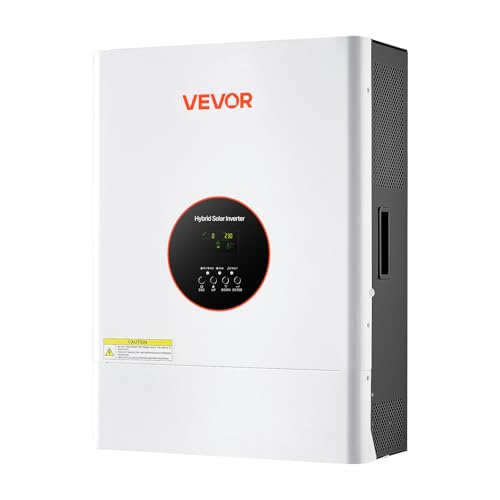
- 6400W low-frequency split-phase output
- Built-in 120A MPPT solar charge controller
- Pure sine wave with lithium and lead-acid support
Best For: Off-grid users who need a high-output 48V split-phase inverter charger with integrated solar charging.
Best Split Phase Charging Control
Ampinvt 5000W 48V Split Phase Inverter

- 120/240V split-phase pure sine wave output
- Adjustable battery charging up to 35A
- Supports AGM, GEL, flooded, Li-ion, and LiFePO4
Best For: Off-grid homeowners and backup-power buyers who need split-phase output with flexible charging.
Best Simple Pick
AMPINVT 5000W Off Grid Inverter Charger
- 120V/240V split-phase output for home loads
- Supports LiFePO4, AGM, GEL, and flooded batteries
- Adjustable charging and multiple operating modes
Best For: Off-grid homeowners who need split-phase power and flexible battery charging.
Best Split Phase Output – Ampinvt 6000W Split Phase Inverter Charger
If you need a split phase inverter charger for a 48V off-grid setup, this Ampinvt model is built for homes, cabins, and backup systems that need 120/240V output. It combines a pure sine wave inverter, battery charger, and auto-transfer switch, with adjustable charging current and multiple operating modes for different power sources.
Best For: Off-grid users who want a 48V split-phase inverter charger with built-in charging, generator support, and flexible battery compatibility.
Pros:
- Delivers 120/240V split-phase output with pure sine wave power
- Combines inverter, battery charger, and auto-transfer switch in one unit
- Supports several battery types, including SLA, AGM, GEL, lithium, and flooded
- Adjustable charging current and multiple priority modes add flexibility
Cons:
- Requires a 48V battery bank, so it is not a plug-and-play solution
- Large-capacity off-grid units like this may be more than small setups need
This split phase inverter charger stands out for buyers who need residential-style 120/240V output and a flexible charging setup in one package. It is a practical fit when you want one unit to manage inverter duties, battery charging, and source switching for an off-grid or backup power system.
Best High-Power Split-Phase Pick – SUNGOLDPOWER 10KW 48V Split Phase Inverter
If you need a split phase inverter charger that can handle a larger off-grid or hybrid setup, this SUNGOLDPOWER unit stands out for its 10,000W output, built-in dual MPPTs, and 120V/240V configurable split-phase support. It also adds WiFi monitoring, multiple charging priorities, and broad battery compatibility, making it a practical all-in-one option for serious home backup or cabin power.
Best For: Home backup, cabin, or workshop systems that need split-phase 120V/240V output with high battery charging capacity.
Pros:
- 10kW pure sine wave output with split-phase 120V/240V support
- Built-in 2 MPPT solar controllers and up to 200A battery charging
- Works with lithium, AGM, gel, flooded, and battery-free setups
- WiFi app monitoring plus CAN, USB, and RS485 communication
Cons:
- More inverter than small systems need
- Setup may be more involved than a basic plug-and-play unit
- Best value depends on whether you can use its full 10kW capacity
This split phase inverter charger is a strong fit if you want a feature-rich 48V hybrid inverter with high solar input flexibility and utility backup options. Its mix of split-phase output, dual MPPTs, and smart charging modes makes it especially appealing for users planning a scalable system.
Best for UPS Backup – Ampinvt 1200W Pure Sine Inverter Charger
If you want a compact split phase inverter charger alternative for 12V backup power, this Ampinvt unit is built around pure sine output, AC charging, and automatic transfer. It works well for protecting sensitive electronics during outages and can be set up with lithium, AGM, gel, sealed, or flooded batteries.
Best For: Home or off-grid users who need a 12V inverter-charger with UPS-style switchover and flexible battery support.
Pros:
- Pure sine wave output with built-in AC auto-transfer for backup use
- Adjustable charging current and multiple operating modes
- Supports lithium, AGM, gel, sealed, and flooded batteries
- Low-frequency design with strong overload and surge handling
Cons:
- Not a true split phase inverter charger for 120/240V split-phase systems
- 1200W capacity is modest for larger appliance loads
- Setup options may feel technical for first-time buyers
This is a practical pick if your priority is reliable battery backup rather than full-house power. For shoppers comparing split phase inverter charger options, it stands out more for versatility and UPS-like behavior than for high output or 240V split-phase support.
Best High-Capacity Split Phase – 12,000W Solar Hybrid Inverter
If you need a split phase inverter charger for a larger off-grid home, RV, cabin, or workshop, this 48V unit stands out for its 12,000W output, 240V split-phase support, and built-in dual MPPT solar charging. It is built to handle heavy loads while giving you room to expand later with parallel operation.
Best For: Buyers who want a high-output split-phase setup with strong solar charging, battery flexibility, and room to scale up to a larger system.
Pros:
- 12,000W continuous output with 24,000W surge capacity for demanding appliances
- Dual MPPT controllers and up to 220A battery charging for faster solar harvest
- Parallel support for up to 6 units, making expansion much easier
- UL1741 certified with pure sine wave output and broad battery compatibility
Cons:
- More advanced than a basic inverter, so installation and setup may take time
- Overkill for small cabins or light-duty backup power needs
- Higher-capacity systems usually require careful planning and matched components
This split phase inverter charger is a strong fit if you care more about power headroom and solar flexibility than compact size or simplicity. The dual MPPT design, split-phase output, and scalable parallel support make it a serious option for larger residential and small commercial installs.
Best for Split-Phase Solar Homes – Ampinvt 5000W Split Phase Inverter Charger
If you need a split phase inverter charger for a home or off-grid setup that can handle 120V/240V output, this Ampinvt unit is built around that use case. It combines inverter, charger, and transfer switch functions, while the low-frequency design and AVR support help keep power delivery steady for heavy loads.
Best For: Off-grid solar homes, backup power systems, and buyers who want split-phase output with built-in battery charging and transfer capability.
Pros:
- Split-phase 120V/240V output suits residential-style loads
- Built-in charger with adjustable current up to 35A
- Multiple battery and operating modes for flexible setups
- Strong protection features for overload, short circuit, and temperature
Cons:
- Large 5000W low-frequency design may be overkill for smaller systems
- Setup is more complex than a basic inverter
- Best results depend on matching the battery bank and load correctly
This is a capable split phase inverter charger for users who want serious off-grid flexibility rather than a simple plug-and-play inverter. Its charging modes, transfer options, and protection features make it a practical fit for solar backup systems, especially when 240V capability matters.
Best for High-Capacity Homes – 6500W Hybrid Solar Inverter 48V
If you want a split phase inverter charger that can handle real household backup needs, this 6500W hybrid model stands out for its dual MPPT inputs, 48V battery support, and flexible off-grid or grid-assisted operation. It’s built for larger solar arrays, configurable charging, and even battery-less operation when the system is set up correctly.
Best For: Homeowners, cabins, RVs, and small businesses that need a high-capacity inverter with split-phase support and flexible charging modes.
Pros:
- Dual MPPT controller supports up to 9kW of solar input
- Works with lithium or lead-acid batteries, plus battery-less operation
- Split-phase 120V/240V output with parallel expansion up to 6 units
- Multiple charging and output priority modes for different setups
Cons:
- More complex than a basic inverter for first-time installers
- Requires careful system design to take advantage of its full capacity
This is a strong choice if you need a split phase inverter charger that’s designed for flexible power management rather than just simple backup power. Its mix of high solar input, split-phase output, and hybrid charging makes it especially appealing for larger off-grid or backup systems.
Best Split-Phase Off-Grid Charger – Ampinvt 6000W Split Phase Inverter Charger
If you need a split phase inverter charger for a home backup or off-grid setup, this Ampinvt unit stands out for its 24V input, 120V/240V split-phase output, and built-in battery charging. It combines inverter, charger, and transfer switch functions in one box, which can simplify a full-system install for solar or generator support.
Best For: Homeowners building a 120V/240V off-grid or backup power system that needs battery charging and split-phase output.
Pros:
- Pure sine wave output with 120V/240V split phase support
- Built-in charger with adjustable charging current up to 35A
- Multiple battery profiles, including AGM, GEL, Li-ion, and flooded
- Several operating modes, including AC priority, battery priority, and generator mode
Cons:
- 24V design may not suit larger 48V battery banks
- Feature-rich setup may require careful configuration
- Large capacity and low-frequency design are more than some small systems need
Overall, this split phase inverter charger is a strong fit if you want a flexible all-in-one power center for a serious backup or off-grid installation. Its mix of split-phase output, battery charging, and protection features makes it especially useful for whole-home style applications.
Best Split-Phase Power – VEVOR 6400W 48V Hybrid Solar Inverter
If you need a split phase inverter charger for a 48V off-grid system, this VEVOR unit stands out for its 120V/240V output, built-in 120A MPPT controller, and low-frequency design. It’s aimed at setups that need solid startup power for heavier loads while still delivering clean pure sine wave output for sensitive electronics.
Best For: Off-grid homeowners or cabin owners who want a 48V split-phase inverter charger for appliances, tools, and mixed solar/battery use.
Pros:
- 6400W low-frequency split-phase output supports demanding equipment and appliances.
- Built-in 120A MPPT controller helps capture more solar energy efficiently.
- Pure sine wave power is safer for computers, TVs, and other sensitive devices.
- Wide battery support works with lithium, lead-acid, and custom 48V banks.
Cons:
- No WiFi monitoring, so remote app-based oversight isn’t included.
- 48V-only design won’t suit smaller or mixed-voltage battery systems.
- May be more inverter than needed for simple, low-power backup setups.
This is a practical pick if you want a split phase inverter charger that combines high output, solar charging, and battery flexibility in one off-grid package. The tradeoff is the lack of smart connectivity, but for hands-on systems that value dependable power delivery, it’s a strong fit.
Best Split Phase Charging Control – Ampinvt 5000W 48V Split Phase Inverter
If you need a split phase inverter charger for a 48V off-grid system, this Ampinvt model stands out for combining inverter output, battery charging, and automatic AC transfer in one unit. It’s built for homes that need 120/240V split-phase power, with flexible battery support and several operating modes for generator, grid, or solar-backed setups.
Best For: Off-grid homeowners and backup-power buyers who want split-phase output, adjustable charging, and broad battery compatibility.
Pros:
- 120/240V split-phase output with pure sine wave power
- Built-in battery charger with adjustable charge current up to 35A
- Works with AGM, GEL, flooded, Li-ion, and LiFePO4 batteries
- Multiple modes make it easier to match grid, generator, or battery-first setups
Cons:
- Large 5000W unit may be more than small cabins or light-duty backup needs require
- Setup can be more involved than a simple plug-and-play inverter
- Best results depend on proper battery bank sizing and wiring
Overall, this is a practical split phase inverter charger for buyers who want serious off-grid flexibility rather than a basic inverter. Its split-phase output, charging controls, and protection features make it a strong fit for home backup and solar installations.
Best Simple Pick – AMPINVT 5000W Off Grid Inverter Charger
If you need a split phase inverter charger for a 48V off-grid setup, this AMPINVT unit is built for whole-home solar and backup power. It combines a pure sine inverter, battery charger, and auto-transfer switch, with 120V/240V split-phase output for running standard household loads.
Best For: Off-grid homeowners who want split-phase output, flexible battery compatibility, and an inverter-charger that can handle heavier residential loads.
Pros:
- Split-phase 120V/240V output fits many home and shop circuits
- Supports multiple battery chemistries, including LiFePO4 and AGM
- Adjustable charging current up to 35A adds setup flexibility
- Low-frequency pure sine design with strong surge handling
Cons:
- May be more capacity than small cabin or light-duty backup systems need
- Setup and wiring are better suited to users comfortable with off-grid electrical installs
Overall, this split phase inverter charger stands out for buyers who want a practical all-in-one power center rather than a basic inverter. Its combination of split-phase output, battery charging, and multiple working modes makes it a solid fit for serious solar home systems.
How We Picked the Best Split Phase Inverter Charger Options
We looked for models that support 120/240V split-phase output, offer pure sine wave power, and include charging features suited to off-grid or hybrid use. We also favored units with enough continuous capacity for common household loads, plus practical extras like MPPT solar charging, low-frequency design, and configurable input/output settings.
Quick Comparison: What Matters Most
Not every inverter charger is built for the same job. Some are better for whole-home backup, while others fit smaller cabins, workshops, or battery systems with lighter demand. Compare continuous wattage, battery voltage, charging amps, and whether the unit is truly split phase or only supports single-phase output with select settings.
Key Buying Factors for a Split Phase Inverter Charger
Power Rating and Surge Capacity
Start with your real load. Motors, pumps, compressors, and well equipment can demand a high startup surge, so peak wattage matters as much as continuous output.
Battery Voltage and System Match
Most higher-power Split Phase Inverter Charger models use 48V battery banks because they handle larger loads more efficiently. Lower-voltage units can work well for smaller systems, but they are not ideal for heavy 240V use.
Charging Method and Speed
If you want solar integration, check for built-in MPPT controllers and charging current limits. If you rely on generator or grid charging, make sure the AC charger is strong enough to recharge the bank in a reasonable time.
Waveform and Frequency
Pure sine wave output is the safer choice for sensitive electronics, appliances, and mixed household loads. Low-frequency designs often handle surges better, which can be useful for inductive equipment.
Who Should Buy Which Split Phase Inverter Charger?
Choose a high-capacity 48V split-phase model if you need to support home backup loads, larger off-grid cabins, or workshop equipment. Pick a mid-range inverter charger if your system is mostly lights, electronics, and moderate appliances. Smaller 12V or 24V units make sense for lighter backup setups, but they are usually not the best fit if you want to power an entire 120/240V panel.
If you are building a solar-first system, prioritize models with dual MPPT or high solar input capacity. If reliability and surge handling matter most, focus on low-frequency pure sine wave units with a charger sized to your battery bank.