A wind turbine can help charge batteries after sunset or during cloudy weather—but only if your site has enough usable wind. The right setup depends less on the biggest advertised wattage and more on wind conditions, controller compatibility, and your daily energy needs.
These 10 options span small 12V turbines, larger 48V models, and solar-wind hybrid kits. Use the buying guide below to narrow the field before planning a complete installation.
Best 10 Off Grid Wind Turbine Systems Picks for 2026
Complete Hybrid Kit
880W Solar and Wind System with Batteries

- 480W solar plus 400W wind
- Includes two 100Ah LiFePO4 batteries
- 12V system with 2000W inverter
Best For: Bundled solar-and-wind power with storage
High-Output 48V Option

- 3000W stated rating
- MPPT controller included
- Designed for solar-hybrid use
Best For: Building a 48V off-grid setup
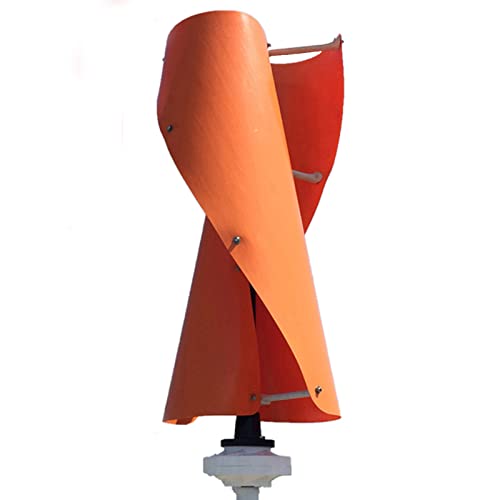
Vertical-Axis Pick
20000W-Rated 12V Wind Turbine Kit

- Three nylon-fiber blades
- No yaw mechanism needed
- Listed below-300-RPM protection
Best For: A 12V vertical-axis installation
Battery-Charging Turbine

- Digital MPPT controller included
- Three 105 cm nylon blades
- Tube or flange connection options
Best For: 48V off-grid battery charging
Best for Wind Monitoring
VEVOR 500W 12V Kit with Anemometer

- Includes wind-speed anemometer
- MPPT controller; 2.5 m/s start-up speed
- Tower pole not included
Best For: 12V setups needing wind-speed monitoring
Most Voltage Options
12000W Wind Turbine with MPPT Controller
- Lists 12V, 24V, 48V, and 220V options
- Describes 1.5 m/s start-up speed
- Headline wattage lacks supporting test details
Best For: Buyers able to verify specifications before choosing a voltage
Best Straightforward 12V Kit
VEVOR 500W Three-Blade Turbine

- 500W, 12V kit with MPPT controller
- 2.5 m/s start-up; 12 m/s rated wind speed
- Tower pole not included
Best For: 12V battery setups without a bundled anemometer
Best Hybrid Starter Kit
VEVOR 12V 400W Solar and Wind Kit
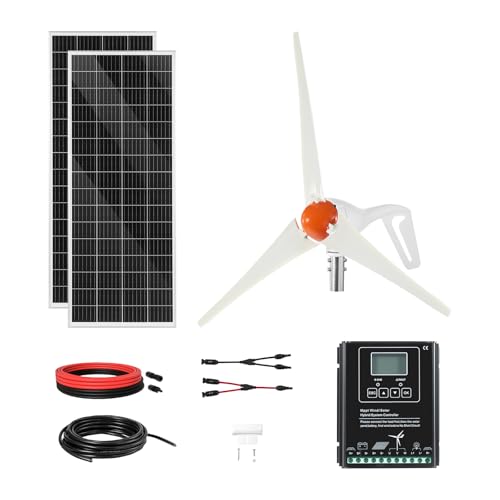
- Two 100W panels plus a 200W turbine
- Hybrid MPPT controller included
- Cables and assembly hardware included
Best For: Small 12V setups seeking a combined solar-and-wind kit
Best Heavy-Duty Pick
24V Three-Blade Wind Turbine Kit
- Vertical-axis, three-blade design
- Controller included
- 20,000W claim lacks supporting power-curve data
Best For: Buyers evaluating a 24V vertical-axis turbine for shifting winds
Eight-Blade DIY Option
Wind Turbine Kit With Charge Controller
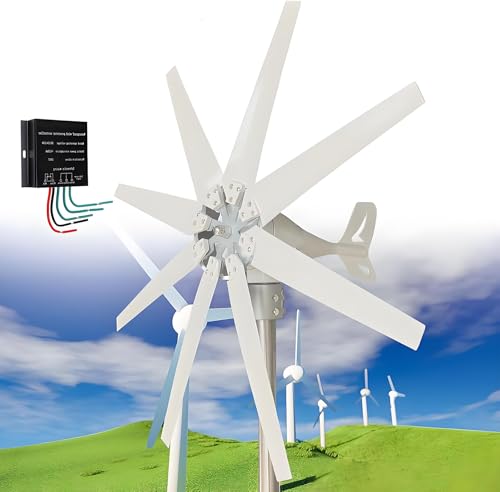
- Eight nylon-fiber/aluminum-alloy blades
- Permanent-magnet design and electromagnetic braking
- Verify voltage, package contents, and output rating
Best For: DIY projects where specifications can be confirmed before purchase
Complete Hybrid Kit – 880W Solar and Wind System with Batteries
For shoppers comparing off grid wind turbine systems, this 12V hybrid kit bundles four 120W solar panels, a 400W wind generator, two 100Ah LiFePO4 batteries, a 2000W inverter, and a dual MPPT hybrid charge controller. It is the most self-contained package in this roundup.
Best For: Cabins, sheds, RVs, or boats needing a bundled solar-and-wind setup with storage.
Pros:
- Includes batteries, inverter, controller, cables, and panel mounting brackets.
- Five-blade turbine has a stated 2.5 m/s starting wind speed.
- Pre-drilled solar panels simplify mounting and grounding.
Cons:
- The stated 880W total combines 480W of solar panels and a 400W wind generator; actual output depends on conditions.
- Its 12V configuration may not match an existing higher-voltage battery system.
Choose this kit if you want the major generation and storage components together, rather than sourcing a turbine, solar panels, batteries, and inverter separately.
High-Output 48V Option – 3000W Horizontal Wind Turbine
This 3000W-rated, 48V horizontal turbine suits buyers evaluating off grid wind turbine systems around a higher-voltage wind generator. It comes with an MPPT controller and is described as compatible with solar panels for a hybrid setup.
Best For: A 48V off-grid installation that needs a wind turbine with a supplied MPPT controller.
Pros:
- 3000W stated rating and 48V configuration.
- Included MPPT controller and stated solar-hybrid compatibility.
- Permanent-magnet generator is designed to reduce startup torque; product notes also list CE certification.
Cons:
- Solar panels, batteries, and an inverter are not listed as included.
- The claimed 20-year service life is an estimate, while the stated warranty is one year.
It is a better fit for someone assembling a 48V system than for someone seeking a complete, ready-to-store-power package. Match the controller and remaining components to your planned installation.
Vertical-Axis Pick – 20000W-Rated 12V Wind Turbine Kit
Among off grid wind turbine systems, this 12V vertical-axis model stands out for its three nylon-fiber blades and stated 20000W rating. Its vertical design accepts wind from different directions without a yaw mechanism, and the listing describes speed protection that keeps operation below 300 RPM.
Best For: Buyers specifically seeking a 12V vertical-axis turbine for a cabin, boat, or similar installation.
Pros:
- Vertical-axis design does not require a yaw mechanism to face changing wind directions.
- Listed RPM protection maintains operation below 300 RPM.
- Product notes describe included installation components and solar-panel integration.
Cons:
- The supplied notes do not identify a battery, inverter, or specific controller as included.
- The 20000W figure is a listing specification, not a documented real-world output under stated wind conditions.
Consider it for its vertical-axis layout and 12V designation, but confirm the package contents and performance specifications before planning the rest of an off-grid system around the headline wattage.
Battery-Charging Turbine – 2000W 48V Wind Generator
For a 48V battery-based build, this 2000W-rated horizontal generator is a focused choice among off grid wind turbine systems. It includes a digital MPPT charge controller and uses three 105 cm nylon blades with a permanent-magnet AC generator.
Best For: Charging batteries in an existing or planned 48V off-grid setup.
Pros:
- Digital MPPT charge controller is listed as included.
- Three molded nylon blades are designed for wind-energy utilization.
- Offers tube or flange mounting connections; the listed body is cast aluminum alloy.
Cons:
- Batteries, solar panels, and an inverter are not listed as included.
- The notes describe a low startup speed but provide no specific starting wind-speed figure.
This is worth comparing if you already know you need 48V wind charging rather than a complete hybrid kit. Check mounting compatibility and size the rest of the electrical system separately.
Best for Wind Monitoring – VEVOR 500W 12V Kit with Anemometer
Among these off grid wind turbine systems, this VEVOR 500W 12V model stands out for its included anemometer, which lets you check wind speed while planning battery charging.
Best For: Buyers who want a 12V wind turbine kit with a way to monitor local wind conditions.
Pros:
- Includes an anemometer for real-time wind-speed readings.
- Includes an MPPT controller and has a specified 2.5 m/s start-up wind speed.
- Die-cast aluminum body, nylon composite blades, and an adjustable tail suit outdoor installation.
Cons:
- Tower pole is not included.
- Its rated wind speed is 12 m/s, so the 500W rating should not be assumed in light winds.
The anemometer is the practical reason to choose this version over the otherwise similar VEVOR kit. Check your mounting plan and wind conditions before buying.
Most Voltage Options – 12000W Wind Turbine with MPPT Controller
This listing offers 12V, 24V, 48V, and 220V options for buyers comparing off grid wind turbine systems. It also describes an MPPT controller and a 1.5 m/s start-up wind speed, though the supplied details do not substantiate the headline 12000W output.
Best For: Buyers exploring multiple voltage options who can verify the turbine’s specifications and installation requirements before ordering.
Pros:
- Lists four voltage options and an MPPT controller.
- Aluminum-alloy blades and 360° wind adjustment are described.
- Double bearings are intended to reduce shaking and operating noise.
Cons:
- No rated wind speed or test conditions are supplied to support the 12000W claim.
- The screw-post-base installation description does not establish exactly which mounting parts are included.
Its voltage choices may be useful, but confirm the output curve, controller compatibility, and mounting contents rather than sizing a system from the headline wattage alone.
Best Straightforward 12V Kit – VEVOR 500W Three-Blade Turbine
This VEVOR 500W 12V kit is a straightforward candidate among off grid wind turbine systems for homes, farms, RVs, and boats. It pairs a three-blade generator with an MPPT controller, without the anemometer listed for the other VEVOR model.
Best For: Buyers planning a 12V battery-based setup who do not need a bundled wind-speed monitor.
Pros:
- Includes an MPPT controller and specifies a 2.5 m/s start-up wind speed.
- Three-phase permanent-magnet generator is described as compatible with most energy-storage batteries.
- Nylon composite blades, die-cast aluminum body, and adjustable tail support outdoor use.
Cons:
- Tower pole is not included.
- Rated wind speed is 12 m/s, so output will depend on site conditions.
Choose this kit if its 12V configuration fits your battery plans and you can provide suitable mounting; consider the anemometer version if wind-speed monitoring matters.
Best Hybrid Starter Kit – VEVOR 12V 400W Solar and Wind Kit
For shoppers comparing off grid wind turbine systems, this VEVOR kit combines two 100W monocrystalline solar panels, a 200W wind turbine, and a hybrid MPPT controller in one 12V package. It is a practical starting point if you want both energy sources without sourcing the main components separately.
Best For: 12V RV, boat, camping, or small off-grid setups that can accommodate both panels and a wind turbine.
Pros:
- Includes 200W of solar panels and a 200W wind turbine.
- Hybrid MPPT controller manages both energy sources and includes operating protections.
- Includes connection cables, extension cables, a wind turbine cable, and assembly hardware.
Cons:
- Its 400W rating combines solar and wind nameplate capacities; actual output depends on conditions.
- At 61.3 pounds, the kit calls for a suitable installation location.
The appeal is the coordinated hybrid package, not a guarantee of daily energy production. Check your available sun, wind, and mounting space before planning loads around the advertised up-to-1.6kWh-per-day figure.
Best Heavy-Duty Pick – 24V Three-Blade Wind Turbine Kit
This vertical-axis kit is an alternative among off grid wind turbine systems for buyers who prefer a turbine that accepts wind from changing directions without a yaw mechanism. The listing specifies a 24V configuration, three nylon-fiber blades, a controller, and automatic speed regulation.
Best For: Buyers considering a 24V vertical-axis turbine for a cabin, boat, gazebo, or similar installation.
Pros:
- Vertical-axis design does not require a yaw mechanism to face changing winds.
- Includes a controller and installation components.
- Advertised RPM protection is intended to keep operation below 300 RPM.
Cons:
- The listing does not provide a power curve or rated wind speed to substantiate its 20,000W claim.
- Mounting and site-specific installation requirements are not detailed in the supplied information.
The design may suit buyers prioritizing variable-direction wind capture, but treat the headline wattage cautiously. Request performance data and confirm the controller and mounting details before designing a 24V power system around it.
Eight-Blade DIY Option – Wind Turbine Kit With Charge Controller
This eight-blade kit is aimed at DIY buyers comparing off grid wind turbine systems for home, marine, or hybrid projects. Its description highlights nylon-fiber and aluminum-alloy construction, a permanent-magnet generator, electromagnetic braking, and a charge controller.
Best For: DIY buyers who can verify the exact voltage variant and mounting requirements before installation.
Pros:
- Eight-blade design uses nylon-fiber and aluminum-alloy materials.
- Permanent-magnet generator and electromagnetic braking are specified.
- Description cites hoop and flange connections for mounting to roofs, poles, or masts.
Cons:
- The title lists 12V, 24V, and 48V options, while the supplied details identify the color as 24V; confirm the variant before ordering.
- The stated 2.2-pound weight and 3.15-inch package dimensions warrant verification for a complete turbine kit.
- No power curve or rated wind speed is supplied to validate the 10,000W claim.
The component description makes this worth examining for a custom build, but the listing leaves important sizing questions unanswered. Verify what ships and obtain output specifications before pairing it with batteries or other system components.
How We Picked the Best Off Grid Wind Turbine Systems
We organized the 10 selected options by configuration, advertised capacity, battery voltage, and included equipment. The list covers stand-alone horizontal- and vertical-axis turbines as well as solar-wind hybrid kits. Because listings rarely provide comparable, independently verified power curves, we treat wattage claims as specifications to check—not proof of real-world output. This is a buying comparison, not a field-performance test.
Quick Comparison: Which Type Fits Your Setup?
Small 12V turbines: The 500W VEVOR models suit buyers exploring supplemental charging for a modest battery bank. Check whether the anemometer included with one listing matters to you; otherwise, compare the actual kit contents.
Solar-wind hybrids: The VEVOR 400W combined kit and the advertised 880W combined kit include solar panels alongside a turbine. They may simplify parts selection, but verify the controller’s separate solar and wind input ratings, battery support, and exactly which mounting and wiring parts are supplied.
Larger turbine listings: The 2,000W and 3,000W horizontal models, plus the advertised 10,000W–20,000W kits, call for closer scrutiny of rated wind speed, electrical specifications, tower requirements, and documentation. A high nameplate figure alone does not establish daily energy production.
Key Buying Factors for Off-Grid Wind Turbine Systems
Wind Resource and Siting
Start with your site, not the product label. Review local wind data and, if the investment is substantial, measure wind at the intended hub height. Nearby trees, roofs, and terrain create turbulence that cuts output and stresses equipment. A tower in clear airflow generally matters more than a low advertised start speed.
Realistic Energy Output
Ask for a power curve showing output at several wind speeds, the wind speed used for the rated wattage, and any annual energy estimate with its assumptions. Turbines produce far less than rated power much of the time. Compare expected watt-hours per day with your measured loads and allow for charging and inverter losses.
Electrical and Mechanical Compatibility
Match the turbine and controller to your battery-bank voltage and chemistry. Confirm controller current limits, dump-load or braking arrangements, inverter requirements, cable sizing, grounding, and overcurrent protection. Check tower and foundation specifications, blade clearance, noise, maintenance access, and local permits. For marine or exposed sites, confirm corrosion protection and the seller’s stated wind-survival rating. Installation may warrant a qualified electrician or installer.
Who Should Buy Which Off Grid Wind Turbine Systems?
Choose a small 12V turbine for modest supplemental charging if your site is genuinely windy. Choose a hybrid kit when you want solar for daylight generation and wind for complementary conditions, but inventory its components before ordering. Consider a larger 48V horizontal turbine for a substantial battery bank only after estimating energy output and budgeting for a suitable tower. Treat unusually large wattage claims—especially on compact kits—as a prompt to request power-curve data, dimensions, and independent documentation before committing.