Daylight sensors with remote monitoring can do more than switch lights on and off. Depending on the system, they can measure brightness, track environmental conditions, send alerts, or connect lighting decisions to a broader smart-home setup.
We selected ten options spanning wireless illuminance sensors, dusk-to-dawn controls, Z-Wave devices, Wi-Fi monitors, and cellular alert systems. Use the guide below to match the sensor type, connectivity, and monitoring features to your space.
Best 10 Daylight Sensors with Remote Monitoring Picks for 2026
Classroom Daylight Control
Lutron Wireless Daylight Sensor

- Wireless battery-powered operation
- Ceiling mount for classrooms
- White modern housing
Best For: Classroom ceiling installations
Connected Light Monitoring
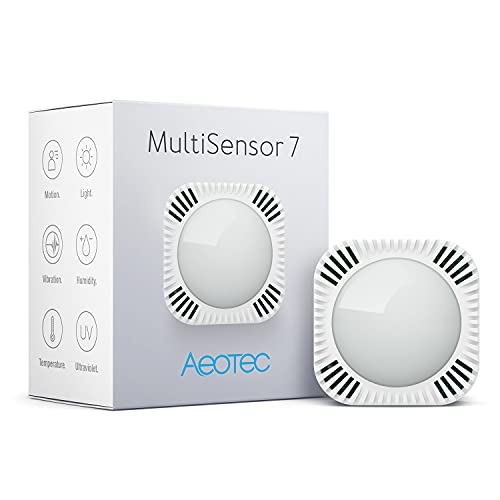
- Six-in-one Z-Wave sensing
- Measures light and environmental conditions
- Battery or USB powered
Best For: Smart-home hub users needing broad monitoring
Outdoor Remote Photocell

- Three operating modes with remote
- 15-meter control range
- IP65 and 6KV surge protection
Best For: Outdoor automatic lighting control
Cellular Climate Alerts

- 4G monitoring without required Wi-Fi
- App and email alerts
- Two-year record storage with CSV export
Best For: Remote temperature and humidity monitoring
Smart Home Pick

- Accurate luminance detection
- Tuya and Zigbee hub compatibility
- Remote smartphone monitoring
Best For: Connected lighting automation in Tuya-based smart homes
Whole-Home Energy Insight
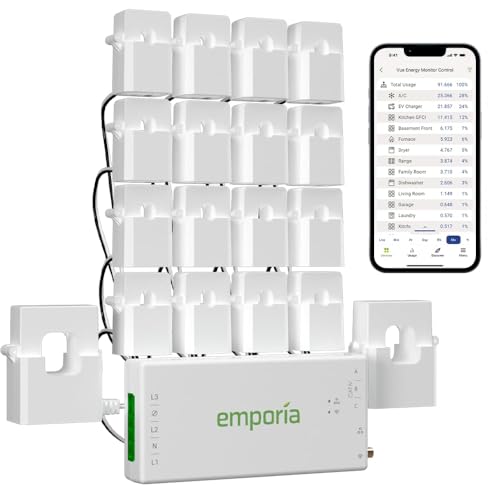
- Monitors whole-home and individual circuits
- Remote app access with real-time energy data
- UL listed; supports solar and net metering
Best For: Detailed remote energy monitoring and smart-home automation
Ambient Light & Climate Monitor
Smart WiFi Thermometer Hygrometer

- Measures light intensity in LUX
- Also tracks temperature and humidity
- Remote access and alerts without a hub
Best For: Indoor rooms needing light and climate monitoring
Cellular Backup Monitoring
Necto Temperature & Humidity Sensor

- Uses 4G LTE instead of Wi-Fi
- Alerts on temperature, humidity, and power loss
- Includes two years of cellular service
Best For: Remote monitoring where cellular backup and outage alerts matter
Classroom Daylight Control – Lutron Wireless Daylight Sensor
The Lutron LRF2-DCRB-WH is a ceiling-mounted wireless option for daylight sensors with remote monitoring in classroom environments. Its battery-powered design and remote control method suit installations where a wired sensor would be less convenient.
Best For: Classrooms and ceiling-mounted daylight-sensing applications requiring wireless operation.
Pros:
- Wireless, battery-powered design simplifies placement.
- Ceiling mount is suited to classroom lighting setups.
- White finish and modern style blend with many ceilings.
Cons:
- Supplied notes do not specify sensing range or remote-monitoring features beyond remote control.
- Battery operation requires eventual battery replacement.
This is a focused daylight sensor rather than a multipurpose environmental monitor. Choose it when a discreet ceiling installation and wireless control are more important than temperature, humidity, or motion data.
Connected Light Monitoring – Aeotec MultiSensor 7
The Aeotec MultiSensor 7 expands daylight sensors with remote monitoring into a broader Z-Wave monitoring system. Along with light level, it measures motion, temperature, humidity, UV, and vibration, and can connect to a compatible Z-Wave hub such as SmartThings.
Best For: Smart-home users who want remote light monitoring alongside multiple environmental and activity measurements.
Pros:
- Six-in-one sensing covers light, motion, temperature, humidity, UV, and vibration.
- Z-Wave Plus, Gen7, S2, and SmartStart support provide broad hub compatibility.
- Compact 1.8-inch design supports wall, shelf, corner, or recessed installation.
- Can run wirelessly on included batteries or use USB power.
Cons:
- Requires a compatible Z-Wave hub for connected monitoring.
- Its light sensor is part of a multipurpose device rather than a dedicated daylight-control sensor.
For buyers who want more than light readings, this is the most versatile option in the group. The choice between battery and USB power also makes it practical for both temporary and longer-term placements.
Outdoor Remote Photocell – Kekeou Dusk-to-Dawn Sensor
The Kekeou photocell combines daylight sensors with remote monitoring by pairing automatic dusk-to-dawn control with a 15-meter remote. It supports timer and sensor-off modes, works across 100–277V AC, and is designed for outdoor lighting installations.
Best For: Outdoor walls, porches, farms, and gardens where remote mode selection and weather-resistant photocell control are useful.
Pros:
- Offers dusk-to-dawn, timer, and sensor-off operating modes.
- 433 remote provides control from up to 15 meters.
- IP65 housing and 6KV surge protection support outdoor use.
- Handles up to 200W and supports multiple common light types.
Cons:
- Remote monitoring is limited to remote control and photocell operation, not app-based reporting.
- Installation requires connection to a 100–277V AC lighting circuit.
This is a practical outdoor lighting controller for buyers who want flexible automatic operation without specialized tools. Its sealed housing and broad voltage range make it more suitable for exterior fixtures than indoor smart-home monitoring.
Cellular Climate Alerts – Frigga 4G Temperature Monitor
The Frigga monitor is not a dedicated light sensor, but it is a strong remote-monitoring choice for temperature and humidity. Its 4G cellular connection, optional Wi-Fi, app access, email alerts, and two years of included cellular service support locations where local network access may be unreliable.
Best For: Vacation homes, RVs, basements, warehouses, cabins, and other spaces needing remote temperature and humidity alerts.
Pros:
- 4G monitoring works without requiring Wi-Fi and includes two years of cellular service.
- Supports app push, email, and on-device voice alerts.
- Offers optional 2.4GHz or 5GHz Wi-Fi connectivity.
- Stores up to two years of records with CSV download capability.
Cons:
- Does not measure daylight or light levels.
- Cellular service renewal costs $29.99 per year after the included period.
- Battery life is up to seven days, so long-term use may require plugging it in.
Choose this model when remote climate alerts matter more than daylight sensing. It provides substantially richer off-site reporting than the dedicated lighting products, but its measurements focus on temperature and humidity rather than illumination.
Smart Home Pick – Tuya Wi-Fi Light Sensor
For tuya Light Sensor, Accurate Luminance Detector for Smart Home Automation(Wifi)
Check Price On AmazonFor shoppers comparing daylight sensors with remote monitoring, this Tuya-compatible Wi-Fi sensor focuses on accurate luminance detection and convenient smartphone control. It can help automate lighting based on room brightness and integrate with compatible Smart Life devices.
Best For: Smart-home users who want app-based light monitoring and automated indoor lighting control.
Pros:
- Measures luminance to support brightness-based automation.
- Works with Tuya and Zigbee hubs for remote control and monitoring.
- Compact, lightweight design with a user-friendly installation approach.
Cons:
- Requires compatible Tuya, Zigbee, or Smart Life equipment for full functionality.
- The supplied details do not specify a luminance measurement range or battery information.
This is a practical choice for building a connected lighting routine, especially if your existing setup already uses Tuya or compatible Smart Life devices.
Outdoor Power Pick – SURAIELEC 20A Dusk-to-Dawn Timer
This SURAIELEC controller combines a dusk-to-dawn photocell with a 100-foot RF remote, making it a strong option among daylight sensors with remote monitoring for outdoor lighting. Its hardwired design supports higher-load applications such as security, landscape, and decorative lighting.
Best For: Outdoor lighting circuits that need weather-resistant dusk-to-dawn control and remote operation.
Pros:
- Handles up to 20A, 120V, 2400W, and 1HP for high-load devices.
- Automatically switches lights on at dusk and off at dawn.
- Includes a 100-foot RF remote and multiple delayed shutoff settings.
- Weather-resistant housing is designed for outdoor conditions.
Cons:
- Hardwired installation may require electrical experience or a professional installer.
- Remote control uses RF rather than smartphone-based monitoring.
- Its 2-by-3-by-5-inch housing may require checking available box space.
Choose this model when load capacity, outdoor durability, and long-range remote operation matter more than app connectivity.
Multisensor Pick – Aeotec TriSensor 8 Z-Wave
The Aeotec TriSensor 8 is a flexible choice for daylight sensors with remote monitoring when you also want motion and temperature data. Its Z-Wave 800 connectivity works with compatible hubs, while the light sensor measures up to 30,000 lux and supports adjustable calibration.
Best For: Z-Wave smart-home users seeking combined light, motion, and temperature sensing.
Pros:
- Combines motion, temperature, and light sensing in one device.
- Measures light from 0 to 30,000 lux with stated ±3% accuracy.
- Compatible with certified Z-Wave gateways including SmartThings and Vera.
- Z-Wave 800 supports extended mesh range or up to 2,500 feet with Long Range.
Cons:
- Requires a compatible Z-Wave hub or gateway.
- Battery power is estimated at about one year and requires a CR123A battery.
- Motion detection is limited to a stated maximum range of 23 feet.
This multisensor is well suited to automations that respond to both available daylight and occupancy, provided your home already uses a compatible Z-Wave platform.
Whole-Home Energy Insight – Emporia Vue 3
The Emporia Vue 3 is a whole-home energy monitor rather than a conventional daylight sensor, but its clamp-on sensors and remote app access make it useful for homeowners comparing electricity use with lighting and automation routines. It provides real-time energy data, solar and net-metering monitoring, and appliance-level visibility through a 2.4 GHz Wi-Fi connection.
Best For: Homeowners who want detailed circuit-level energy monitoring and remote management.
Pros:
- Includes sixteen branch sensors for monitoring critical circuits.
- Supports real-time reporting, solar monitoring, and net metering.
- UL listed and compatible with iPhone, Android, and web apps.
- Can support automated energy-management settings for time-of-use and peak-demand programs.
Cons:
- Requires installation in the electrical panel and a 2.4 GHz Wi-Fi internet connection.
- One-second data is available only while the app is open and is retained for three hours.
- Some three-phase configurations require an additional sensor sold separately.
Choose the Vue 3 when remote energy visibility matters more than direct daylight measurement. Its broad circuit coverage and cloud reporting make it a strong companion for smart-home energy projects, though panel installation may require professional assistance.
Ambient Light & Climate Monitor – Smart WiFi Thermometer Hygrometer
For buyers seeking daylight sensors with remote monitoring, this Wi-Fi thermometer hygrometer adds light-intensity readings to temperature and humidity data. Its display shows all three measurements, while the companion connection enables remote checks and push alerts without requiring a hub.
Best For: Smart-home users monitoring room brightness alongside temperature and humidity.
Pros:
- Displays temperature, humidity, and light intensity in LUX.
- Supports remote viewing and push alerts through Wi-Fi.
- Runs on two AA batteries and uses low sleep current for extended operation.
- Compact design suits rooms, basements, warehouses, and server rooms.
Cons:
- Requires a 2.4 GHz Wi-Fi network for connectivity.
- Temperature accuracy is listed as 1 degree Celsius.
- The supplied notes do not specify a separate light-alert threshold feature.
This is the most direct fit for monitoring daylight or ambient brightness while also tracking indoor climate conditions. It is convenient for remote room checks, provided the installation location has reliable 2.4 GHz Wi-Fi coverage.
Cellular Backup Monitoring – Necto Temperature & Humidity Sensor
The Necto is designed for dependable remote condition monitoring where Wi-Fi may be unavailable or power interruptions are a concern. Although it does not measure daylight, its cellular connection, power-outage detection, and configurable alerts make it a practical companion for locations where continuous monitoring is more important than direct light measurement.
Best For: RVs, homes, and other indoor locations needing cellular temperature, humidity, and outage alerts.
Pros:
- Includes two years of 4G LTE service with no Wi-Fi required.
- Sends configurable text and email alerts to up to five contacts.
- Monitors power loss and continues operating for up to three days on its rechargeable battery.
- Stores readings for one year and supports CSV downloads.
Cons:
- It does not include a daylight or light-intensity sensor.
- After the included two-year service period, cellular service requires a paid renewal.
- The online portal updates the most recent reading every ten minutes, despite sensor readings every ten seconds.
Pick the Necto when cellular reliability and outage protection outweigh the need for daylight measurements. Its independent network connection and backup battery are especially useful for remote or vulnerable spaces, but buyers specifically needing light data should choose a sensor with a LUX function.
How We Picked the Best Daylight Sensors with Remote Monitoring
We compared these products by looking at the type of light measurement they provide, how remotely they can be monitored or controlled, and what additional hardware is required. We also considered installation style, communication protocol, alert capabilities, power requirements, coverage, and suitability for indoor, outdoor, residential, and light commercial use.
The list includes dedicated daylight and dusk-to-dawn sensors as well as multifunction devices that measure light alongside temperature, humidity, motion, energy use, or power status. That distinction matters: a simple photocell may be ideal for automatic exterior lighting, while a connected multisensor may be better for automation and remote visibility.
Quick Comparison
- Best for wireless lighting control: Lutron LRF2-DCRB-WH.
- Best for broad Z-Wave automation: Aeotec MultiSensor 7.
- Best for outdoor dusk-to-dawn switching: Kekeou or SURAIELEC controls.
- Best for cellular alerts: Frigga or the Cellular Temperature Monitor.
- Best for Wi-Fi light-level monitoring: the Tuya-compatible light sensor.
- Best for energy-focused automation: Emporia Vue 3.
Key Buying Factors for Daylight Sensors with Remote Monitoring
Light Measurement and Control Method
Check whether the product measures ambient illuminance for automation or simply detects a dusk-to-dawn threshold. A light sensor paired with a hub can support scenes and schedules, whereas a hardwired photocell usually provides straightforward local switching. Confirm voltage, load rating, and whether the device controls lights directly.
Connectivity and Remote Access
Wi-Fi models typically need a reliable home network and compatible app. Z-Wave sensors require a compatible hub but can offer dependable local automation and broader smart-home integration. Cellular monitors are useful where Wi-Fi is unavailable or where independent outage and environmental alerts are important; check subscription requirements and network coverage.
Installation, Power, and Placement
Battery-powered sensors are easier to place but require maintenance and may sleep between readings. Wired units can be more dependable for permanent installations, though electrical work may be necessary. Place the sensor where it sees representative daylight, away from the controlled fixture’s glare, shade from structures, or heat sources that could distort readings.
Alerts and Additional Measurements
If remote monitoring is the priority, look for app notifications, email alerts, historical data, and configurable thresholds. Temperature, humidity, motion, UV, vibration, and energy measurements can add value, but they may also increase setup complexity. Choose only the measurements that support your use case.
Who Should Buy Which Daylight Sensors with Remote Monitoring?
Choose a dedicated Lutron sensor for a clean wireless lighting installation within a compatible ecosystem. Select a Kekeou or SURAIELEC control for practical outdoor dusk-to-dawn switching where local operation matters more than detailed data. Aeotec models suit buyers who already use Z-Wave and want light sensing combined with security or environmental automation.
For remote alerts in a garage, vacation property, greenhouse, or utility area, a cellular temperature and humidity monitor is often more dependable than a Wi-Fi-only device. Choose a Tuya-compatible sensor or smart Wi-Fi thermometer when you want app-based light readings in a connected home. Finally, consider Emporia Vue 3 when daylight automation is part of a larger effort to understand and reduce electricity use.