In today’s world, optimizing your home’s energy use is more important than ever, especially if you’re harnessing solar power. With the right home energy management systems, you can greatly enhance efficiency and cut costs. From advanced monitoring tools to smart plugs, these solutions offer real-time insights and control over your energy consumption. Curious about which systems stand out in the market and how they can transform your home? Let’s explore the top options available.
SIEMENS Inhab Smart Home Energy Monitor

The SIEMENS Inhab Smart Home Energy Monitor is the ideal choice for homeowners looking to gain precise control over their energy usage. With its ability to monitor real-time electricity consumption through 16-50Amp circuit level sensors and 2-200Amp main sensors, you can track both current and historical energy data 24/7. It installs easily in existing or new electrical panels, measuring usage directly at the mains and individual circuits. You’ll appreciate features like personalized energy notifications and advanced management functions, helping you optimize energy savings and manage solar resources effectively. Take charge of your energy consumption for a more sustainable home!
Best For: Homeowners seeking to monitor and optimize their energy consumption with real-time data and advanced management features.
Pros:
- Provides real-time monitoring of energy usage for both main and branch circuits.
- Includes personalized notifications for energy savings opportunities and abnormal appliance behavior.
- Easy installation compatible with existing or new electrical panels.
Cons:
- May require professional installation for those unfamiliar with electrical systems.
- Limited to monitoring only compatible circuits and devices.
- Higher initial investment compared to basic energy monitoring options.
EF ECOFLOW DELTA Pro Ultra Power Station
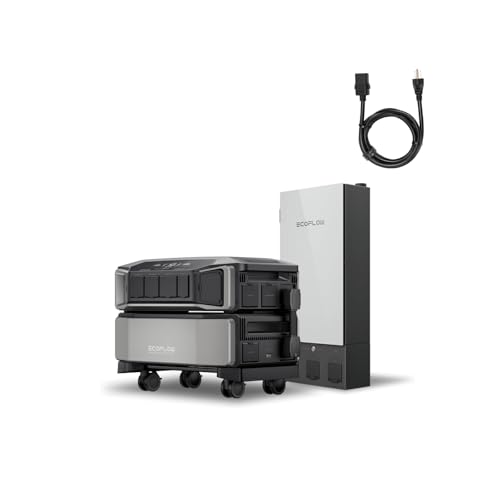
For homeowners looking to enhance energy resilience, the EF ECOFLOW DELTA Pro Ultra Power Station stands out with its impressive 7200W AC output and rapid charging capabilities. This 6144Wh power station supports both 120V and 240V, allowing you to run heavy appliances, including a 3-ton central air conditioner. With the EcoFlow Smart Home Panel 2, you can expand your system to 90kWh and manage energy efficiently. It features a 20-ms auto-switchover for uninterrupted power during outages, ensuring your food stays fresh. Plus, you can prioritize circuits via the EcoFlow app to optimize usage and lower energy bills.
Best For: Homeowners seeking a reliable backup power solution for managing heavy appliances and ensuring energy resilience during outages.
Pros:
- Rapid charging capabilities allow for a full recharge in just 2 hours, faster than most solar generators of its size.
- High output power of 7200W can support heavy appliances like a 3-ton central air conditioner, making it suitable for home use.
- Smart energy management features via the EcoFlow app enable users to optimize power usage and reduce energy bills.
Cons:
- Requires separate shipping for the DELTA Pro Ultra Power Station and the Smart Home Panel 2, which may inconvenience users.
- Higher initial investment compared to traditional generators, which could be a barrier for some homeowners.
- Limited portability due to its size and weight, making it less ideal for on-the-go power needs.
SIEMENS Inhab Load Manager – Intelligent Energy Management System

Maximizing your home’s energy efficiency is essential, especially if you’re looking to integrate solar power seamlessly. The SIEMENS Inhab Load Manager is an intelligent, programmable energy management system that helps you optimize your energy use. Certified by UL, it maximizes your electrical panel’s capacity, preventing costly upgrades while using real-time data to manage consumption. You can connect to various loads, like EV chargers and air conditioners, without worrying about overloads. With easy installation and compatibility with any brand load center, this system’s sleek design guarantees it fits perfectly in your home, helping you embrace a greener future.
Best For: Homeowners looking to enhance their energy efficiency and manage power consumption effectively.
Pros:
- Maximizes electrical panel capacity, reducing the need for expensive upgrades.
- Compatible with various loads, including EV chargers and appliances, ensuring versatile use.
- Easy installation by qualified personnel, adhering to National Electrical Code standards.
Cons:
- Limited to managing 2-pole loads up to 60A, which may not be sufficient for larger systems.
- Customer reviews indicate mixed satisfaction, with an average rating of 3.6 out of 5 stars.
- The IP rating of IP00 suggests limited protection against dust and water exposure.
Kasa Smart Plug (2-Pack) – Matter Compatible & Energy Monitoring

Energy monitoring makes the Kasa Smart Plug (2-Pack) an ideal choice for anyone looking to optimize their home energy management system, especially those integrating solar solutions. These compact, Matter-compatible plugs track energy usage, helping you understand your consumption patterns better. With seamless integration across platforms like Apple Home, Alexa, and Google Home, you can manage your devices effortlessly through a single app. The easy setup and voice control features enhance your experience, letting you switch appliances on or off with simple commands. Plus, the plugs are UL certified, ensuring safety and reliability in your smart home setup.
Best For: Those seeking an efficient and user-friendly solution for managing energy consumption in a smart home environment.
Pros:
- Energy Monitoring: Tracks energy usage to help optimize consumption patterns.
- Wide Compatibility: Works seamlessly with multiple smart home platforms like Apple Home, Alexa, and Google Home.
- Easy Setup: Quick and straightforward installation process, along with voice control features for convenience.
Cons:
- Limited to 15 Amps: May not support high-power appliances that exceed this rating.
- Requires Wi-Fi: Dependent on a stable internet connection for functionality.
- Single Plug Design: Only two plugs per pack may not be sufficient for larger households with more devices.
Smart Home Energy Monitor with 16 Circuit Level Sensors

The Smart Home Energy Monitor with 16 Circuit Level Sensors is perfect for renters and those living in shared apartments who want to keep track of their electricity usage. This compact device installs easily in circuit panels with clamp-on sensors, providing real-time power tracking and cost management. You can monitor energy usage anytime, anywhere, with accuracy down to 1%. Plus, it includes customizable rate templates to help minimize your bills. Compatible with Home Assistant and featuring WiFi connectivity, it allows you to manage energy consumption efficiently. With a 1-year warranty and great customer support, it’s a reliable choice for your energy needs.
Best For: Renters and individuals living in shared apartments looking to monitor and manage their electricity usage effectively.
Pros:
- Easy installation with clamp-on sensors for quick setup in circuit panels.
- Provides real-time energy monitoring with 1% accuracy, allowing for precise tracking of power usage.
- Compatible with Home Assistant and features WiFi connectivity for remote management.
Cons:
- Limited to single-phase and three-phase systems, which may not suit all electrical setups.
- Requires a WiFi connection for full functionality, which may be a limitation for some users.
- Initial cost may be a consideration for budget-conscious consumers.
Anker SOLIX F3000 Power Saver Kit for Solar Generator

For homeowners looking to optimize their solar energy use, the Anker SOLIX F3000 Power Saver Kit is an excellent choice. This kit includes a Smart Meter that monitors energy usage every 15 seconds, ensuring you prioritize solar electricity for maximum efficiency. The bi-directional inlet box makes it easy to connect the SOLIX F3000 to your home circuit, simplifying installation. By reducing your reliance on the grid, you could save up to $1,560 annually. With components like current transformers and an extendable antenna, this kit enhances your energy management, helping you make the most of your solar investment.
Best For: Homeowners seeking to optimize their solar energy usage and reduce reliance on the grid.
Pros:
- Real-time AI energy monitoring every 15 seconds for optimal efficiency.
- Easy installation with a bi-directional inlet box for seamless connection to home circuits.
- Potential annual savings of up to $1,560 by maximizing solar electricity use.
Cons:
- Requires compatible SOLIX F3000 Series equipment for full functionality.
- Initial investment cost may be high for some homeowners.
- Dependence on solar energy availability can affect overall savings.
EF ECOFLOW Smart Home Panel 2 for Whole-home Backup Solutions

When seeking a reliable whole-home backup solution, the EF ECOFLOW Smart Home Panel 2 stands out for its impressive ability to manage multiple energy sources, including solar and gas. It connects seamlessly with DELTA Pro Ultra and DELTA Pro 3, providing a robust hub for energy management. You can store up to 36kWh, ensuring you have enough power for all your appliances. With a quick 20-ms auto-switched feature, you won’t have to worry about outages. Plus, it supports dual-fuel generators, making it versatile and dependable. Enjoy peace of mind and energy independence with this smart panel in your home.
Best For: Those looking for a versatile and efficient whole-home backup solution that can manage multiple energy sources and provide reliable power during outages.
Pros:
- Multiple Energy Sources: Supports integration of solar and gas energy, promoting cost-effective and sustainable energy use.
- High Storage Capacity: Allows for extensive energy storage options, accommodating up to 36kWh to power all household appliances.
- Quick Auto-Switchover: Features a 20-ms auto-switching mechanism for uninterrupted power supply during outages.
Cons:
- Weight: At 40 pounds, the unit may be cumbersome for some users to install or relocate.
- Compatibility Limitations: Although versatile, it requires specific EcoFlow products for optimal performance.
- Customer Rating: Holds a moderate customer rating of 4.0 out of 5 stars based on 83 reviews, indicating mixed user experiences.
Emporia Vue 3 Home Energy Monitor

Emporia Vue 3 Home Energy Monitor stands out as an ideal choice for homeowners looking to optimize their energy consumption, especially if you’re harnessing solar power. With real-time monitoring and support for solar and net metering, you can easily track your energy usage. Its UL certification guarantees safety, while the installation process is straightforward, fitting most circuit panels. You can automate settings to manage peak demand and utilize excess solar energy efficiently. Plus, with a 1-year warranty and impressive customer ratings, you can trust that you’re making a smart investment for a greener future.
Best For: Homeowners seeking to optimize energy consumption and efficiently manage solar power usage.
Pros:
- Real-time monitoring of electricity usage helps identify energy-saving opportunities.
- Supports solar and net metering, making it ideal for solar energy users.
- Easy installation in most homes with clamp-on sensors.
Cons:
- Additional purchase required for 3-phase, 4-wire Wye systems.
- Data retention limits may not suit users who need longer historical data.
- Some users may find the app interface less intuitive than desired.
Anker SOLIX Smart Inlet Box for Whole-Home Backup

The Anker SOLIX Smart Inlet Box is an ideal solution for homeowners seeking reliable whole-home backup during power outages. This weatherproof, NEMA 3R-rated device effortlessly connects to your existing rooftop solar, storing 100% of excess solar and off-peak grid power for peak usage. With Smart Daily Savings, it can cut your electricity bills by up to 80%. The plug-and-play setup is quick and requires no special tools. Plus, its Storm Guard Mode guarantees you’re prepared for severe weather by automatically recharging before storms. Enjoy peace of mind knowing you’ve got dependable backup power when you need it most.
Best For: Homeowners looking for an efficient and reliable backup power solution with solar integration and storm preparedness features.
Pros:
- Reduces electricity bills by up to 80% through innovative energy storage and usage strategies.
- Quick and easy installation with no special tools required, allowing for a hassle-free setup.
- Storm Guard Mode ensures preparedness for severe weather by automatically recharging the system before storms.
Cons:
- Initial cost may be a barrier for some homeowners considering the investment in backup power.
- Requires existing rooftop solar for optimal functionality, limiting use for those without solar panels.
- Dependence on weather conditions for solar energy generation might affect performance during extended cloudy periods.
EcoFlow Smart Gateway (200A) with Remote-control Circuits

For homeowners looking to optimize their energy use, the EcoFlow Smart Gateway (200A) stands out with its six remote-control circuits, allowing you to manage your energy consumption effortlessly. This intelligent panel is compatible with DELTA Pro Ultra X, solar systems, EV chargers, and generators, ensuring seamless integration. With a rapid switching time under 20 ms, it automatically sheds non-essential loads during backup, keeping your essentials powered. Compact yet sturdy, it measures 15.16 x 7.4 x 35.63 inches and is backed by a 5-year warranty. Plus, you can return it within 30 days if it doesn’t meet your needs.
Best For: Homeowners seeking to efficiently manage energy consumption and ensure power supply during outages.
Pros:
- Seamless integration with various systems including solar, EV chargers, and generators.
- Rapid switching time under 20 ms for automatic shedding of non-essentials during backup.
- 5-year warranty provides peace of mind and assurance of product durability.
Cons:
- Single phase design may limit use in larger, multi-phase setups.
- Plastic construction may raise concerns about long-term durability compared to metal counterparts.
- Best Sellers Rank suggests it may not be as widely recognized as other brands in the market.
Factors to Consider When Choosing Home Energy Management Systems With Solar
When you’re choosing a home energy management system with solar, it’s crucial to take into account several key factors. You’ll want to verify compatibility with your solar setup, as well as features like real-time monitoring and energy management capabilities. Don’t forget to assess the installation process and the costs, including warranty options, to make the best decision for your needs.
Compatibility With Solar Systems
Choosing a home energy management system that works well with your solar setup can greatly enhance your energy efficiency and savings. First, confirm the system is compatible with both solar panels and backup generators for seamless integration. Look for options that support net metering, letting you track and manage excess solar energy effectively during peak demand hours. It’s also beneficial to choose systems that automatically switch between solar energy and grid power, helping you reduce reliance on the grid and cut electricity bills. Additionally, verify that the system can accommodate expandable battery storage options, maximizing your solar energy retention and confirming a reliable power supply during outages. This compatibility is key to optimizing your energy usage and enhancing your home’s sustainability.
Real-Time Monitoring Features
Integrating real-time monitoring features into your home energy management system can greatly enhance your solar energy experience. These features let you track energy consumption instantly, giving you up-to-the-minute data on usage across various circuits and appliances. Advanced sensor technology, like 16-50Amp circuit level sensors, measures energy use directly at your electrical panel for precise reporting. This enhanced monitoring helps you identify abnormal consumption patterns, allowing you to receive alerts for potential savings. Many systems also integrate with your solar setup, enabling real-time tracking of solar production and consumption. Plus, you can customize electricity rate templates for peak, off-peak, and holiday pricing, which helps manage costs and lower your electric bills effectively.
Energy Management Capabilities
To effectively harness the benefits of solar energy, it is crucial to contemplate the energy management capabilities of your home energy management system. Look for real-time monitoring features that let you track energy consumption and identify savings opportunities. Advanced functionalities like Time of Use Management and Peak Demand Management can optimize your usage based on fluctuating electricity rates throughout the day. Integration with your solar setup helps you manage excess production, allowing you to store or utilize solar energy efficiently instead of relying on the grid. Customizable electricity rate templates can aid in managing costs during peak pricing, while compatibility with smart devices enhances your ability to control energy use, leading to reduced utility bills and improved efficiency.
Installation and Setup Ease
How easy is it to install a home energy management system with solar integration? Look for systems that offer plug-and-play options, which can cut down installation time and complexity. It’s essential to guarantee compatibility with your home’s electrical configuration, whether it’s single-phase, split-phase, or three-phase. Choose systems that come with detailed installation guides and video resources to help you through the process. Pre-wired cables for both grid and backup power can streamline connections, reducing the need for specialized tools. Finally, evaluate the availability of professional support and installation services; having that extra assistance can guarantee your energy management system is set up correctly and functions seamlessly, giving you peace of mind.
Cost and Warranty Options
When considering a home energy management system (HEMS) with solar capabilities, understanding the cost and warranty options can greatly impact your decision. You’ll want to evaluate the total cost of ownership, including installation fees and equipment prices, while keeping potential savings on electricity bills in mind. Warranty options can differ considerably, so compare coverage details and lengths, as some warranties last from one to five years. Look for systems with clear return policies, like a 30-day money-back guarantee, to guarantee satisfaction. Don’t forget to assess features like time-of-use pricing management to reduce costs during peak demand. Finally, confirm compatibility with your existing solar setup, as this can enhance efficiency and lower overall expenses.