If you’re looking to take control of your energy consumption, smart home energy management systems can make a significant difference. These devices not only help you monitor usage but also provide insights that can lead to savings. With options ranging from circuit-level sensors to smart plugs, there’s a solution for every home. Curious about which systems stand out and what factors to evaluate before choosing one? Let’s explore the top contenders.
SIEMENS Inhab Smart Home Energy Monitor with Circuit Level Sensors

The SIEMENS Inhab Smart Home Energy Monitor is ideal for homeowners who want to take control of their energy usage with precision. This device features real-time monitoring through 16-50Amp circuit level sensors and 2-200Amp main sensors, giving you a detailed view of your energy consumption 24/7. You can easily install it in existing or new electrical panels, tracking usage for up to 16 circuits. With personalized alerts and advanced energy management functions, you can optimize your energy use, manage peak demand, and even receive notifications for saving opportunities. Enjoy efficient energy monitoring that fits seamlessly into your lifestyle.
Best For: Homeowners seeking precise control and real-time insights into their energy consumption.
Pros:
- Comprehensive Monitoring: Monitors energy usage at both the whole home and individual circuit levels.
- Advanced Management Features: Offers tools for Time of Use Management and Peak Demand Management to enhance energy efficiency.
- Personalized Alerts: Sends custom notifications for energy-saving opportunities and abnormal appliance behaviors.
Cons:
- Installation Complexity: May require professional installation for those unfamiliar with electrical systems.
- Limited to Compatible Panels: Only works with certain types of electrical panels, which may restrict some users.
- Weight and Size: At 4.8 pounds and compact dimensions, it may be less robust than larger energy monitoring systems.
Kasa Smart Plug, Matter Compatible (2-Pack)

Designed for tech-savvy homeowners, the Kasa Smart Plug, Matter Compatible (2-Pack) offers seamless integration with popular smart home platforms like Apple Home, Amazon Alexa, and Google Home. These compact plugs handle up to 15A/1800W, allowing you to control appliances effortlessly. With energy monitoring features, you’ll track usage and understand your consumption patterns better. Plus, setting up is a breeze, and you can manage everything through voice commands or the Kasa App. Future-proofed with Matter compatibility, these plugs guarantee your smart home evolves alongside technology, making them a smart choice for optimizing energy use.
Best For: Tech-savvy homeowners looking to enhance their smart home experience with energy monitoring and seamless integration across multiple platforms.
Pros:
- Compatibility with major smart home platforms like Apple Home, Amazon Alexa, and Google Home for versatile control.
- Energy monitoring feature helps users track and optimize their electricity consumption.
- Easy setup process and user-friendly management through voice commands or the Kasa App.
Cons:
- Limited to a maximum load of 15A/1800W, which may not support high-power appliances.
- Requires a Wi-Fi connection for full functionality, which may be a limitation in areas with poor connectivity.
- Some users may prefer a more extensive range of smart home devices from a single brand for tighter integration.
Tapo Smart Wi-Fi Power Strip with Energy Monitoring and Surge Protection

Looking for a smart solution to manage your energy consumption? The Tapo Smart Wi-Fi Power Strip (Model: P316M) is your answer. With six individually controlled AC outlets and three USB ports, you can easily track energy usage per outlet and schedule devices to turn off when not in use. It offers surge protection and automatically shuts off when devices are fully charged. Compatible with voice assistants like Alexa and Google Assistant, it lets you control your devices remotely via the Tapo app. Its slim design fits seamlessly into your space, making energy management effortless and efficient.
Best For: Those looking to efficiently manage energy consumption in their home or office with smart technology and voice controls.
Pros:
- Energy Monitoring: Track energy usage per outlet and schedule devices to optimize power consumption.
- Surge Protection: Safeguards connected devices against power surges, enhancing their longevity.
- Voice Control Compatibility: Seamlessly integrates with popular voice assistants like Alexa and Google Assistant for convenient hands-free operation.
Cons:
- Limited USB Ports: Only three USB ports may not be sufficient for users with multiple devices needing charging.
- Dependence on Wi-Fi: Requires a stable internet connection for full functionality, which may be an issue during outages.
- Initial Setup Complexity: Some users may find the initial setup process a bit complicated if they are not tech-savvy.
TP-Link Tapo Smart Plug Wi-Fi Mini (4-Pack)

If you want to take control of your energy consumption and save on bills, the TP-Link Tapo Smart Plug Wi-Fi Mini (4-Pack) is an excellent choice. With a maximum current of 15A and power of 1800W, it efficiently manages your devices. Monitor your energy usage through the Tapo app, and automate operations with programmable scheduling to take advantage of off-peak hours. Plus, it integrates seamlessly with Alexa and Google Assistant for hands-free control. Its compact design guarantees it won’t block adjacent outlets, making it a smart addition to any home. Enjoy a 30-day return policy for peace of mind!
Best For: Individuals looking to optimize energy usage and automate their home devices for convenience and savings.
Pros:
- Energy Monitoring: Track energy usage with detailed statistics to help reduce costs.
- Smart Home Integration: Compatible with popular voice assistants like Alexa and Google Assistant for easy control.
- Compact Design: Fits into standard outlets without obstructing other sockets.
Cons:
- Wi-Fi Compatibility: Only works with 2.4G Wi-Fi networks, limiting compatibility with some modern routers.
- Limited Maximum Power: Maximum power of 1800W may not support high-wattage devices.
- App Dependency: Requires the Tapo app for full functionality, which may not appeal to all users.
Smart Home Energy Monitor with 16 Circuit Level Sensors

For renters and those living in shared apartments, the Smart Home Energy Monitor with 16 Circuit Level Sensors offers an ideal solution to track and manage energy consumption. This compact device easily installs in circuit panels and connects via 2.4GHz WiFi, allowing real-time monitoring of power usage and costs. With 1% accuracy, it provides insights into individual room usage and supports customizable electricity rates. You can prevent costly repairs, save on bills, and even monitor solar energy. Plus, it’s backed by a 1-year warranty, ensuring peace of mind as you optimize your energy efficiency.
Best For: Renters and individuals living in shared apartments looking to efficiently track and manage their energy consumption.
Pros:
- Easy installation with clamp-on sensors and WiFi connectivity for remote monitoring.
- Provides real-time energy data with 1% accuracy, helping users understand their power usage better.
- Customizable electricity rate templates allow for effective cost management across different pricing periods.
Cons:
- Limited to single-phase and three-phase systems without Delta compatibility.
- Requires access to circuit panels, which may be challenging for some users.
- The 30-day return policy may not be sufficient for thorough testing before commitment.
SIEMENS Inhab Load Manager Energy Management System

The SIEMENS Inhab Load Manager Energy Management System is ideal for homeowners who want to maximize their electrical panel capacity without incurring costly upgrades. This intelligent, UL-certified system uses real-time data to manage your power consumption effectively. It prevents overloads by disconnecting power to designated loads when necessary, supporting appliances like EV chargers and air conditioners. With compatibility across various load centers and an easy installation process, it’s perfect for both existing homes and new constructions. Plus, its durable outdoor enclosure guarantees reliable performance. Enjoy a more efficient energy management solution with the SIEMENS Inhab Load Manager.
Best For: Homeowners looking to optimize their electrical panel capacity and manage power consumption efficiently.
Pros:
- Maximizes existing panel capacity, avoiding expensive electrical upgrades.
- Real-time data management helps prevent system overloads and enhances safety.
- Compatible with various load centers and easy to install in both new and existing homes.
Cons:
- Limited to 60 Amps, which may not be sufficient for larger homes with high energy demands.
- Customer reviews indicate mixed satisfaction, with an average rating of 3.6 out of 5 stars.
- Requires installation by a qualified person, which may incur additional costs.
Meross Smart Energy Consumption Monitor with 18 Circuit Monitoring

Homeowners looking to optimize their energy usage will find the Meross Smart Energy Consumption Monitor with 18 Circuit Monitoring an invaluable tool. This ETL-certified device offers real-time power monitoring across 18 circuits, helping you track usage and costs accurately. With an easy clamp-on design, installation is a breeze. You’ll appreciate the 24/7 access to your energy data, plus custom alerts for unusual spikes. By identifying energy hogs, you could save 10-20% on your bills. With no subscriptions or hidden fees, and local data storage for privacy, the Meross monitor is a smart choice for efficient energy management.
Best For: Homeowners seeking to monitor and optimize their energy consumption efficiently.
Pros:
- Real-time monitoring of power usage across 18 circuits for detailed insights.
- Easy installation with a clamp-on design and no need for subscriptions or hidden fees.
- Local data storage ensures privacy and prevents delays in accessing energy information.
Cons:
- May require professional assistance for installation in complex electrical systems.
- Compatibility limited to certain electrical configurations, not suitable for all homes.
- Initial cost may be higher compared to basic energy monitors on the market.
Kasa Smart Plug HS103P4, Smart Home Wi-Fi Outlet (4-Pack)

If you’re looking to enhance your smart home experience with seamless control over your devices, the Kasa Smart Plug HS103P4 is an excellent choice. This 4-pack of smart Wi-Fi outlets offers compatibility with Alexa, Google Assistant, and IFTTT, allowing for easy voice control. You can manage your appliances remotely via the Kasa app, whether you’re at home or on the go. With built-in scheduling options, you can automate when devices turn on or off, optimizing your energy use. UL certified and trusted by millions, these plugs are a reliable addition to your smart home setup.
Best For: Those looking to automate their home appliances with voice control and remote management.
Pros:
- Voice Control Compatibility: Works seamlessly with Amazon Alexa and Google Assistant for hands-free operation.
- Remote Access: Control devices from anywhere using the Kasa app on your smartphone.
- User-Friendly Setup: Easy installation with step-by-step guidance available through the Kasa app.
Cons:
- Limited to 2.4GHz Wi-Fi: Only compatible with 2.4GHz networks, which may limit connectivity in some homes.
- Requires Smartphone App: Full functionality is dependent on using the Kasa app, which may not appeal to all users.
- Size May Block Adjacent Outlets: The design may occupy space that could prevent access to neighboring wall sockets.
ecobee Smart Thermostat Enhanced
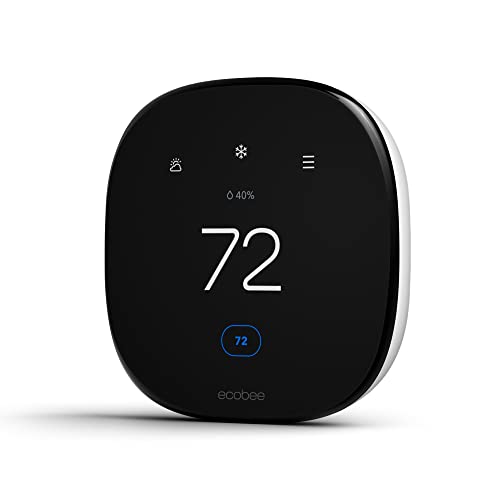
Looking to save on your energy bills while enjoying seamless control over your home’s temperature? The ecobee Smart Thermostat Enhanced is your solution. This Energy Star Certified device can save you up to 26% annually on heating and cooling costs. It learns your preferences, adjusting temperatures automatically when you’re away or asleep. With easy DIY installation and compatibility with 90% of systems, it fits right into your home. Plus, control it via your smartphone, tablet, or voice assistants like Alexa and Google Assistant. Optimize your energy use effortlessly with the ecobee Smart Thermostat Enhanced!
Best For: Homeowners looking to reduce energy costs and enhance temperature control through smart technology.
Pros:
- Energy Star Certified, saving up to 26% on heating and cooling costs.
- Easy DIY installation with compatibility for 90% of systems.
- Seamless integration with various smart home platforms and voice assistants.
Cons:
- Requires a Wi-Fi connection for full functionality.
- Optional SmartSensors sold separately can increase overall cost.
- Some users may find the initial setup process complex.
Kasa Smart Plug Mini with Energy Monitoring

For anyone seeking to streamline their energy usage and gain greater control over their devices, the Kasa Smart Plug Mini with Energy Monitoring (KP115) stands out as an ideal solution. This Wi-Fi outlet works seamlessly with Alexa and Google Assistant, letting you control your home electronics hands-free. You can manage devices remotely via the Kasa app, whether you’re at home or away. Its easy setup requires just a 2.4GHz Wi-Fi connection. With safety features like overheating protection and a fireproof shell, you can use it worry-free. Plus, a 2-year warranty guarantees peace of mind for over 5 million satisfied users.
Best For: Individuals looking to enhance their home automation experience and monitor energy usage effectively.
Pros:
- Voice Control: Easily integrates with Alexa and Google Assistant for hands-free operation.
- Remote Access: Control your devices from anywhere using the Kasa app on your smartphone.
- Safety Features: Equipped with overheating protection and a fireproof shell for added safety.
Cons:
- Wi-Fi Dependency: Requires a stable 2.4GHz Wi-Fi connection for functionality.
- Limited to 2.4GHz: Not compatible with 5GHz networks, which may restrict some users.
- Smartphone App Required: Functionality heavily relies on the Kasa app, which may not appeal to all users.
Factors to Consider When Choosing Smart Home Energy Management Systems
When choosing a smart home energy management system, you’ll want to contemplate several key factors. Monitoring capabilities, installation ease, and compatibility with your devices can make a big difference in your overall experience. Plus, energy management features and real-time reporting can help you optimize your energy usage effectively.
Monitoring Capabilities
Effective monitoring capabilities are vital for any smart home energy management system you choose. Look for systems that offer both whole home and circuit-level monitoring, giving you detailed insights into your energy usage across various appliances. Real-time reporting is essential, so you can receive immediate feedback on your consumption without relying on estimates. Advanced features like time-of-use and peak demand management can help you optimize energy usage and cut costs during high-demand periods. If you have solar power, make sure the system tracks both energy production and consumption for better efficiency. Finally, customizable notifications for abnormal energy patterns empower you to take action, enhancing your energy savings considerably. Choose wisely to maximize your energy management efforts.
Installation Ease
Installation ease plays an essential role in your choice of a smart home energy management system. Look for systems with clamp-on sensors that require little electrical expertise, allowing you to set them up quickly in your existing circuit panel. Choose solutions compatible with standard electrical panel sizes to avoid any modifications, making the setup process smoother. Detailed installation guides or tutorials can be invaluable, so opt for systems that provide these resources. Additionally, evaluate options that include all necessary components, like wiring harnesses and connectors, to simplify the installation experience. Finally, prioritize systems that connect via Wi-Fi for remote monitoring, as they generally involve less complex physical connections compared to wired alternatives.
Compatibility With Devices
Choosing a smart home energy management system requires careful consideration of compatibility with various devices. You’ll want to guarantee it works seamlessly with multiple smart home platforms, especially Matter-certified devices, for smooth integration across brands. Look for a system that can monitor both whole-home energy usage and individual circuits by supporting circuit-level sensors. This gives you detailed insights into your energy consumption. It’s also essential to check if the system supports voice control through popular virtual assistants like Alexa, Google Assistant, and Siri. Additionally, verify that it communicates effectively with your existing smart devices, like plugs and thermostats, and consider models with API support for advanced automation setups. This way, you’ll optimize your energy management effortlessly.
Energy Management Features
When selecting a smart home energy management system, you’ll want to focus on key energy management features that enhance your control over usage. Look for real-time monitoring capabilities to track power consumption and identify patterns, helping you make informed decisions for energy savings. Customizable electricity rate templates can optimize energy usage by managing costs during peak and off-peak hours. Advanced systems also send notifications for abnormal energy behavior, allowing you to address issues swiftly. Programmable scheduling enables automation of devices during off-peak times, maximizing efficiency. Finally, choose energy monitoring tools that visualize usage statistics in daily, weekly, or monthly formats, supporting better understanding and long-term planning for your energy consumption.
Real-Time Reporting
As you explore smart home energy management systems, real-time reporting stands out as an essential feature that enhances your energy oversight. This capability gives you up-to-the-minute information on your energy consumption, eliminating guesswork and assumptions. With real-time monitoring, you can quickly identify spikes in energy use, helping you address issues promptly and potentially cut costs. Accurate data empowers you to make informed decisions about your consumption habits and discover opportunities for savings. Many systems offer customizable alerts for unusual usage patterns, allowing you to manage your energy proactively. By providing detailed insights, real-time reporting assists you in optimizing your energy management strategies, leading to improved overall energy efficiency in your home.
User Interface
Real-time reporting offers valuable insights into your energy consumption, but accessing that information effectively depends on a user-friendly interface. An intuitive navigation system lets you quickly set schedules, manage devices, and receive alerts, making your experience seamless. Look for visual representations like graphs and charts; they’ll help you understand energy usage trends at a glance. Customizable settings are essential too, as they allow you to tailor notifications and energy management features to fit your unique needs. Finally, guarantee compatibility with multiple smart home platforms. This integration enhances usability, letting you control various devices and applications effortlessly. A well-designed user interface makes monitoring and optimizing your energy use much more effective.
Warranty and Support
Choosing the right smart home energy management system involves not just functionality but also solid warranty and support options. Start by checking the warranty length; many products offer one to three years, giving you peace of mind against defects. A good return policy, like a 30-day guarantee, lets you test the system risk-free. Customer support is essential, so make sure the manufacturer provides reliable channels for troubleshooting and installation help. Pay attention to warranty terms; some may exclude specific damages or misuse. Also, explore additional support resources, such as online manuals or community forums, which can enhance your experience and help you maximize the system’s potential. Proper warranty and support can make all the difference in your satisfaction.